US Strikes on Iran Escalate Regional Tensions, Impacting Strategic Strait and Security
Renewed US military actions against Iran and Tehran's closure of the Strait of Hormuz raise concerns over global energy and digital payment flows.
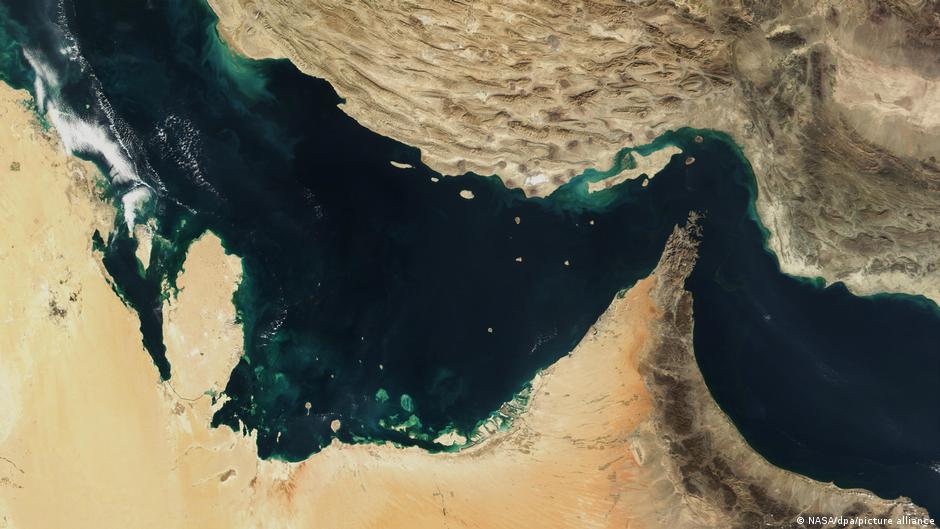
The United States military resumed airstrikes on targets in Iran on the evening of June 10, marking a significant escalation in the ongoing tensions between Washington and Tehran. According to the US Central Command (CENTCOM), these strikes were aimed at responding to what it described as "unjustified and ongoing aggression" by Iran.
The operation commenced at 5:15 PM Eastern Time and was publicly announced shortly after by President Donald Trump, with further warnings of additional strikes issued by US Secretary of Defense Pete Hegseth. The stated goal of these military actions is to avoid an all-out war while creating conditions favorable for future agreements.
Impact on Regional Security and Global Financial Flows
In retaliation, Iran launched attacks on American military bases located in the Persian Gulf region and Jordan, reportedly employing ballistic missiles. These escalations led to heightened alert statuses in countries such as Kuwait and Bahrain, where air defense systems were activated and air raid sirens sounded.
Most consequentially for global markets and the digital economy, Iran’s military announced a full closure of the Strait of Hormuz — a critical maritime chokepoint through which approximately 20% of the world's oil supply is transported. The Iranian command warned that any vessel attempting to transit the strait would be targeted, a stark indication of the heightened geopolitical risk.
Shortly after this announcement, Iranian state media reported that military forces fired upon two ships attempting to navigate the strait, indicating immediate enforcement of the closure. However, CENTCOM has contested claims of a complete blockade, stating that commercial vessels continue to traverse the Strait of Hormuz without interruption.
"The closure of the Strait of Hormuz represents a direct threat not only to energy security but also to the stability of global trade and digital payment systems dependent on uninterrupted supply chains," analysts note.
The closure of the Strait poses significant risks to the fintech and digital banking sectors as disruptions to oil and gas shipments can lead to increased volatility in energy prices, impacting market stability and investor confidence in tech stocks. Additionally, heightened regional instability raises concerns over cybersecurity vulnerabilities in critical infrastructure and payment platforms tied to energy sector operations.
Investors and financial institutions are closely monitoring the situation, as any protracted disruption could ripple through global supply chains, affecting the liquidity and transaction flows essential to digital economies. Furthermore, heightened cybersecurity threats in conflict zones may incentivize accelerated deployment of more robust security protocols for digital payment platforms.
As tensions continue to escalate, the interplay between geopolitical conflict and the digital economy becomes increasingly apparent, underscoring the need for resilience in fintech infrastructures amidst global security challenges.