US-Israel Tensions Rise as Trump Condemns Netanyahu Over Lebanon Strikes
Trump sharply criticizes Netanyahu for military actions in Lebanon, highlighting risks for regional stability and potential impact on US diplomatic efforts.
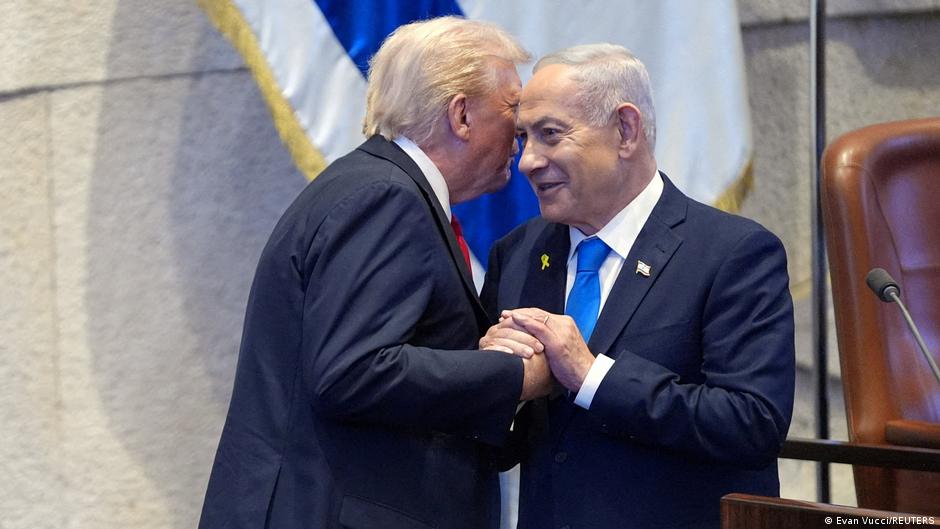
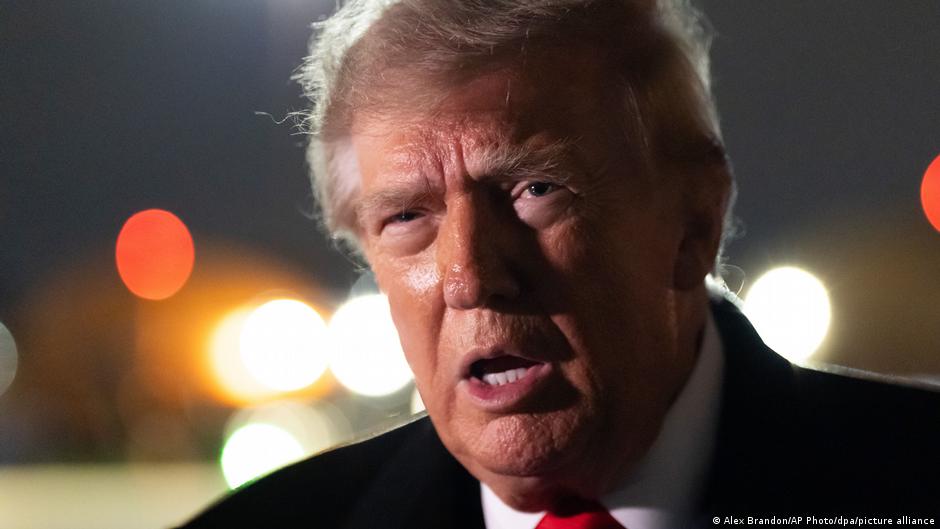
Former US President Donald Trump delivered a harsh rebuke to Israeli Prime Minister Benjamin Netanyahu following the Israeli Defense Forces' strikes on Beirut. According to reports, Trump labeled Netanyahu "crazy" during a phone call, expressing displeasure over the breakdown of a tenuous ceasefire in the Middle East.
Trump's sharp criticism underscores growing tensions in the region amid escalating military operations between Israel and militant groups in Lebanon, particularly Hezbollah, which is supported by Iran. The conflict has raised concerns not only about regional security but also about the broader geopolitical implications affecting US-led diplomatic negotiations.
Diplomatic Fallout and Regional Stability
On June 1, Netanyahu ordered strikes targeting southern suburbs of Beirut, citing the need to respond to heightened conflict with Hezbollah. The Israeli leader also expanded ground operations in Lebanon following rocket attacks on northern Israeli territories by Hezbollah forces. These military moves have resulted in civilian casualties and widespread destruction, prompting criticism from international observers and US officials.
"Because of the strikes on Lebanon, Netanyahu is ‘hated by everyone’—a situation that could isolate Israel further on the global stage," Trump reportedly stated during the call.
Sources close to the US administration revealed that Trump expressed concern about the toll on Lebanese civilians, including damage to residential areas targeted in efforts to eliminate Hezbollah commanders. The strikes have also complicated ongoing indirect negotiations between the US and Iran, mediated through third parties, which Iran suspended citing the deteriorating situation in Lebanon as a violation of ceasefire conditions.
Despite Iran's announcement to halt talks, Trump denied any cessation of negotiations, emphasizing that discussions continue at a rapid pace. Through his social media platform, Truth Social, he claimed to have brokered agreements between Israel and Lebanon to cease mutual attacks, aiming to preserve diplomatic momentum.
Implications for Fintech and the Digital Economy
While the conflict primarily involves geopolitical and military dimensions, the instability in the Middle East poses significant risks to global economic sectors, including fintech and digital markets. The region's volatility can affect payment systems, disrupt cross-border transactions, and impact the cybersecurity landscape, particularly given Iran's increasing engagement in cyber operations.
Moreover, heightened tensions influence investor sentiment toward technology stocks linked to defense and cybersecurity, as well as cryptocurrencies that often react to geopolitical uncertainty. Financial institutions and digital banking platforms may face increased scrutiny and regulatory pressures as governments tighten controls to prevent illicit financial flows tied to conflict zones.
Experts warn that prolonged instability could hamper regional fintech innovation and disrupt digital infrastructure investments, underscoring the need for robust risk management strategies in emerging markets affected by conflict.
As the situation develops, monitoring the intersection of geopolitical events and the digital economy remains critical for stakeholders aiming to navigate the complex global landscape shaped by these crises.