US Military Strikes Gambian-Flagged Vessel in Strait of Hormuz Amid Iran Blockade Enforcement
US forces disable a ship heading to Iran after repeated warnings, reflecting ongoing tensions impacting regional maritime security and digital trade routes.
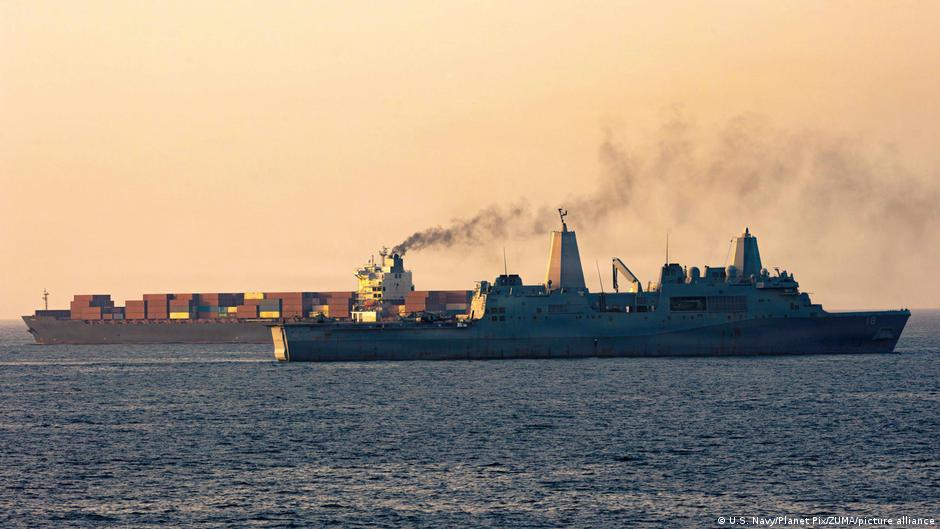
The US military has struck a Gambian-flagged vessel, the Lian Star, in the Strait of Hormuz, following more than 20 warnings to the ship’s crew as it continued towards an Iranian port through international waters. The incident occurred in the strategic Gulf waters known as the Oman Sea, highlighting the ongoing enforcement of a US blockade on vessels linked to Iran.
Impact on Regional Trade and Digital Economy
The United States Central Command (CENTCOM) announced that the US jet fired a Hellfire missile at the ship’s engine room after the crew failed to comply with US demands to alter its course. As a result, the vessel was disabled and ceased its journey to Iran. CENTCOM noted that since April, when a ceasefire and blockade enforcement began in the Strait of Hormuz, US forces have disabled five commercial vessels and redirected 116 others.
"American forces issued over 20 warnings before taking decisive action to enforce maritime blockade compliance," said CENTCOM representatives.
This aggressive maritime enforcement reflects heightened tensions between Washington and Tehran, with reciprocal blockades imposed by Iranian authorities on vessels associated with the United States. The Strait of Hormuz is a critical conduit for global oil shipments and increasingly important for digital trade logistics, making such incidents significant for the regional fintech and shipping sectors.
Just hours prior to the strike, an Iranian missile attack targeted the Ali Al Salem US airbase in Kuwait, injuring five personnel and damaging two $30 million MQ-9 Reaper drones. The escalation underscores persistent security challenges that may impact digital banking and payment channels reliant on stable trade environments.
Negotiations and Economic Implications
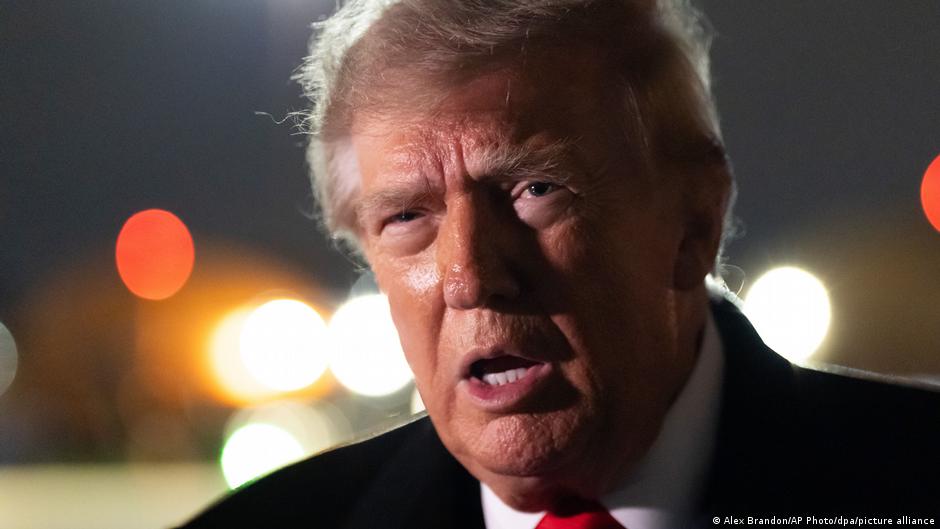
Despite preliminary framework agreements reported between US and Iranian negotiators to resolve ongoing conflicts, US President Donald Trump has withheld approval pending Iran’s compliance with key demands, notably the cessation of nuclear weapons development. Tehran maintains that no final agreement has been reached.
These geopolitical dynamics have broad implications for fintech and digital economies in the region. Maritime security directly affects the movement of goods, which in turn influences digital payment systems, supply chain financing, and regional tech stock markets. Persistent instability may increase cybersecurity risks, disrupt digital banking services, and complicate cross-border crypto transactions tied to trade.
As regional powers continue to assert control over critical waterways, fintech companies and investors should monitor these developments closely to anticipate potential disruptions in digital financial services and technology investments linked to Middle Eastern markets.