Qatar Denies Detaining Iranian Pilots Amid Middle East Conflict Tensions
Qatar denies holding Iranian pilots after airspace violation amid Middle East conflict, emphasizing adherence to international law and ongoing diplomatic efforts.

Qatar denies holding Iranian pilots after airspace violation amid Middle East conflict, emphasizing adherence to international law and ongoing diplomatic efforts.

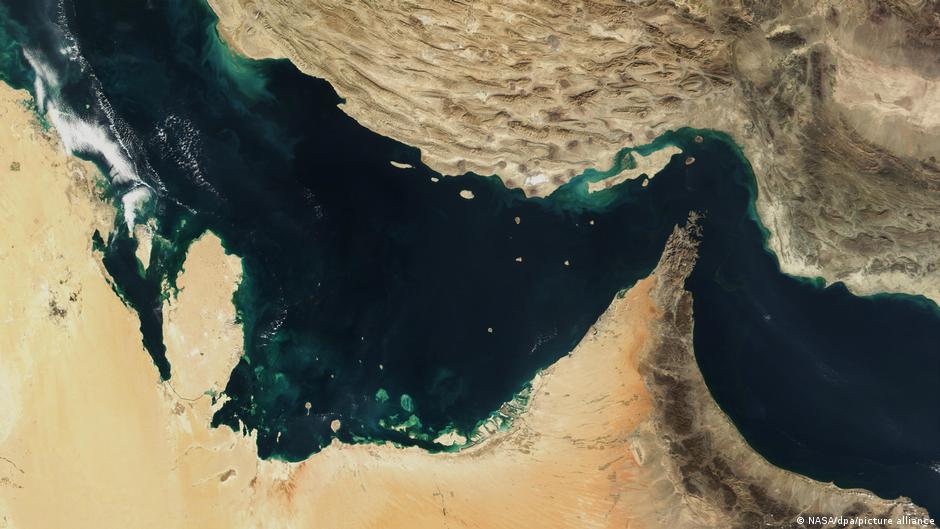
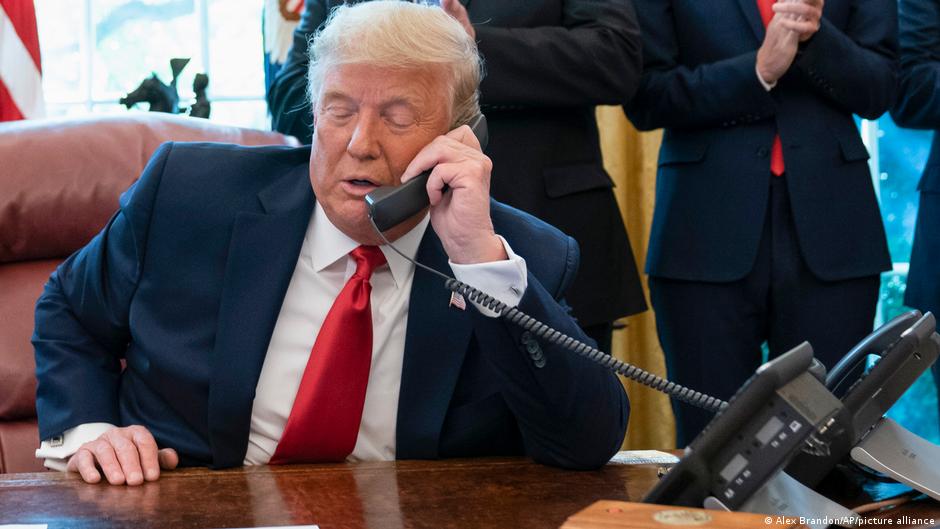
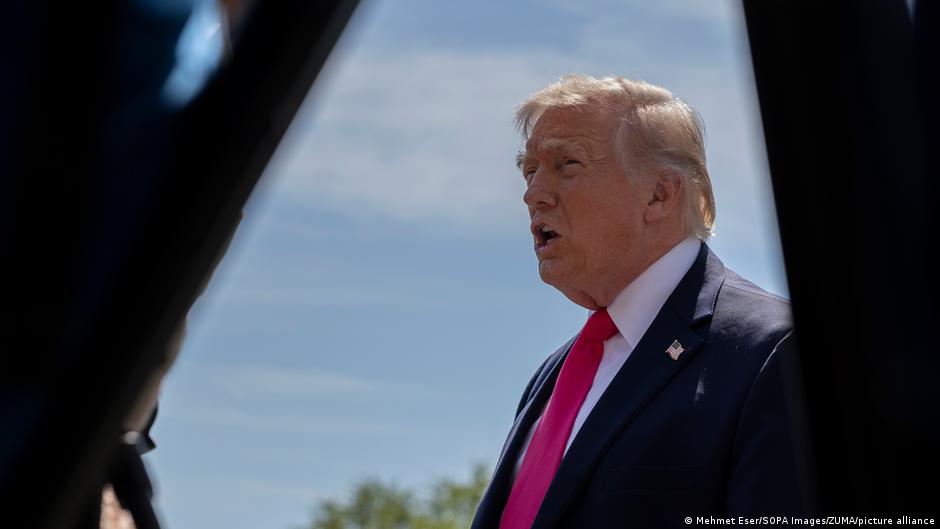
President Trump plans to declare the Strait of Hormuz U.S. territory, affecting global energy security and digital financial markets amid ongoing U.S.-Iran tensions.

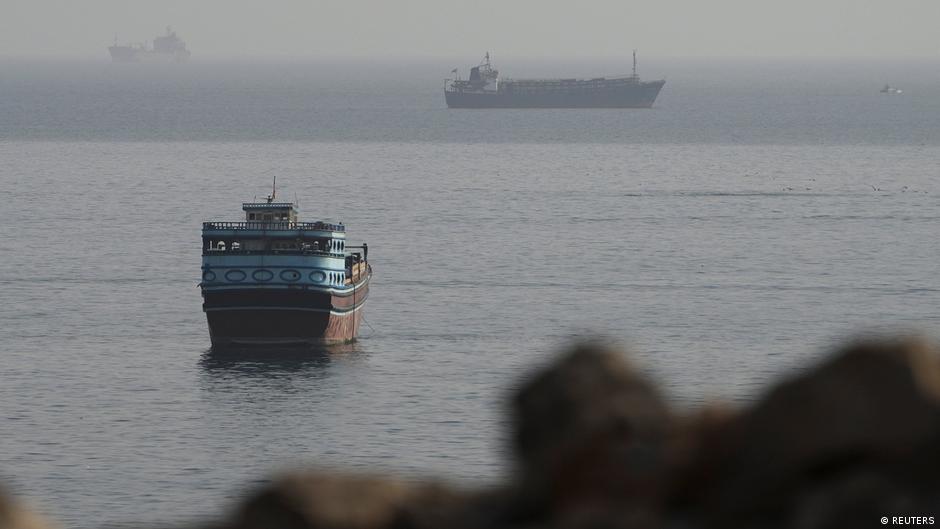
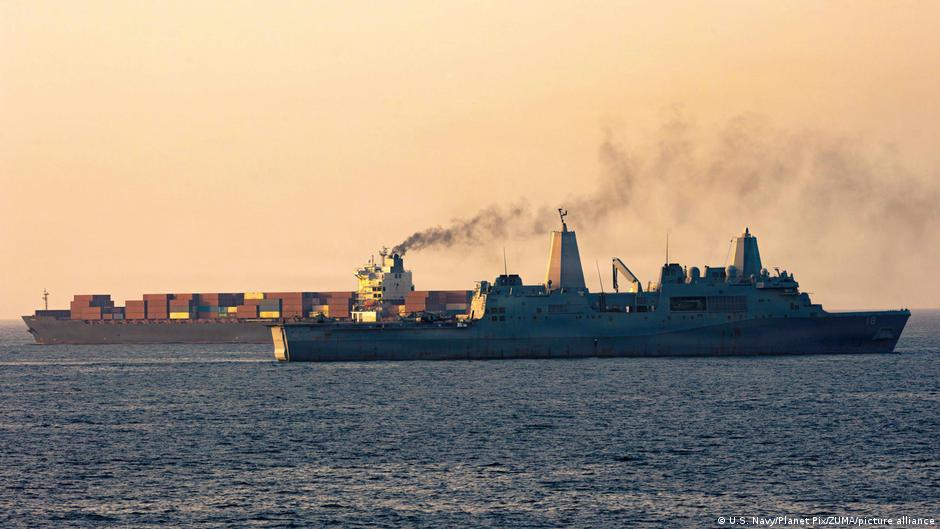
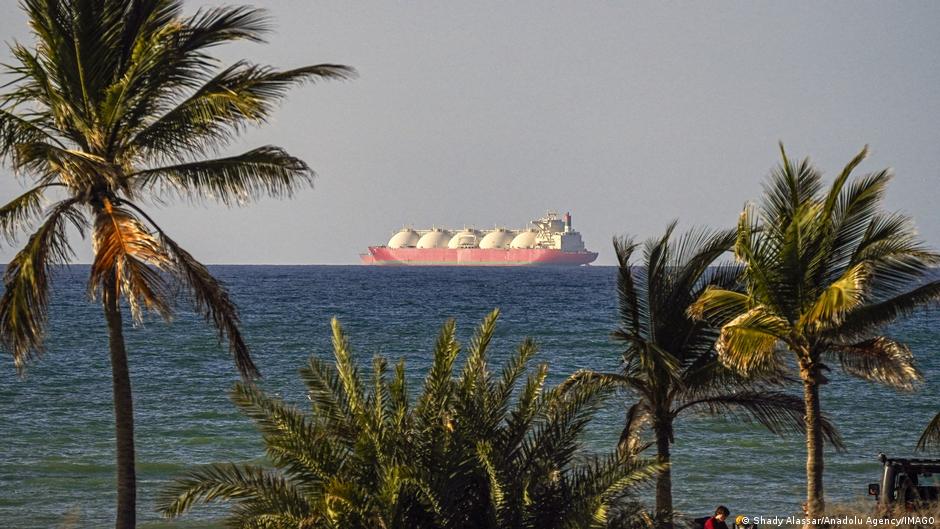
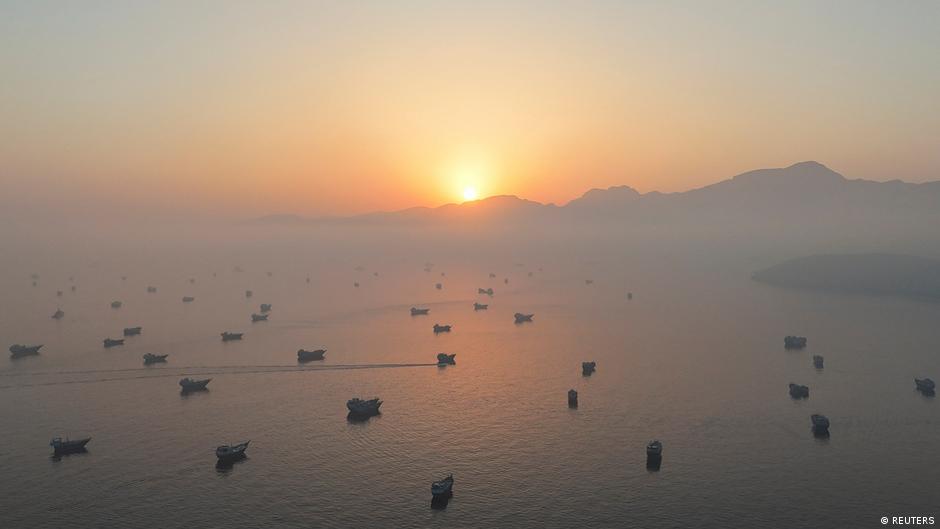
US forces disabled a cargo ship's steering attempting to breach Iran's blockade in the Strait of Hormuz, underscoring US control and geopolitical risks impacting global fintech and trade.

Iran’s Revolutionary Guard mined and attacked an oil tanker in the Strait of Hormuz, impacting global energy trade and digital financial networks connected to maritime oil shipments.

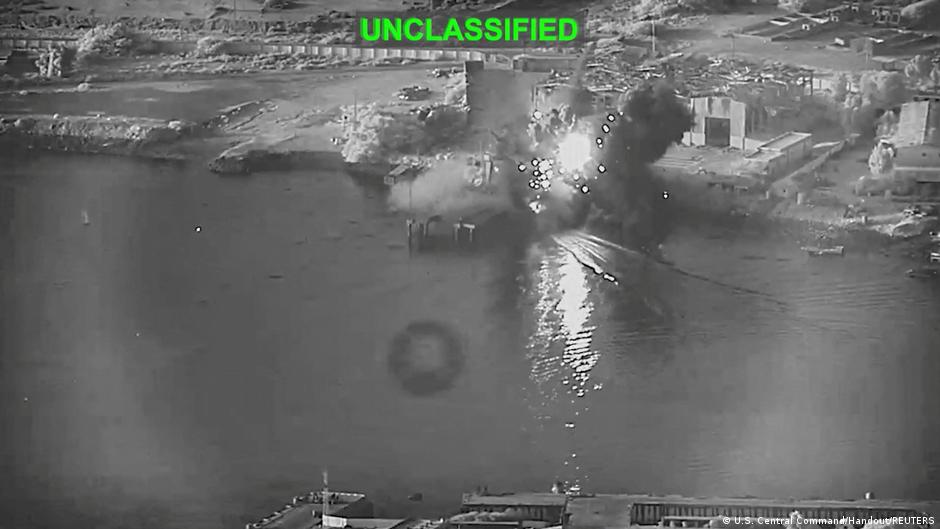
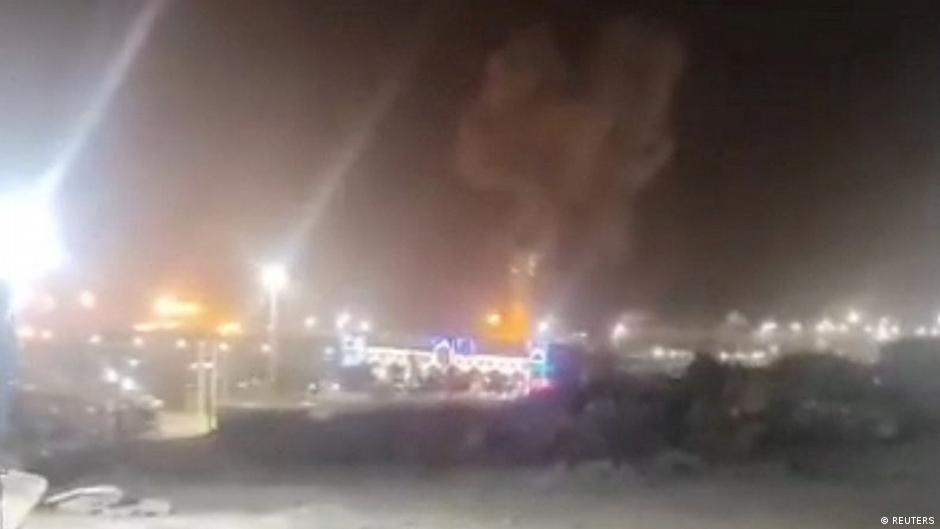
The US military intensified strikes on Iranian infrastructure, targeting bridges, airports, and energy sites, escalating regional tensions with implications for fintech and digital economy stability.

US military strikes on Iran escalate tensions, impacting maritime security, digital payments, and fintech sectors amid enforced maritime blockades and retaliatory attacks.

The US is advancing plans to restore an Iraq-Syria oil pipeline bypassing the Strait of Hormuz, aiming to reduce Iran's influence and reshape regional energy routes.

Cuba's nationwide blackout amid U.S. fuel sanctions intensifies energy crisis, complicating economic reforms and threatening digital economy and fintech development.

Poland deported 11 individuals linked to Russia-funded protests aimed at influencing Ukrainian refugee communities, highlighting risks in digital payment systems used in geopolitical campaigns.

Russia’s maritime oil exports hit a record high since early 2026 amid US sanctions easing for Iran, pressuring global prices and intensifying competition on markets like India.
The US may impose fees on ships passing through the Strait of Hormuz amid Iran deal uncertainty, affecting energy trade and digital payment systems in a key maritime corridor.

The US has lifted its naval blockade of the Strait of Hormuz, enabling record oil shipments and initiating a 60-day negotiation period with Iran to finalize a peace deal.

Pakistan announces the Strait of Hormuz will reopen immediately following a US-Iran peace deal, signaling shifts in global trade and fintech opportunities.

Reports claim UAE will unfreeze billions in Iranian oil funds to reduce regional attacks, though the UAE denies this; diplomatic talks suggest nearing peace.

Trump cancels planned US strikes on Iran amid diplomatic progress, impacting energy flows, cybersecurity risks, and fintech markets in the Middle East.

US strikes on Iran triggered Tehran's closure of the Strait of Hormuz, threatening global energy flows and digital payment systems amid escalating regional conflict.

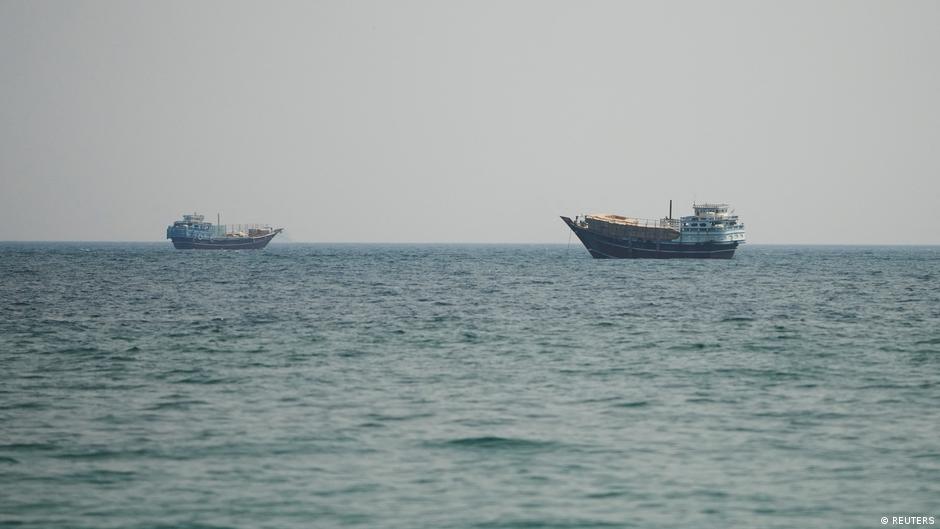
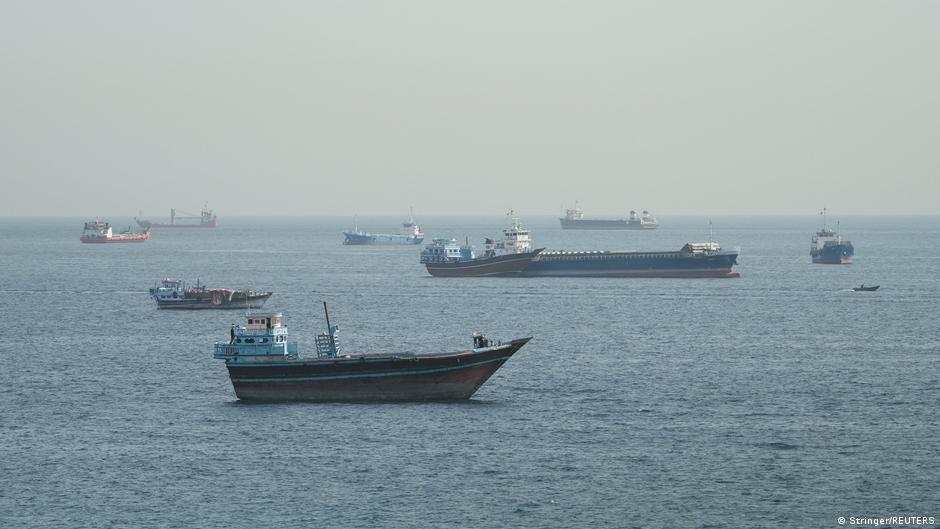
The US has clandestinely assisted about 70 commercial vessels through Iran-blocked Strait of Hormuz, impacting maritime security and digital tracking systems amid ongoing tensions.

The US disabled a Gambian-flagged vessel heading to Iran after repeated warnings amid ongoing blockade enforcement in the Strait of Hormuz, affecting regional trade and digital finance.

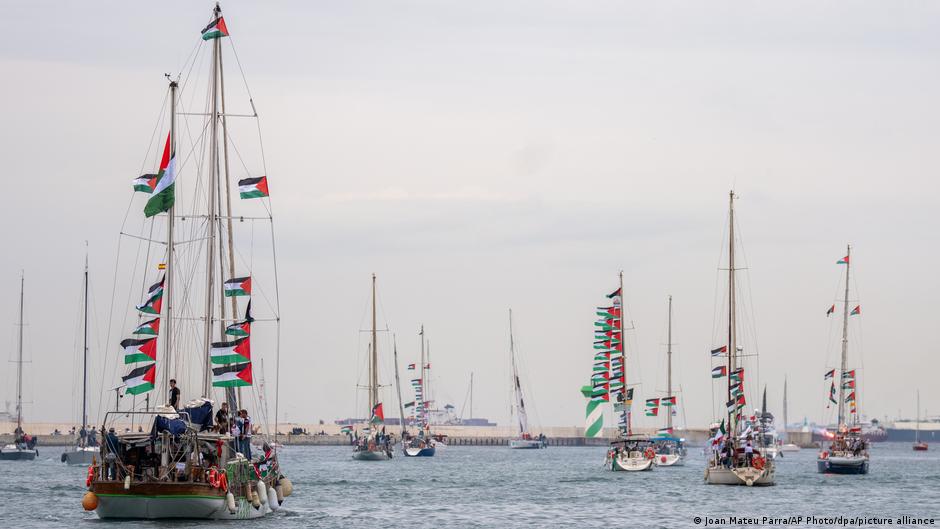
EU and US condemn Israeli minister's video humiliating detained Gaza flotilla activists, raising ethical and diplomatic concerns over digital media use in conflict.

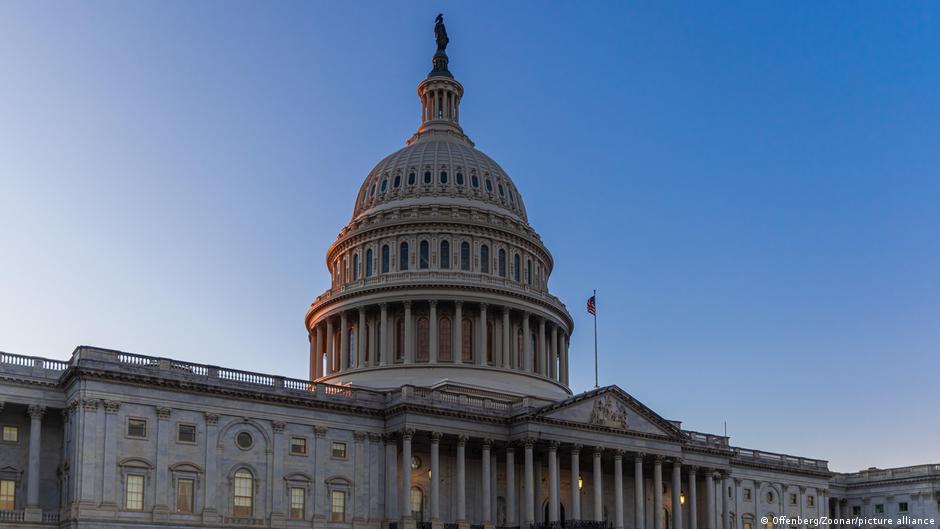
The US Senate advanced a resolution requiring President Trump to seek Congressional approval for military action against Iran, impacting geopolitical stability and fintech sectors.

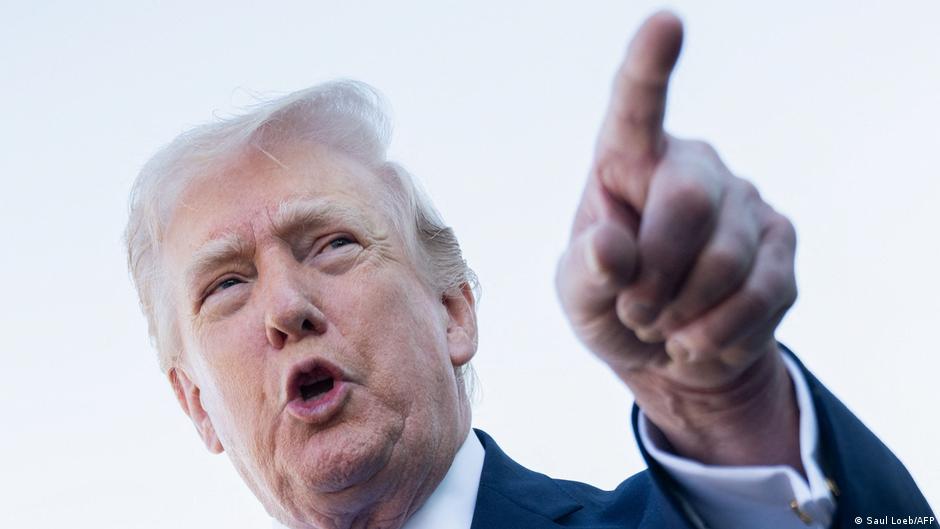
Donald Trump postponed a planned May 19 military strike on Iran after Gulf leaders intervened, as serious negotiations aim to prevent conflict and impact fintech sectors.

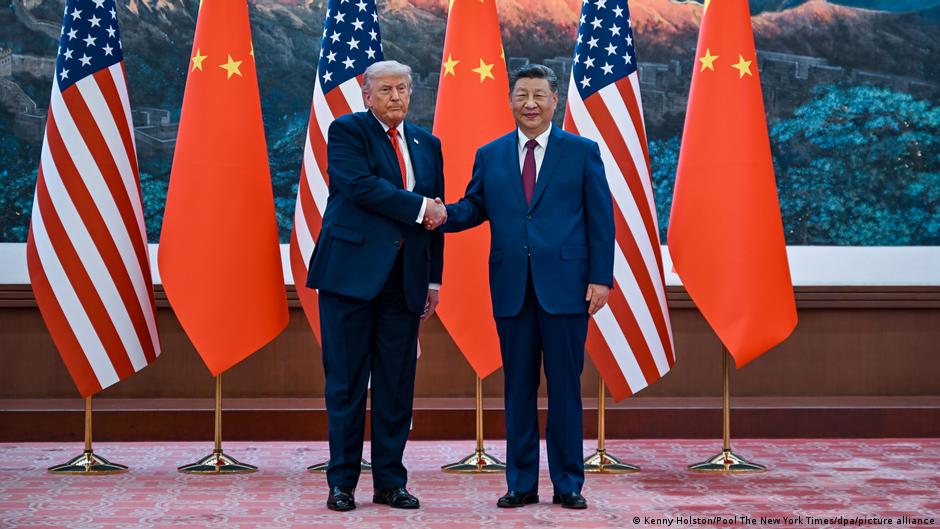
Trump's Beijing visit with Xi Jinping focuses on trade, energy security, and tech cooperation, influencing global fintech and digital economy sectors.

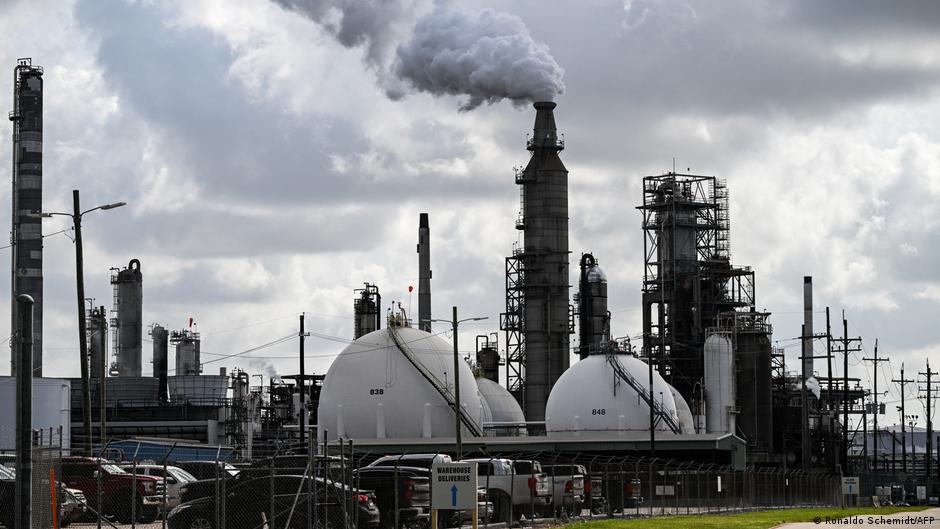
Global oil stocks fell by a record 200 million barrels in April amid Middle East conflict, tightening supplies and raising energy market volatility with broad fintech sector implications.

Renewed Iranian missile and drone strikes on the UAE threaten regional security, trade routes, and the stability of the Gulf's burgeoning fintech and digital economy sectors.

Iran has submitted a 14-point peace plan to the US demanding sanctions relief and naval guarantees, with significant implications for fintech, digital payments, and regional stability.

Italy and Germany call for adherence to international law after Israel intercepts a humanitarian flotilla bound for Gaza, highlighting challenges in aid delivery and digital economy impacts.

Israel detains humanitarian aid ships to Gaza, revealing digital communication disruptions and prompting fintech and cybersecurity concerns amid maritime blockades.

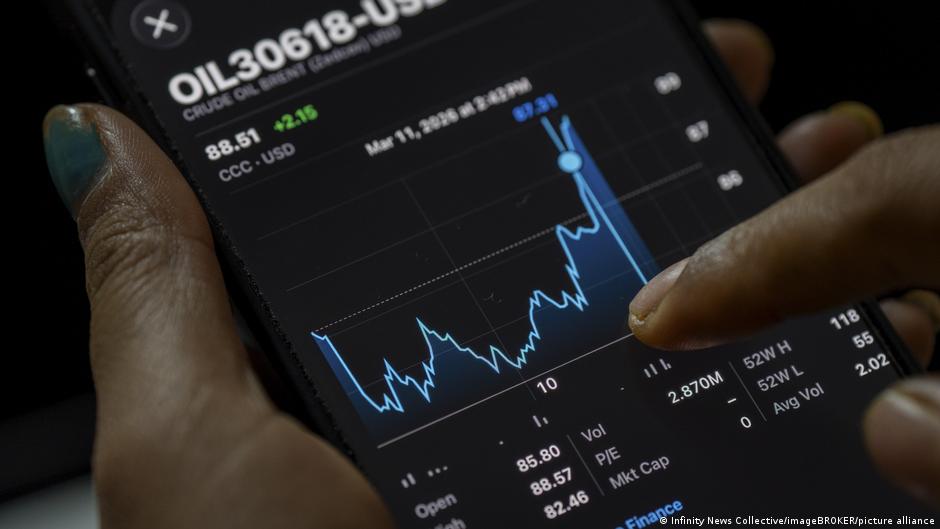
US-Iran tensions cause Brent oil prices to surge over $119, impacting fintech, digital banking, and tech stocks through increased volatility and inflation risks.

The US stops sending negotiators to Pakistan for talks with Iran, shifting to secure digital communications amid ongoing ceasefire discussions in the Middle East.

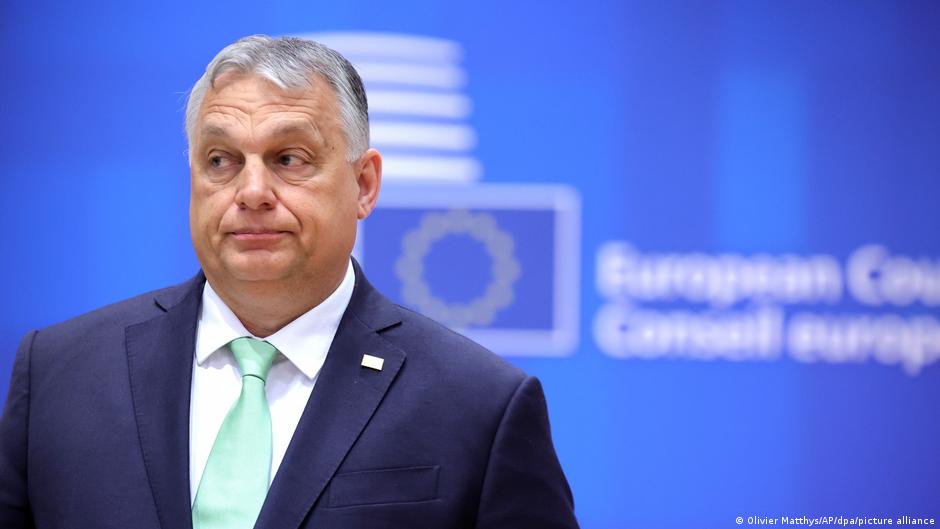
Outgoing Hungarian PM Viktor Orban declines parliamentary mandate amid leadership changes and new government plans to reverse key policies affecting EU relations and digital economy prospects.

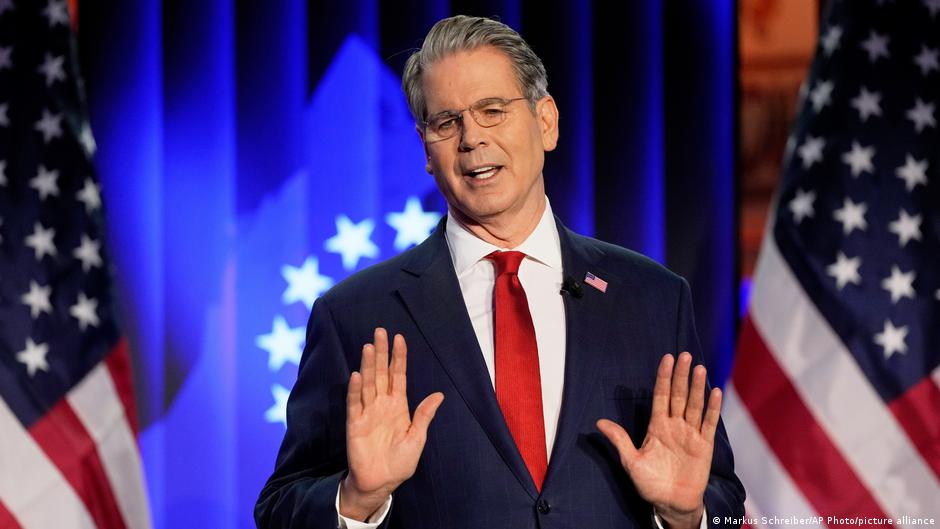
US Treasury Secretary Scott Bessent confirms no further extensions for sanctions exemptions on Russian and Iranian oil shipments already at sea.

US forces seized an Iranian cargo ship in the Gulf of Oman, escalating tensions and impacting regional fintech, digital payments, and cybersecurity amid ongoing maritime conflicts.

Trump rejects NATO help securing Strait of Hormuz, calling alliance ineffective. European nations lead peaceful mission to protect vital shipping lanes amid Middle East tensions.