US Halts Pakistan-Based Negotiations with Iran Amid Strategic Communication Shift
President Trump ends deployment of US negotiators to Pakistan, emphasizing secure digital communication channels amid ongoing Middle East ceasefire talks.
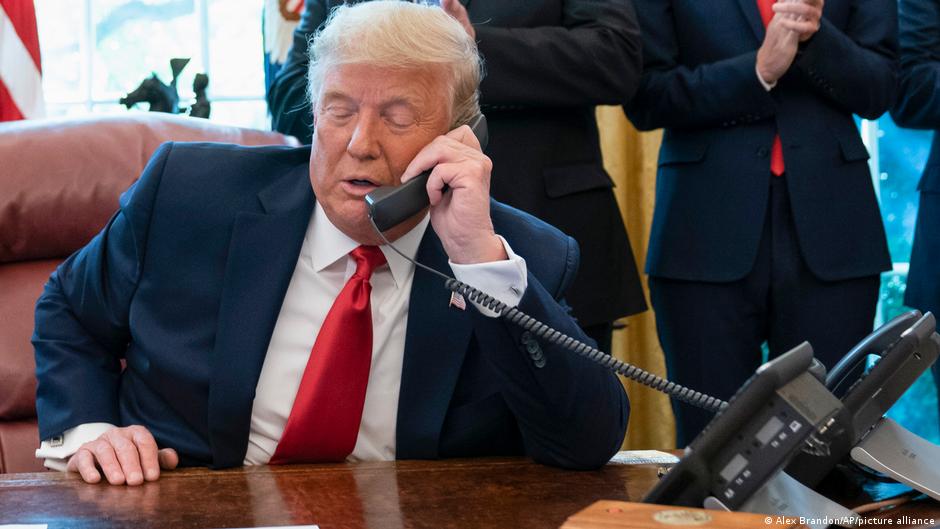
The United States has ceased sending negotiators to Pakistan to engage with Iran on ending hostilities, according to President Donald Trump. In a recent interview, Trump highlighted the strategic advantage held by the US and emphasized reliance on secure telecommunication as a more efficient alternative to in-person talks.
Shift to Digital Diplomacy and its Impact on Negotiation Dynamics
During an interview on the Fox News program The Sunday Briefing, Trump explained that US officials will no longer undertake the long 18-hour journey to Pakistan for discussions with Iran. Instead, he stated that if Iran wishes to engage in talks, they can do so via phone, using secure lines maintained by the US. While acknowledging the challenges in ensuring absolute cybersecurity, Trump expressed confidence in the protection of these communication channels.
"We have good, protected lines of communication, although honestly, I am not sure any phone line can be completely secure," Trump noted, underscoring the growing importance of cybersecurity in high-stakes diplomacy.
This pivot away from traditional, physical diplomatic meetings towards digital engagement reflects broader trends within the global fintech and digital economy sectors, where secure communication platforms and encrypted channels play an increasingly vital role in facilitating international relations and negotiations.
Trump also criticized the inefficiencies inherent in the current negotiation framework, citing the prolonged travel times and internal disorganization among Iranian leadership as reasons for discontinuing in-person talks. According to Trump, the US holds all leverage in the conflict and sees no need for physical presence in Pakistan at this stage.
Earlier, the planned deployment of US negotiators Stephen Witkoff and Jared Kushner to Islamabad was canceled. The negotiations initially scheduled for late April in Pakistan were postponed as a result.
Meanwhile, Iranian Foreign Minister Abbas Araqchi, who leads the country's delegation, departed Pakistan after outlining Iran's position on realistic terms for ending the conflict. Araqchi emphasized the need to observe whether the US would demonstrate genuine commitment to diplomacy.
The first direct US-Iran talks took place in Islamabad on April 11, days after a ceasefire was reached. However, these discussions failed to produce substantial progress. Subsequently, Trump announced the blockade of the Strait of Hormuz, a strategic chokepoint critical to global energy markets. Iran accused the US of violating the ceasefire conditions.
Tensions remain high over Iran's nuclear program. Tehran insists that lifting the US blockade on its ports is a prerequisite for advancing negotiations. Conversely, Trump demands that Iran relinquish its right to restart its nuclear activities, which the US and Israel cite as the primary justification for their conflict with Tehran.
Despite these tensions, a temporary pause in hostilities continues in the Middle East, initially set for two weeks. Shortly before the ceasefire was due to expire, Trump announced an extension "until negotiations conclude one way or another," attributing the decision to an Iranian request.
This development highlights the increasing role of digital technology and cybersecurity protocols in modern diplomatic efforts, particularly in regions where conventional negotiations face logistical and political obstacles. The reliance on encrypted communications in lieu of physical meetings signals a shift that could influence future international negotiations and impact geopolitical risk assessments relevant to fintech, digital banking, and tech stock markets sensitive to Middle East stability.