Global Oil Reserves Plunge at Record Pace Amid Middle East Conflict Impacting Energy Markets
April saw a historic 200 million barrel drop in global oil stocks despite falling demand, heightening market volatility and risks to energy security.
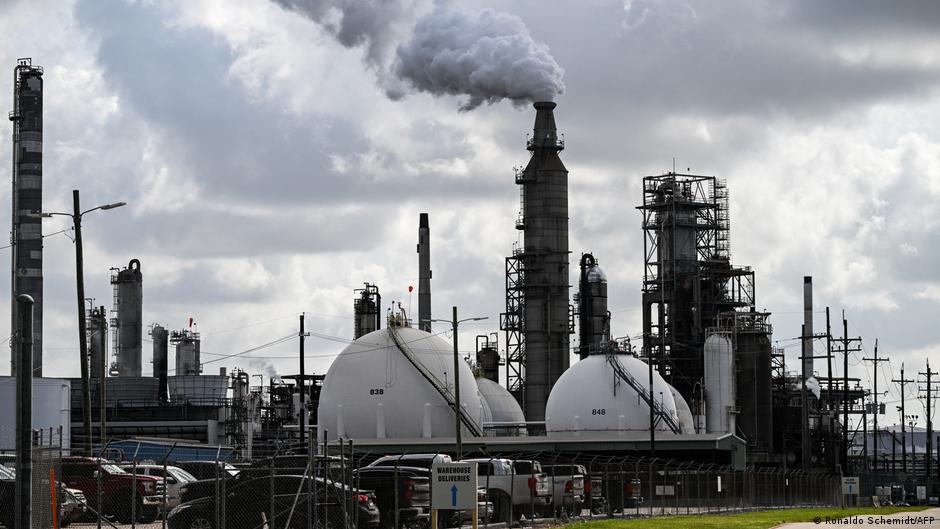
Global oil inventories shrank by an unprecedented 200 million barrels in April, reflecting severe supply disruptions amid escalating geopolitical tensions in the Middle East. This contraction occurred even as demand softened due to soaring energy prices fueled by the ongoing conflict involving the United States, Israel, and Iran.
Record Inventory Draw Despite Demand Decline
According to energy analysts from S&P Global Energy and Goldman Sachs, April's inventory reduction equates to about 6.6 million barrels per day, marking one of the fastest decline rates in recent history. Notably, this drawdown happened despite a significant 5 million barrel per day drop in global oil consumption—the second-largest retreat ever recorded after the coronavirus pandemic's onset.
"These are massive scales that greatly exceed the typical range," said Jim Burkhard, head of oil market research at S&P Global Energy. "The market has yet to fully react to the record inventory depletion, indicating that further price increases are likely ahead."
Goldman Sachs concurs with the assessment, highlighting that global oil stocks are approaching their lowest levels in eight years. In Northern Europe, aviation fuel reserves plunged to a six-year low during the same period, signaling tightening constraints across key energy products.
Geopolitical Risks Compound Market Pressures
The sharp inventory reduction is largely driven by supply disruptions linked to the U.S. and Israeli military actions against Iran and the resulting blockade of the Strait of Hormuz—a strategic chokepoint through which a significant portion of world oil passes. Analysts estimate that approximately one billion barrels of oil have been withheld from markets due to these conflict-related interruptions.
This supply shortfall is now pushing inventories toward critical levels that may trigger acute shortages within weeks, according to traders cited by leading financial publications. The knock-on effects are expected to ripple through energy-dependent sectors, including transportation and industrial manufacturing.
Despite Asia bearing the brunt of immediate impacts, U.S. gasoline stocks are also poised to reach historic lows as the summer travel season approaches, potentially disrupting domestic fuel availability and pricing.
Implications for Digital Economy and Fintech Sectors
The volatility in oil markets amid geopolitical unrest has profound implications beyond traditional energy sectors. Fintech companies, digital banking platforms, and crypto markets could experience increased transactional volatility linked to fluctuating fuel costs and economic uncertainty. Similarly, cybersecurity risks may intensify as nation-states and malicious actors exploit digital infrastructures amid heightened tensions.
Investors in energy tech stocks and related digital payment services should prepare for heightened market sensitivity as oil price dynamics evolve. The intersection of physical supply constraints and digital financial markets underscores the growing complexity of managing risk in the global digital economy.
In summary, the record-breaking depletion of oil reserves during April signals a critical juncture for global energy security and economic stability. The ongoing Middle East conflict and its ripple effects on supply chains, demand patterns, and financial markets demand vigilant monitoring and adaptive strategies from stakeholders across industries.