US Approves $374M Sale of Precision Bomb Kits to Ukraine Amid Electronic Warfare Challenges
The US State Department authorizes potential sale of JDAM-ER kits to enhance Ukraine’s airstrike accuracy despite operational setbacks.
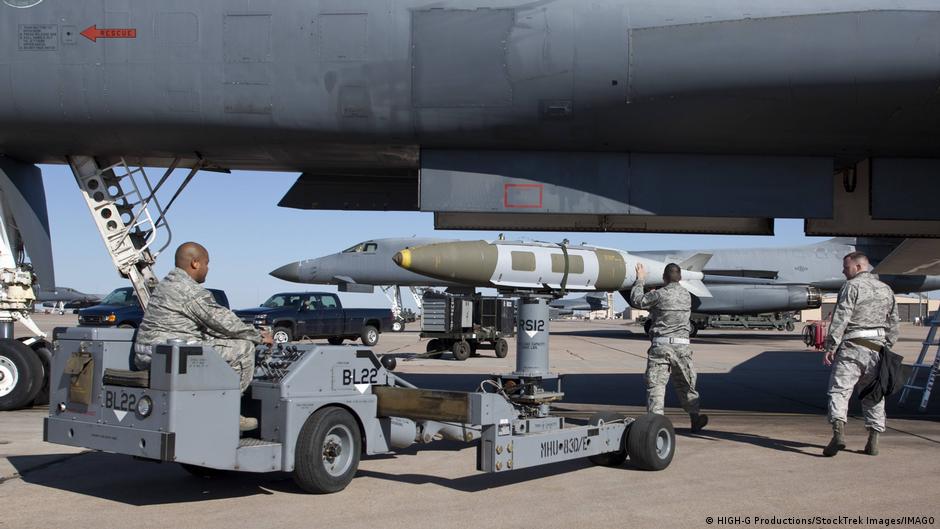
The US State Department has approved a potential sale of Joint Direct Attack Munitions - Extended Range (JDAM-ER) kits to Ukraine worth $373.6 million. These aerodynamic tail kits are designed to increase the range and precision of air-dropped bombs by 70 to 80 kilometers, enhancing Ukraine's aerial strike capabilities.
Ukraine has requested 1,532 JDAM-ER kits, which will be accompanied by maintenance equipment, spare parts, software, repair and logistical support services. Boeing is slated to be the primary contractor responsible for fulfilling the order.
Implications for Defense Technology and Supply Chains
While the State Department’s approval signals the US government's willingness to support Ukraine’s military needs, it does not guarantee immediate delivery. The authorization represents a preliminary step allowing foreign military sales, which must then be followed by contract finalization, production, and shipment.
The initial delivery of JDAM-ER kits to Ukraine occurred in 2023 under a larger $1.85 billion aid package approved in response to Russia’s full-scale invasion. However, operational challenges have surfaced. Reports indicate some kits malfunctioned in spring 2023, potentially due to improperly installed detonators. Furthermore, Russian electronic warfare (EW) systems have reportedly targeted the GPS signals that guide the JDAM-ER bombs, complicating their effective use on the battlefield.
"Russian electronic warfare frequently disrupts GPS guidance, undermining the precision advantage of JDAM-ER munitions."
These developments underscore the increasing importance of resilient digital infrastructure and cybersecurity measures in modern warfare. The GPS-dependent guidance systems highlight vulnerabilities that can be exploited through cyber and electronic attacks, suggesting that future defense technology must incorporate stronger anti-jamming and signal protection capabilities.
For the fintech and digital economy sectors, these dynamics emphasize the growing intersection of defense technology and digital security. The reliance on integrated software, real-time data links, and encrypted communications in precision weaponry mirrors trends in digital banking and crypto platforms, where cybersecurity and system integrity are critical.
As the US continues to engage in foreign military sales involving advanced digital technologies, the shipping and maintenance logistics raise questions about supply chain security and operational reliability amid contested environments. Broader implications for tech stocks tied to aerospace, defense electronics, and cybersecurity firms are also noteworthy as demand for sophisticated electronic warfare countermeasures and secure communication technologies rises.