Iran’s Missile and Drone Strikes on UAE Raise Regional Security and Economic Risks
Iran’s renewed attacks on UAE escalate tensions, threatening regional trade routes and digital economic stability.
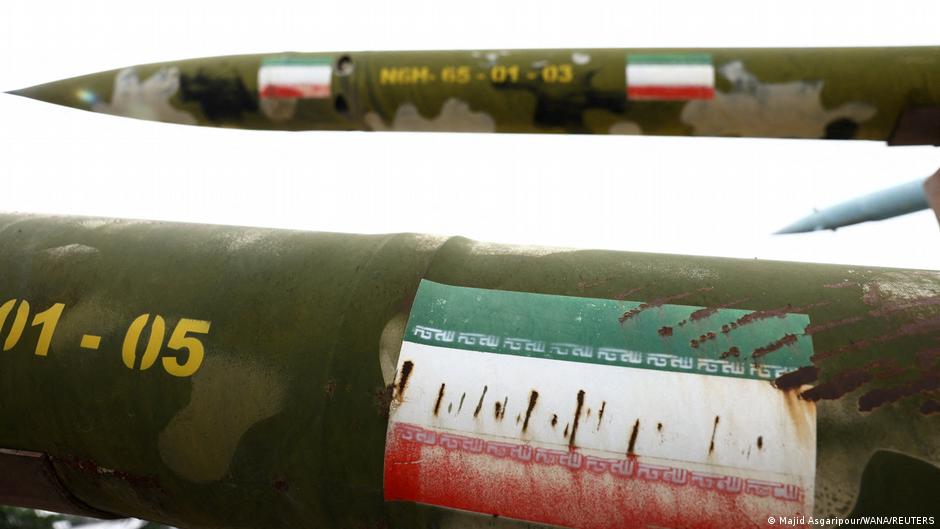
The United Arab Emirates (UAE) has reported renewed missile and drone attacks launched by Iran, marking the first such offensive since a ceasefire agreement was reached between the United States and Iran a month ago. This escalation poses significant risks to regional security and the stability of critical energy and trade infrastructure, with potential repercussions for fintech, digital banking, and cybersecurity in the Gulf region.
Details of the Attacks and Regional Response
On May 4, UAE air defense intercepted 19 projectiles, including 12 ballistic missiles, 3 cruise missiles, and 4 drones, all launched from Iranian territory. The attacks targeted the oil industry complex near Fujairah, causing a fire and injuring three Indian nationals who were hospitalized. In response, schools across the UAE switched to online learning from May 5 to May 8 as a precautionary measure.
"The UAE Ministry of Foreign Affairs called the attack a ‘dangerous escalation’ and asserted the country's full and legal right to respond to these hostilities."
Iranian state media quoted a senior military official denying prior plans to attack the UAE. Meanwhile, Oman reported a separate drone strike near its border with the UAE, injuring two foreign workers and damaging residential property.
The escalation threatens the strategic Strait of Hormuz, a vital artery for global oil shipments and maritime trade. Recent incidents included an attack on a South Korean vessel in the strait, prompting U.S. military actions that destroyed seven Iranian boats. The U.S. also announced Operation Project Freedom to escort ships through the strait, a move Iran warned could violate the ceasefire.
German Chancellor Friedrich Merz condemned Iran’s attacks, emphasizing the need for Tehran to return to diplomatic negotiations and halt regional provocations. He stressed that the blockade of the Strait of Hormuz must end to ensure uninterrupted global energy flows and economic stability.
Implications for Fintech and Digital Economy
The Gulf region, including the UAE, is a burgeoning hub for fintech innovation, digital banking, and cryptocurrency activities. Stability is essential for maintaining investor confidence, secure digital payment systems, and uninterrupted cross-border transactions.
Physical attacks on critical infrastructure like oil complexes and transport routes risk destabilizing energy supplies and elevating market volatility, potentially affecting tech stocks and financial services. Furthermore, escalations increase cybersecurity risks as state and non-state actors may exploit tensions to launch cyberattacks targeting financial institutions and digital platforms.
The UAE’s swift transition to online education in response to physical threats also underscores the growing reliance on digital infrastructure. Ensuring resilient, secure digital networks is paramount to mitigating disruption caused by geopolitical crises.
As tensions persist, stakeholders in the digital economy are closely monitoring developments. The region’s ability to sustain fintech growth and digital innovation could hinge on diplomatic efforts that reduce conflict and secure critical trade and energy corridors.