Germany to Transfer Gas-Fired Power Plant from Nord Stream Pipeline Site to Ukraine
The German company Sefe will donate a gas-fired power plant used for Nord Stream operations to Ukraine as humanitarian aid on a self-pickup basis.
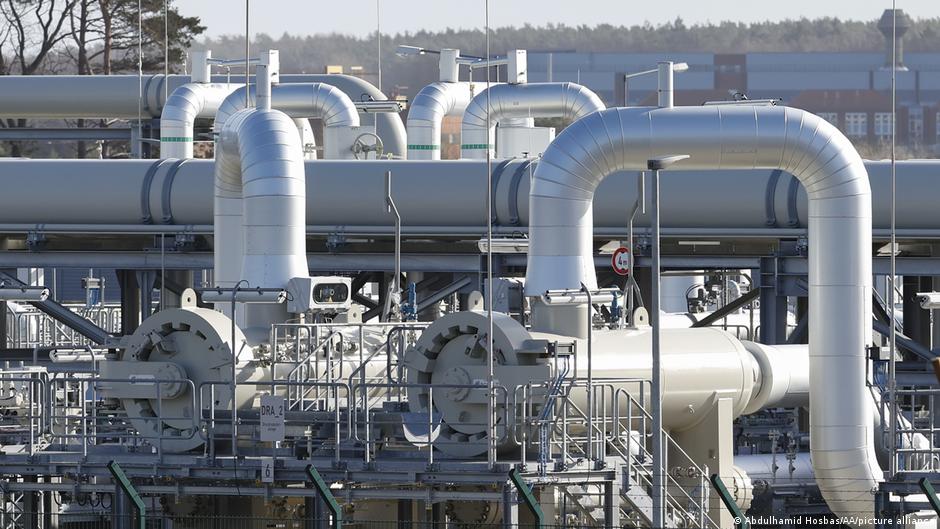
Germany plans to transfer a gas-fired combined heat and power plant (CHP) to Ukraine as part of humanitarian support, according to German energy firm Sefe Securing Energy for Europe (formerly Gazprom Germania). The plant, previously serving the Nord Stream gas pipeline, will be handed over on the condition that Ukraine arranges its own transportation.
Repurposing Infrastructure Amid Energy Transition and Conflict
The facility is located in Lubmin near Greifswald and is owned by Industriekraftwerk Greifswald GmbH (IKG). It was primarily used to generate process heat and electricity to support the transportation of Russian natural gas into the German gas network via the Nord Stream pipeline.
The combined thermal and electrical capacity of the plant is approximately 84 MW, serving a key role in the pipeline's operation until Russian gas supplies were first reduced and then fully halted in the summer of 2022. The Nord Stream and Nord Stream 2 pipelines suffered significant damage from explosions after the onset of the war in Ukraine, and Germany subsequently ceased imports of Russian gas altogether.
"This transfer not only helps avoid dismantling costs but also supports Ukraine's energy infrastructure," a Sefe spokesperson stated.
Following the end of Russian gas deliveries via the Baltic Sea pipeline in September 2022, the plant’s operation became economically unviable. With no alternative heat consumers in the region, the plant was fully shut down in 2023. Attempts to find other buyers for the CHP were unsuccessful.
Given these circumstances, Sefe decided to transfer the plant to a Ukrainian power station operator as humanitarian aid, requiring the recipient to handle the logistics of removal and transport. For Sefe, this approach mitigates decommissioning costs and contributes to strengthening Ukraine's energy resilience amidst ongoing conflict.
Implications for Energy Security and Digital Economy
This rare donation of physical energy infrastructure underscores the evolving dynamics of European energy security. As the continent seeks to diversify energy sources and reduce reliance on Russian fossil fuels, the redeployment of legacy assets to Ukraine highlights both the challenges and opportunities in supporting allied nations’ energy systems.
From a fintech and digital economy perspective, such infrastructure transfers may accelerate Ukraine's integration of smart grid technologies, digital monitoring, and remote operation capabilities in its power sector—areas heavily reliant on secure IT systems and cybersecurity solutions.
Furthermore, this move could influence investment strategies in energy tech stocks focusing on digitization, infrastructure modernization, and renewable integration, as countries rebuild and fortify energy networks with greater digital oversight and resilience.