Trump Declines NATO Naval Support in Strait of Hormuz Amid Regional Security Efforts
Former US President Trump rejects NATO assistance in Strait of Hormuz security, labeling the alliance ineffective, while European powers lead maritime safety initiatives.
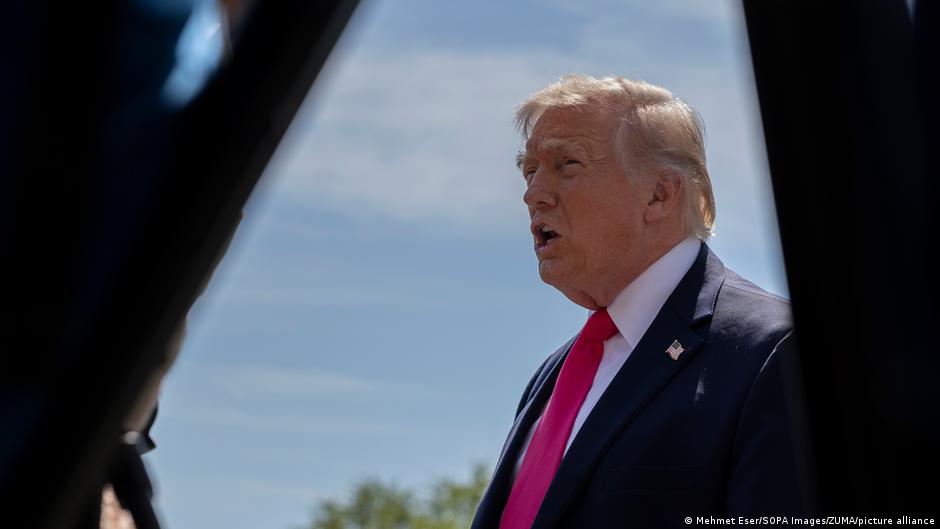
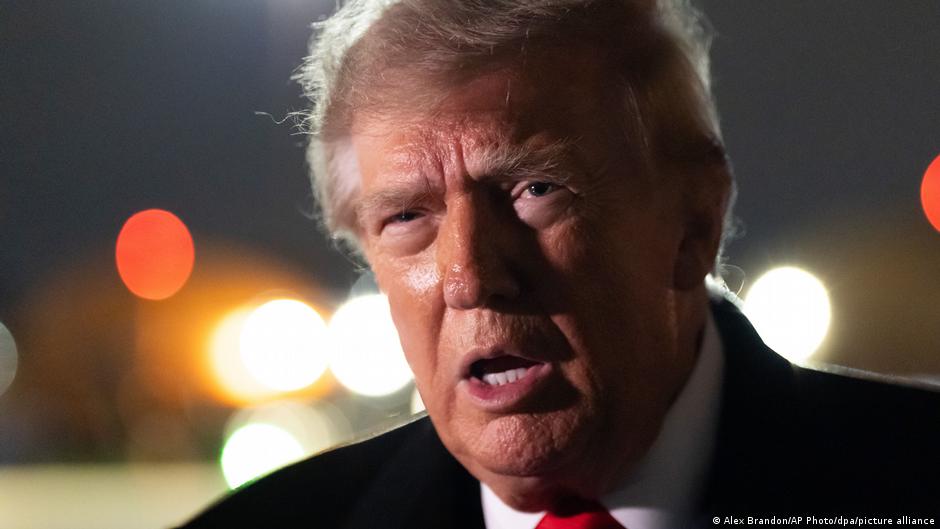
Former US President Donald Trump publicly declined NATO's offer to assist in securing the Strait of Hormuz, a vital maritime chokepoint for global oil trade. Trump dismissed the alliance as a "paper tiger" and instructed them to stay out of the region, signaling a unilateral approach to regional security challenges.
Geopolitical Implications for Maritime Security and Digital Trade
On April 17, Trump revealed on his Truth Social platform that NATO had proposed support following heightened tensions around the Strait of Hormuz. He commented, "Now that the situation in the Strait has settled, I got a call from NATO asking if we needed help. I told them to stay away unless they just want to load their ships with oil. They were useless when needed – paper tigers!"
Meanwhile, major European players, specifically France and the United Kingdom, announced plans to lead a multinational mission dedicated to safeguarding freedom of navigation through the Strait. French President Emmanuel Macron and UK Labour leader Keir Starmer, speaking after an international maritime security conference in Paris, emphasized the mission's exclusively peaceful and defensive objectives. Starmer stated the mission aims to "ensure the safety of commercial shipping and support mine clearance efforts," noting that over a dozen countries have offered support.
Germany’s Chancellor Friedrich Merz also expressed readiness to contribute to the operation, contingent on the cessation of hostilities in the Middle East and a solid legal framework, such as a United Nations Security Council resolution. Merz additionally highlighted the importance of US participation for the mission’s legitimacy and effectiveness.
"This mission will be exclusively peaceful and defensive, aimed at securing commercial shipping and assisting in mine clearance." – Keir Starmer
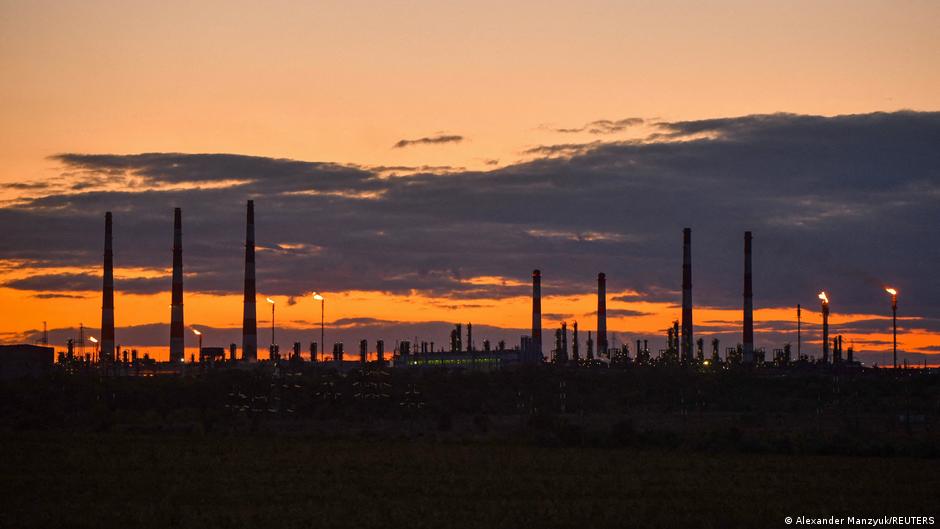
The Strait of Hormuz is a critical artery for global energy supply, with approximately a fifth of the world's oil passing through it daily. The security and stability of this waterway directly affect the global economy, including digital payment systems linked to energy trade and the stability of tech stocks in energy-dependent sectors.
Trump and Iranian Foreign Minister Abbas Araghchi simultaneously announced the Strait would remain open for commercial vessels during a ceasefire in Lebanon, even as the US maintains a blockade on Iranian ports until a comprehensive agreement is reached. This duality underscores ongoing geopolitical complexities affecting global trade routes and, by extension, fintech companies reliant on uninterrupted cross-border transactions.
Despite the announced ceasefire between Israel and Lebanon, tensions persisted. Lebanon accused Israel of violating the truce hours after its commencement, while Israel indicated ongoing operations against Hezbollah. Such regional instability could pose cybersecurity risks and disrupt digital infrastructures crucial for financial markets and digital banking services.
From a fintech perspective, these developments highlight the intertwined nature of geopolitical events, maritime security, and the resilience of digital economic systems. The reluctance of the US to engage multilaterally may influence investor confidence in tech and energy stocks, while European-led efforts could foster new frameworks for protecting critical infrastructure in geopolitically sensitive zones.