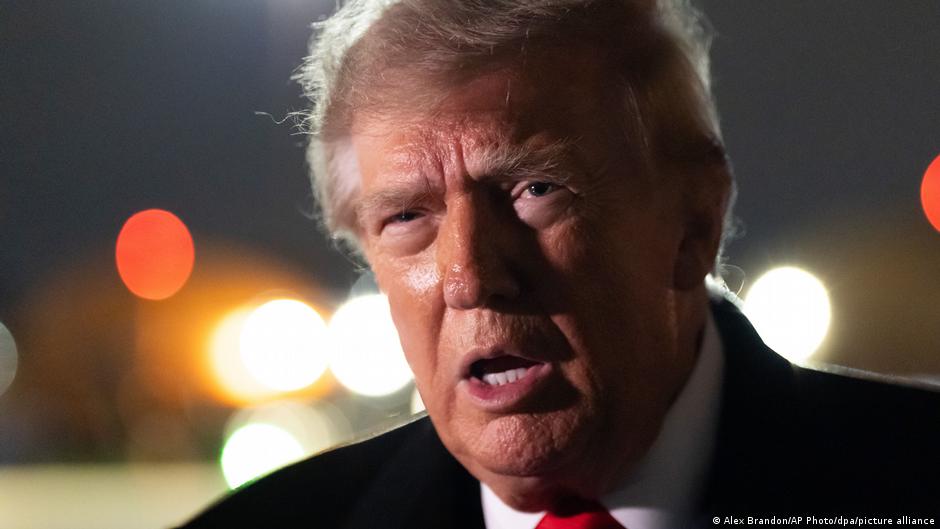
Trump and Xi Jinping Discuss Strategic Cooperation Amid Global Tensions in Beijing Meeting
US-China summit highlights potential impacts on trade, energy security, and technology sector collaboration.
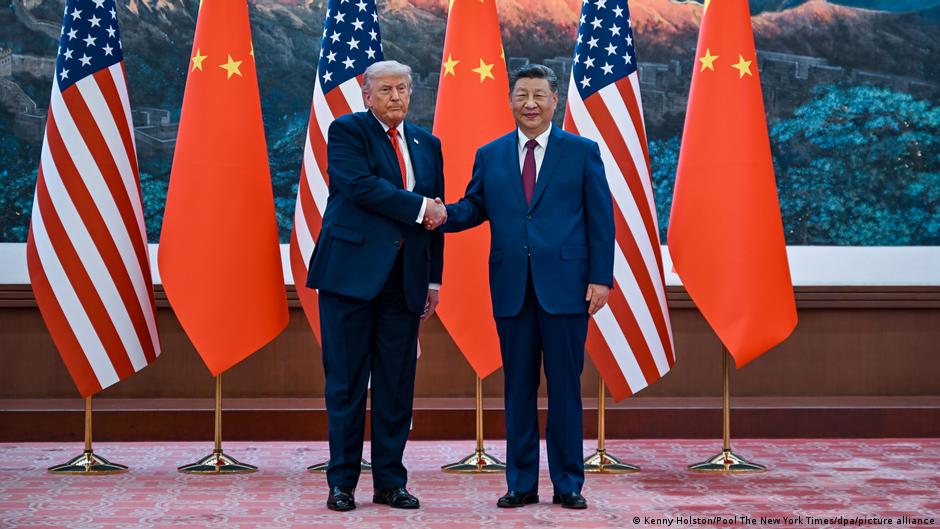
On May 14, 2024, Chinese President Xi Jinping hosted a ceremonial welcome for US President Donald Trump in Beijing, marking a pivotal diplomatic encounter at the Great Hall of the People on Tiananmen Square. The meeting underscores the ongoing strategic dialogue between the world’s two largest economies amidst complex geopolitical tensions and shifting global alliances.
Geopolitical and Economic Stakes in the US-China Dialogue
The summit comes at a time when both nations face multifaceted challenges including trade disputes, energy security concerns, and regional stability issues. President Trump expressed optimism about the future of Sino-American relations, stating,
"For me, it is a great honor to be your friend, and the relationship between China and the US will be better than ever before."Xi Jinping reciprocated, emphasizing the need for partnership over rivalry, which "is not only beneficial to both sides but also a blessing for the entire world."
One of the central topics expected to dominate discussions was the conflict involving the US, Israel, and Iran, particularly regarding the blockade of the Strait of Hormuz. US Secretary of State Marco Rubio highlighted Washington's hope that China will assist in de-escalating the blockade, noting that the Strait is vital to global energy flows and currently impedes Chinese vessels as well. This has direct implications for China's export-oriented economy, which is grappling with the ripple effects of the global energy crisis reducing demand for Chinese products.
The presence of key US government officials alongside business leaders such as Apple CEO Tim Cook and Tesla CEO Elon Musk illustrates the dual-track nature of this visit. It bridges governmental strategic interests with the commercial and technological sectors, which are crucial to both countries’ economic future.
Technology, Trade, and Digital Economy Prospects
The US-China relationship profoundly impacts fintech, digital banking, and cybersecurity landscapes globally. Trade tensions and tariffs imposed in previous years have affected supply chains for high-tech components including semiconductors and rare earth elements—critical for advanced digital infrastructure and electric vehicles. Progress in easing restrictions on Chinese exports of rare earth metals, agreed upon during an October 2023 meeting in South Korea, signals potential for improved cooperation.
Both nations are expected to continue negotiations aimed at resolving trade disputes, which will have direct consequences for digital economy stakeholders. For instance, reduced tariffs could facilitate smoother cross-border technology transfers and joint ventures in sectors such as 5G deployment, artificial intelligence, and blockchain-based financial services.
Moreover, cybersecurity remains a top priority amid concerns over intellectual property protection and data sovereignty. Collaborative frameworks or agreements emerging from such high-level talks could help establish norms and reduce risks of cyber conflicts that jeopardize global digital financial systems and stock markets.
With the US-China tech competition shaping global market dynamics, investors and fintech innovators worldwide closely watch how diplomatic breakthroughs will impact market access, regulatory environments, and venture capital flows in emerging digital sectors.
President Trump’s two-day visit, his first to China since 2017, signals a potential thaw and pragmatic engagement intended to stabilize relations. The outcomes of this summit will likely influence not only geopolitical stability but also the trajectory of global fintech innovation and technology stock valuations in the coming years.