Qatar Denies Detaining Iranian Pilots Amid Middle East Conflict Tensions
Qatar refutes claims of holding Iranian pilots after airspace violation during ongoing regional conflict.
Qatar has officially rejected claims that it is detaining three Iranian pilots following an airspace violation amid the ongoing conflict in the Middle East. The Doha government expressed surprise at the misleading statements that surfaced amid current diplomatic efforts aimed at de-escalating regional tensions.
Diplomatic and Security Responses to Airspace Breach
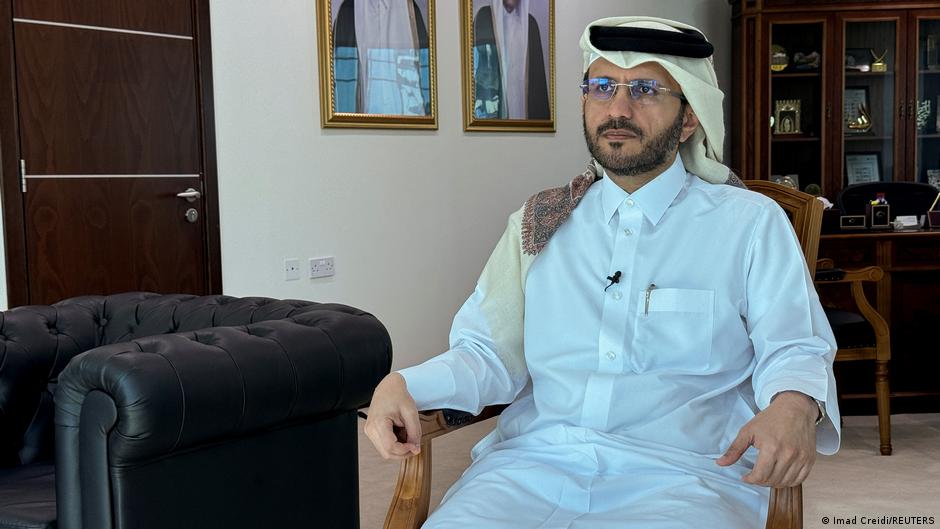
Majid bin Mohammed Al-Ansari, a spokesperson for Qatar’s Ministry of Foreign Affairs, communicated via social media on August 15 that Doha has established contact with the pilots after confirming their aircraft violated Qatari airspace. Qatar emphasized that it took all necessary actions to protect its territory in accordance with international law and subsequently clarified the situation through official diplomatic channels.
“Qatar was surprised by these misleading statements at this particular time, during ongoing diplomatic efforts and initiatives aimed at reducing tensions in the region,” said Al-Ansari.
Qatar also reported that its search and rescue teams fulfilled their duties in recovering remains of the pilots. Doha claimed to have coordinated with Iranian authorities regarding the transfer of one pilot’s remains. Additionally, Qatar extended an invitation to an Iranian delegation in April to review the details of its search and rescue operations, but Iran has yet to respond.
Contrasting Iranian Claims and Regional Security Implications
Iranian officials have accused Qatar of detaining the pilots since their Su-24 aircraft crashed early in the conflict. Tehran’s military search committee head, Mohammad Bagerzadeh, stated that the pilots—Javad Salehi, Abdolmajid Dashtiyan, and Omran Behruzyan—have been held captive by Qatari forces for six months and are denied contact with their families.
Previously, Iran reported one pilot’s death and two missing in action but did not publicize allegations of captivity until recently. Tehran’s accusations intensified following Qatar’s announcement in March that its air force had shot down two Su-24 bombers flying from Iranian territory and intercepted multiple ballistic missiles and drones targeting Qatar.
These developments occur against the backdrop of heightened regional volatility, including a June framework agreement between the US and Iran aimed at halting hostilities and lifting a blockade in the Strait of Hormuz. Despite this, attacks such as the June drone strike on a commercial tanker prompted US retaliatory strikes on Iran. By late July, the US suspended bombings citing progress in negotiations.
Qatar itself has reported being targeted by missile and drone attacks after ceasefire attempts collapsed, affecting its territory and maritime interests in the strategically significant Strait of Hormuz.
Impact on Regional Digital and Financial Security
While military and diplomatic tensions dominate headlines, these hostilities also have indirect consequences on fintech, digital banking, and cybersecurity in the Gulf region. The Strait of Hormuz is a critical artery for global energy supplies and trade, with significant digital infrastructure supporting financial transactions and communications.
Escalation risks disruptions to payment systems, cross-border cryptocurrency operations, and cybersecurity protocols critical to protecting financial institutions and tech infrastructure in Qatar and neighboring countries. The diplomatic efforts underway are not only vital for geopolitical stability but also for maintaining secure and resilient digital economies in the region.