Palestinian Election Delay Adds Governance Risk for Gaza’s Digital Economy
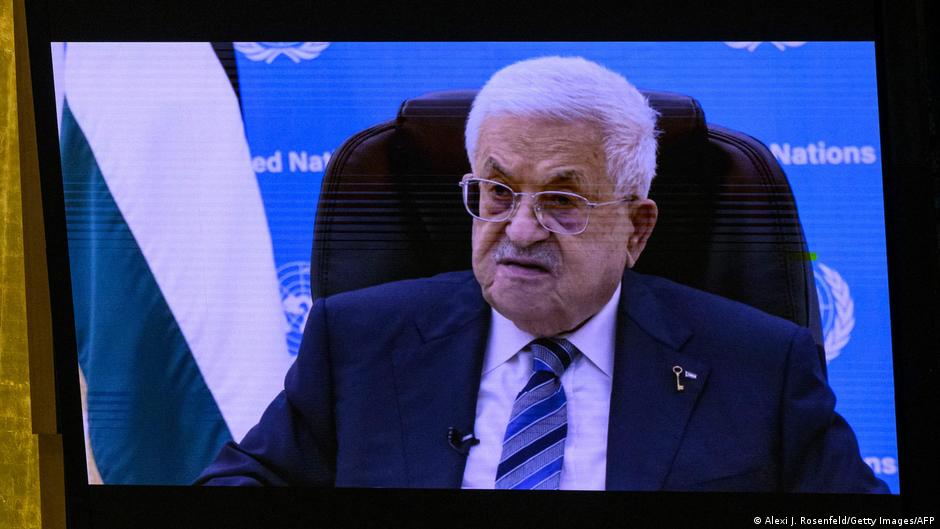
Abbas delayed Palestinian elections to September 2027, extending governance uncertainty for Gaza’s payments, banking and digital economy outlook.

Abbas delayed Palestinian elections to September 2027, extending governance uncertainty for Gaza’s payments, banking and digital economy outlook.

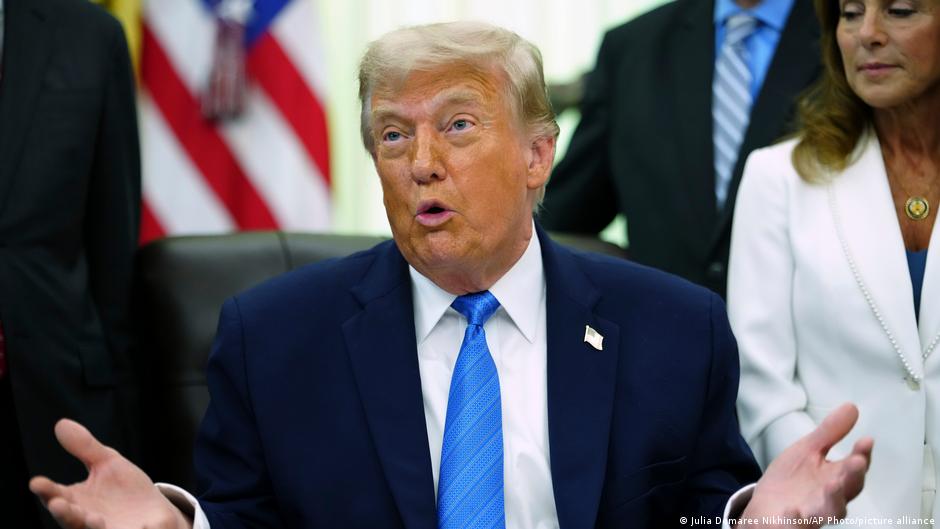
Trump expects new Iran talks as the Hormuz standoff raises risks for energy markets, fintech compliance, crypto volatility and tech stocks.

U.S.-Iran talks at the UN raised market focus on Hormuz shipping, sanctions, frozen assets, cybersecurity risk and fintech exposure.

Jared Kushner’s talks with Hamas leaders highlight how Middle East geopolitical tensions affect fintech, digital banking, and cybersecurity amid ongoing Gaza conflict.

Qatar denies holding Iranian pilots after airspace violation amid Middle East conflict, emphasizing adherence to international law and ongoing diplomatic efforts.

The US announces a historic agreement with Hamas for full disarmament, marking a key step toward peace and potential growth in the region's digital economy and fintech sectors.
Montenegro will end visa-free entry for Russian and Belarusian citizens after October 2026, impacting fintech, digital payments, and cross-border economic ties amid EU integration efforts.

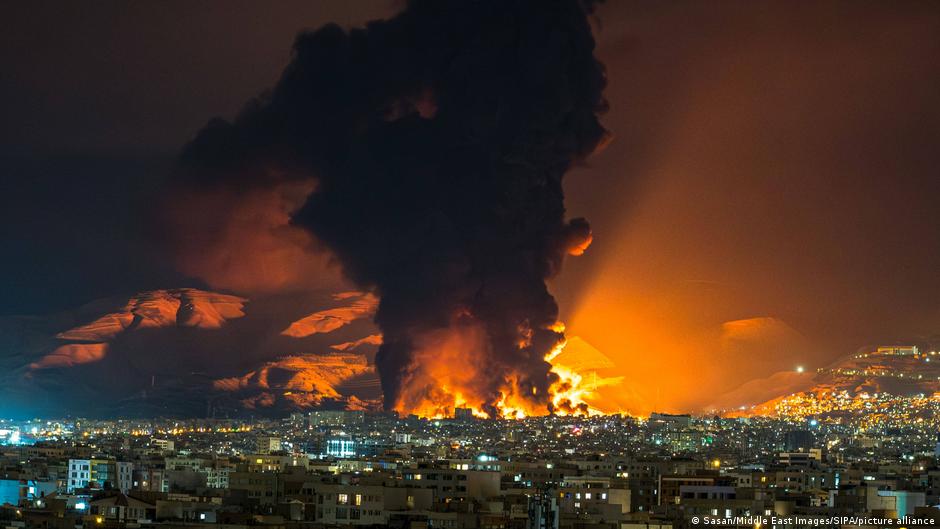
US strikes on Iran continue for the ninth night, disrupting Gulf trade routes and impacting energy supply chains, with significant implications for fintech and cybersecurity sectors.

The US is advancing plans to restore an Iraq-Syria oil pipeline bypassing the Strait of Hormuz, aiming to reduce Iran's influence and reshape regional energy routes.

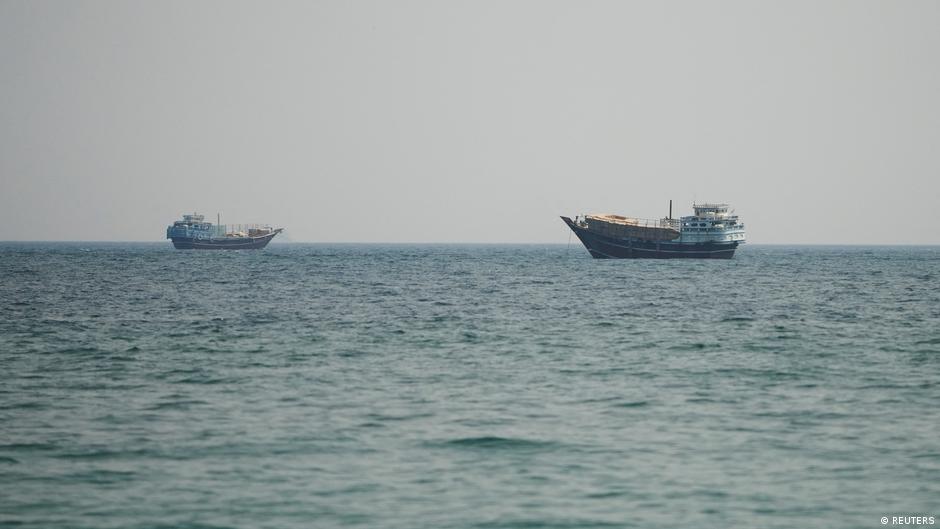
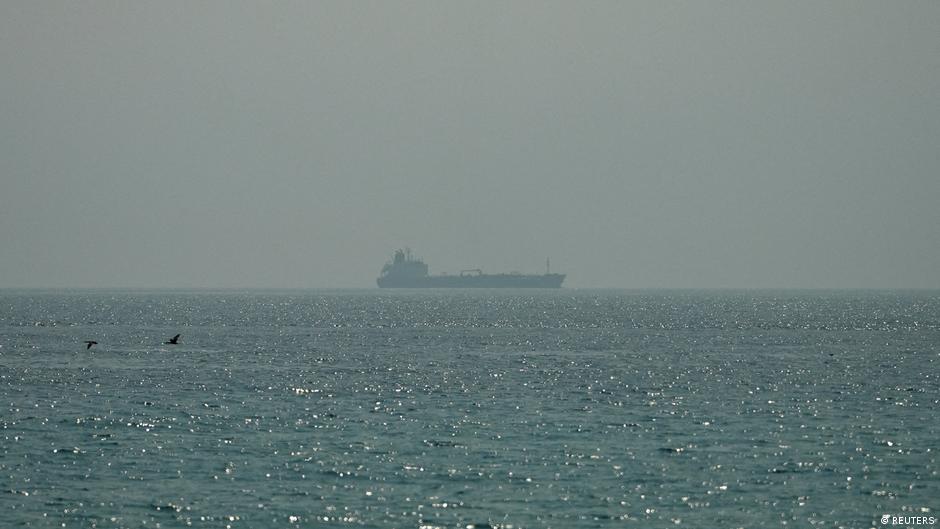
US military strikes near the Strait of Hormuz aim to prevent Iranian attacks on commercial shipping, affecting global oil trade and digital economy security.

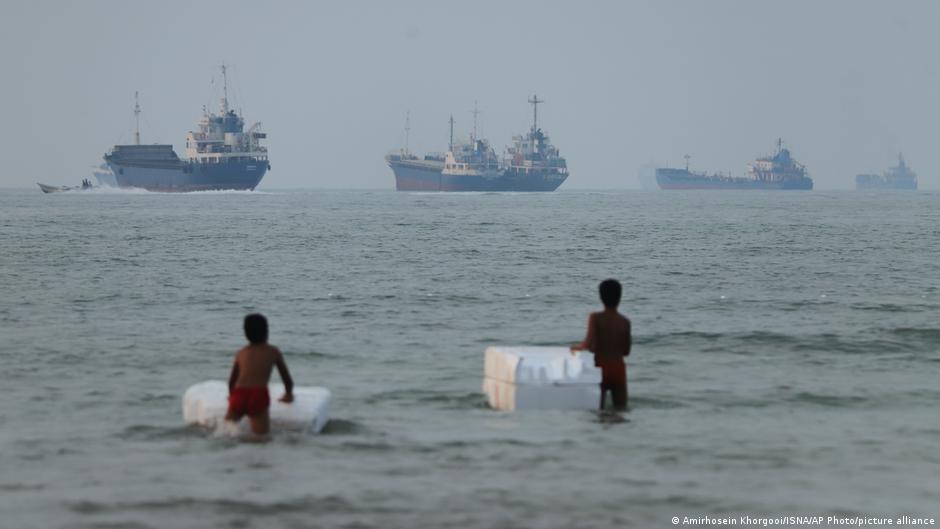
US military strikes on Iran target maritime infrastructure in the Strait of Hormuz, raising risks for global trade, energy markets, and fintech payment ecosystems amid escalating tensions.

US military strikes on Iran retaliate against tanker attacks in the Strait of Hormuz, raising risks for maritime trade, energy markets, and digital financial ecosystems.

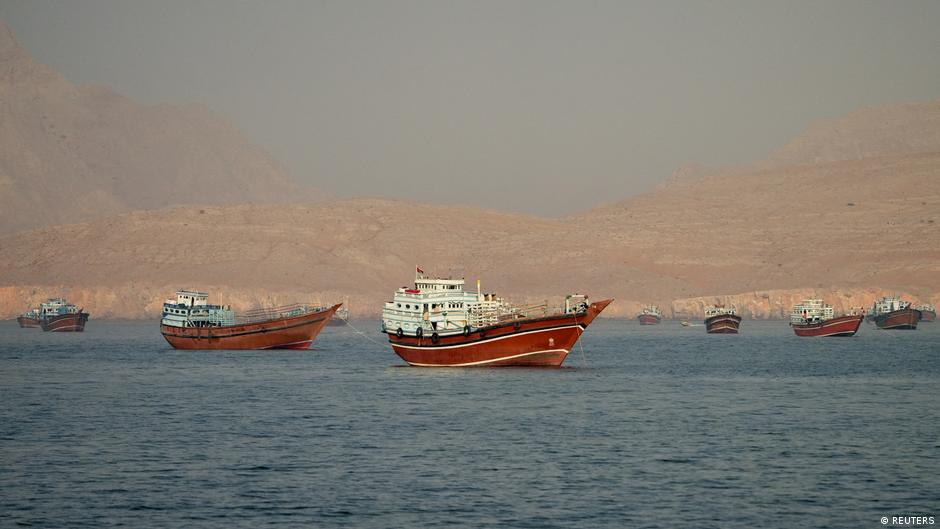
The US and Iran agree to halt attacks until June 30 ahead of talks on reopening the Strait of Hormuz, impacting energy markets and fintech sectors.

The US and Iran agreed on a communication channel to prevent incidents in the Strait of Hormuz, aiming to finalize broader agreements within 60 days, impacting regional security and fintech sectors.

US envoy Stephen Whitlock arrives in Switzerland to resume Iran nuclear deal talks amid regional conflicts affecting financial and digital economy prospects.

Pakistan announces the Strait of Hormuz will reopen immediately following a US-Iran peace deal, signaling shifts in global trade and fintech opportunities.

Trump cancels planned US strikes on Iran amid diplomatic progress, impacting energy flows, cybersecurity risks, and fintech markets in the Middle East.

Donald Trump postponed a planned May 19 military strike on Iran after Gulf leaders intervened, as serious negotiations aim to prevent conflict and impact fintech sectors.

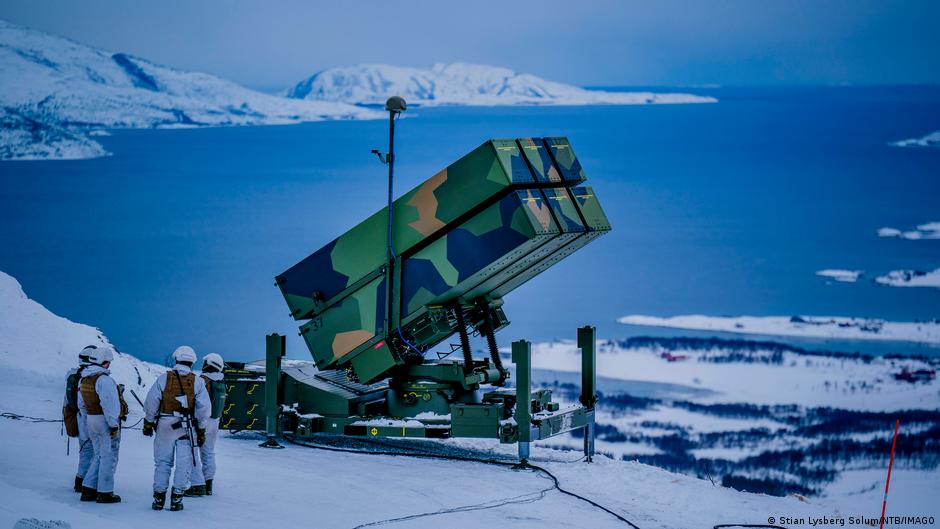
US warns European allies of significant delays in missile system ammunition shipments due to urgent replenishment amid conflict with Iran, impacting defense supply chains and allied readiness.

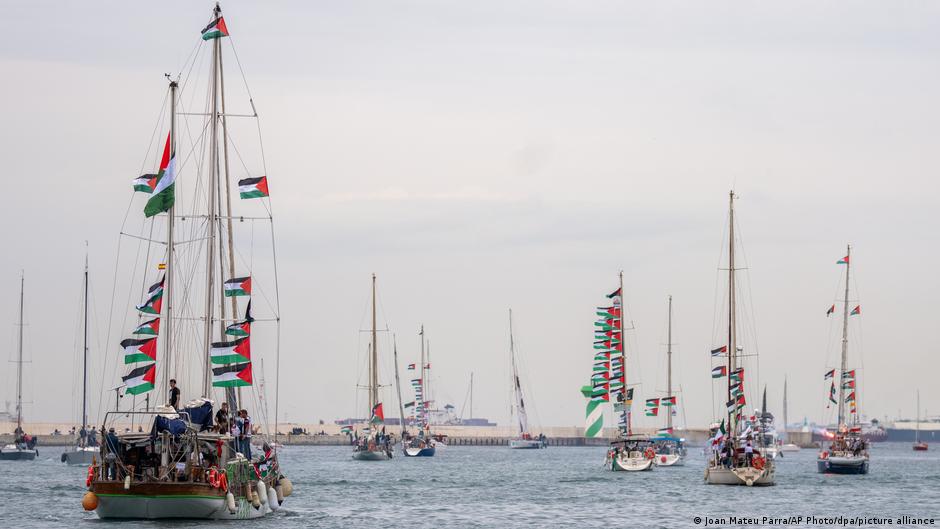
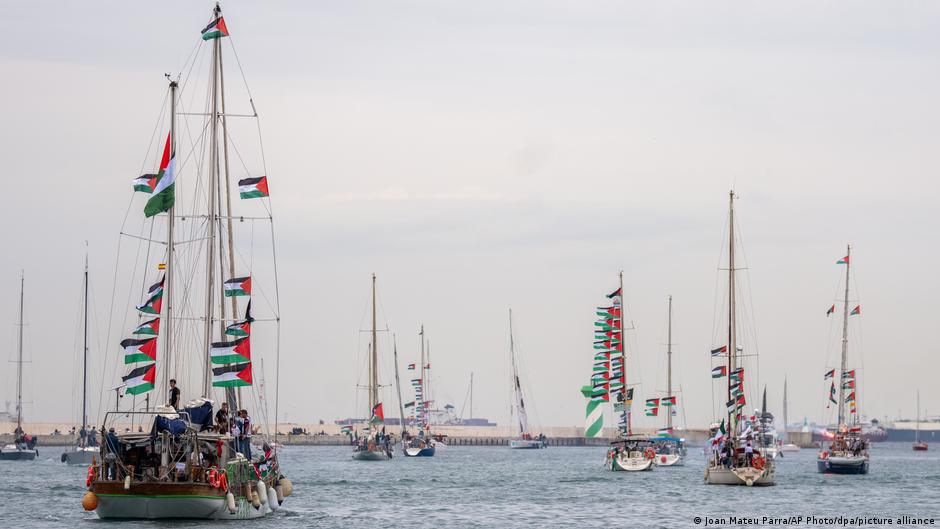
Italy and Germany call for adherence to international law after Israel intercepts a humanitarian flotilla bound for Gaza, highlighting challenges in aid delivery and digital economy impacts.

Israel detains humanitarian aid ships to Gaza, revealing digital communication disruptions and prompting fintech and cybersecurity concerns amid maritime blockades.