US Charges Raul Castro Over 1996 Killing of Pilots Amid Rising Cuba Tensions
Former Cuban leader Raul Castro faces US charges linked to 1996 shootdown of US citizen pilots amid escalating geopolitical conflicts.
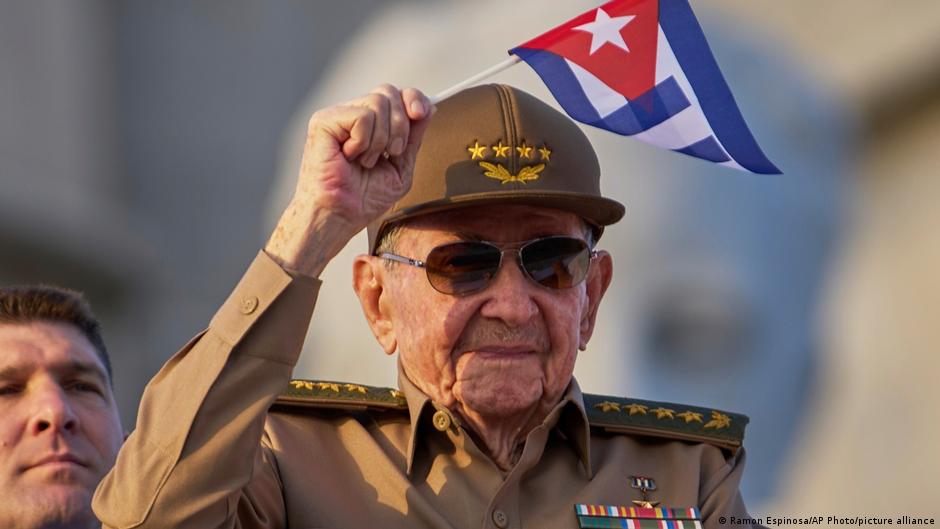
The US Department of Justice has formally charged former Cuban leader Raul Castro with murder related to the 1996 downing of four American pilots attempting to rescue Cuban refugees at sea. The incident has renewed tensions between Washington and Havana, with significant implications for geopolitical stability and international relations.
Background and Charges
On May 20, acting US Attorney General Todd Blanche announced in Miami that Raul Castro, previously Cuba's Minister of Defense and head of the Communist Party, is accused of conspiring to kill US citizens. The charges stem from an event over 30 years ago when Cuban fighter jets shot down two planes belonging to the Miami-based Cuban exile group Brothers to the Rescue. All four Americans aboard the planes were killed.
At the time, Cuba defended its military actions as a legitimate response to incursions into its airspace. The International Civil Aviation Organization later determined that the planes were shot down over international waters, raising questions about the legality of the attack under international law.
"My message is clear," said Todd Blanche. "The United States and President Trump will not forget their citizens."
Blanche emphasized that the charges carry symbolic weight given Castro's advanced age of 94 but warned that if he does not voluntarily appear in the US, he may be forcibly extradited and detained.
Broader Context and Implications
The accusations come amid heightened US-Cuba tensions following recent political and economic moves by Washington, including energy sanctions against Cuba and the ousting of key regional allies such as Venezuelan President Nicolas Maduro. The Trump administration has repeatedly expressed ambitions to assert greater influence over the Caribbean island nation.
US Senator Marco Rubio, the son of Cuban immigrants, also addressed the Cuban people shortly before the indictment was announced. Rubio urged Cubans to reject their socialist government and stated that President Trump offers a new path forward for US-Cuba relations. He criticized the Cuban leadership for exploiting and suppressing its population.
Raul Castro, brother of revolutionary leader Fidel Castro, played a pivotal role in Cuba's historic rapprochement with the US in 2015 during the Obama administration, which was subsequently reversed under Trump. He stepped down from his leadership roles in 2018 and has not been seen publicly since early May, with no indications that he has left Cuba or that the government would extradite him.
Fintech and Digital Economy Considerations
While the charges against Raul Castro are primarily political and legal, the escalating US-Cuba tensions could have significant repercussions for the digital economy and fintech sectors. Renewed sanctions and economic restrictions could further isolate Cuba’s financial systems, impeding digital banking innovations and cross-border payments. Moreover, heightened geopolitical instability often drives increased cybersecurity concerns and impacts the performance of related tech stocks.
As the US continues to leverage economic tools and legal actions to influence Cuba, fintech firms operating in the Caribbean and Latin America may face operational challenges due to regulatory uncertainties and potential sanctions compliance requirements. Crypto transactions, which some Cubans use to circumvent traditional banking restrictions, could also come under increased scrutiny.
International businesses and digital financial service providers monitoring the Caribbean region should closely watch developments, as political shifts often trigger rapid changes in payment systems, digital currency adoption, and cross-border financial flows.