US Senate Passes Stricter Sanctions on Russia, Impacting Energy and Financial Sectors
New US sanctions target Russian banks, energy exports, and shadow fleets, with implications for global fintech and digital economy sectors.

The US Senate has approved a comprehensive new sanctions package aimed at curbing Russia's financial and energy sectors, marking a significant escalation in economic pressure amid ongoing geopolitical tensions. The legislation, named after the late Senator Lindsey Graham, received bipartisan support with 86 votes in favor and 11 against.
Sanctions Target Energy Exports and Financial Networks
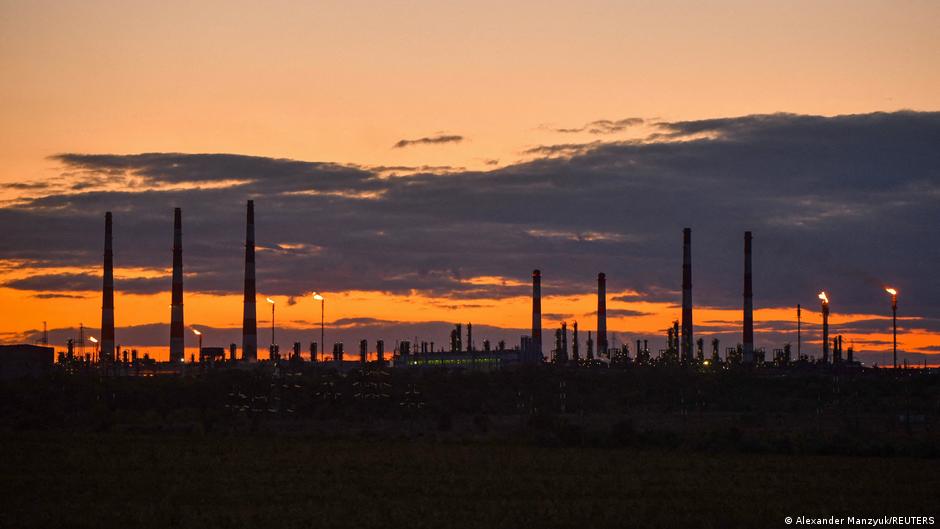
The bill targets multiple facets of Russia's economy, including prominent officials, oligarchs, banks, and a so-called "shadow fleet" used to circumvent export restrictions on oil. This fleet consists of vessels that facilitate the clandestine transport of Russian energy resources, thereby undermining previous sanctions' effectiveness. By focusing on these elements, the legislation aims to cut off vital revenue streams sustaining Russia's military actions.
"Together, Europe and the United States can demonstrate what historical partners can achieve when acting in unison," stated Ursula von der Leyen, President of the European Commission, underscoring the global coordination behind the sanctions.
The sanctions package also empowers the US President to impose tariffs of up to 100% on goods from countries that are major importers of Russian oil and gas. However, the legislation includes carve-outs for nations that derive less than 15% of their natural gas consumption from Russia and are actively reducing their dependence.
Reactions and Digital Economy Implications
Both the European Commission and Ukraine have welcomed the Senate's decision. Ukrainian President Volodymyr Zelensky highlighted the importance of increasing pressure on Russia to end its aggression, while also emphasizing Ukraine's urgent need for advanced air defense systems.
From a fintech and digital economy perspective, these new sanctions could accelerate shifts in global payment flows and energy trade financing. Restrictions on Russian banks and oligarchs may lead to increased scrutiny and compliance demands for international financial institutions, pushing advancements in sanctions screening technologies and blockchain-based transaction monitoring.
Furthermore, tariffs and supply chain disruptions triggered by the sanctions may drive energy market volatility, influencing fintech risk models and investment strategies in energy tech stocks. The emphasis on targeting the "shadow fleet" also highlights the growing role of digital tools in tracking illicit maritime activity, with potential growth for cybersecurity firms specializing in maritime and trade surveillance solutions.
As the bill moves to the House of Representatives, its eventual implementation is expected to deepen the digital transformation of compliance and payment systems, while reshaping global energy trade networks.