Germany Considers Steinmeier Leading EU in Peace Talks with Russia Amid Ukraine War
Berlin explores a joint mediation approach by ex-Chancellor Schröder and President Steinmeier to represent the EU in negotiations with Russia.
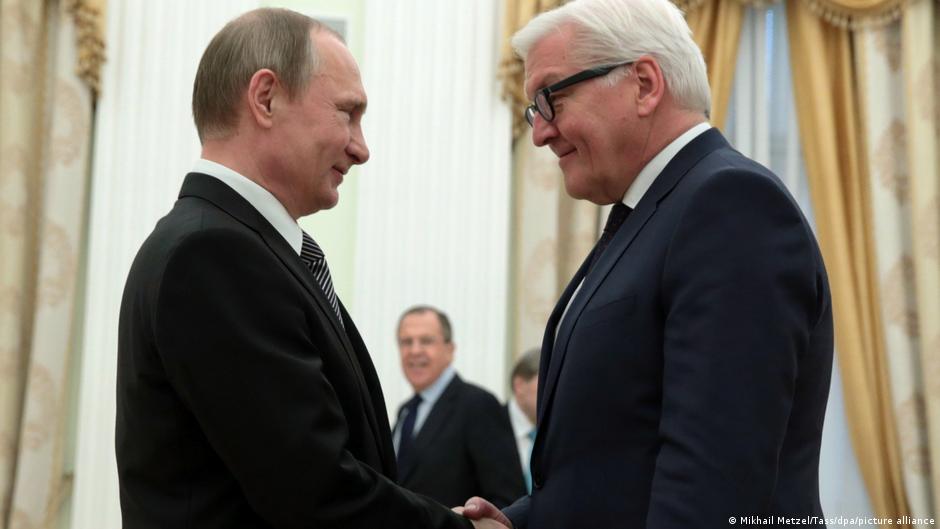
The German government is reportedly considering an unprecedented mediation duo comprising former Chancellor Gerhard Schröder and current President Frank-Walter Steinmeier to represent the European Union in potential peace negotiations with Russia aimed at ending the war in Ukraine.
According to information from sources close to the German government, shared with Der Spiegel on May 10, Berlin views this dual approach as an "interesting option" to engage Russia in dialogue, especially after Russian President Vladimir Putin publicly expressed his preference for Schröder to act as the EU's negotiation representative.
Political Dynamics and Digital Economy Implications
Germany’s ruling coalition, however, is skeptical about Putin’s proposal to have Schröder act alone, citing concerns over his ability to effectively represent the EU given his long-standing personal ties to the Russian leader. The government believes that Schröder on his own is unlikely to be successful in such a delicate role, hence the potential pairing with Steinmeier, who as president holds a more neutral and formal political position.
"The so-called 'mediation duo' of Schröder and Steinmeier is seen as an interesting variant by Berlin officials," according to the report.
From a fintech and digital economy perspective, these developments in geopolitical negotiations could have significant repercussions on cross-border payment systems, digital banking collaborations, and cybersecurity frameworks within the EU and Russia. The war has already heightened concerns over cybersecurity risks and disrupted traditional financial channels, accelerating shifts toward alternative payment infrastructures and digital currencies.
Should negotiations progress with Germany and the EU taking a more active representative role, it could lead to easing some sanctions or reopening digital financial dialogues that impact crypto regulation and tech stock markets intertwined with Russia and Europe. Conversely, the current atmosphere of mistrust and hybrid information warfare underscores the need for robust cybersecurity measures in the digital payments ecosystem.
Analysts note that Russia's approach, including Putin’s statements that Europe must select a negotiator who has not "spoken nasty things" about Russia, appears to be part of a broader hybrid strategy designed to create divisions within the EU. Official peace talks between Russia and Ukraine have not resumed, with Russian Foreign Minister Sergey Lavrov confirming in mid-April that no formal negotiations are underway.
Sources close to the German government express doubt about the credibility of Russia’s peace overtures, pointing out that a real test of Moscow’s willingness to de-escalate would be an extension of the existing three-day ceasefire window. Until then, uncertainty will likely continue to impact investor confidence in tech sectors sensitive to geopolitical shifts.