European Leaders and Ukraine Discuss Diplomatic Efforts to End War Amid Geopolitical Shifts
Ukraine and key European allies held high-level talks focusing on revitalizing diplomacy to halt Russian aggression amid changing global security dynamics.
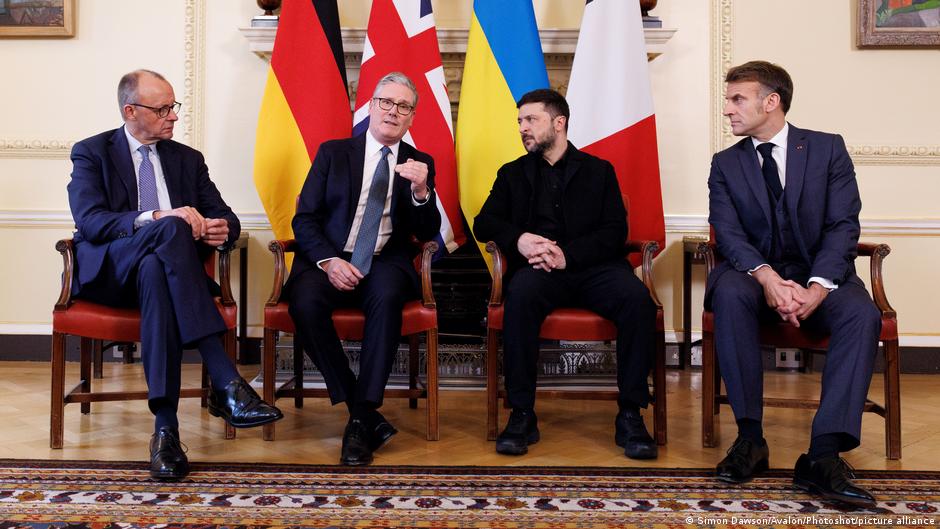
In a recent high-level video conference, Ukraine's President Volodymyr Zelensky engaged with Germany's Chancellor Friedrich Merz, France's President Emmanuel Macron, and the United Kingdom's Prime Minister Keir Starmer to discuss pathways for ending the ongoing war initiated by Russia. The meeting, held on May 22, centered on "activating diplomacy in the name of peace" and ensuring active European participation in the peace process.
European Commitment to Strengthening Ukraine's Defense and Diplomatic Initiatives
The video conference marked the first such engagement at the top political level in a considerable time, underscoring Europe's enhanced commitment to Ukraine amid the shifting geopolitical landscape. Representatives from Berlin, London, and Paris acknowledged Ukraine's strengthened military and strategic position following recent Ukrainian armed forces' strikes on several key Russian targets.
"All partners recognize Ukraine's significantly stronger stance—both on the battlefield and in strategic foresight," President Zelensky wrote, emphasizing the importance of this leverage in driving effective diplomacy.
The UK Prime Minister's press secretary confirmed ongoing plans to bolster support for Ukraine's defense in the coming months. The participating states collectively highlighted that countering Russian aggression remains vital for the security of Europe and the wider world.
Beyond military and diplomatic support, Zelensky briefed the leaders on intelligence concerning Russia's plans affecting Ukraine, Belarus, and broader European security. Although details were not disclosed, the emphasis was on enhanced intelligence sharing among their security services to advance the prospects for genuine peace.
Further efforts are planned, including an upcoming meeting of national security advisors from the four countries to coordinate strategy and intelligence.
Challenges and New Directions in Peace Negotiations
The traditional trilateral negotiation format involving Ukraine, the United States, and Russia has reportedly reached a saturation point, with limited progress despite repeated discussions. Ukraine's Foreign Minister Andriy Sybiha suggested that involving the European Union more directly in peace talks could revitalize the process. He also proposed a potential summit between the leaders of Ukraine, Russia, and the United States as a means to break the deadlock.
Meanwhile, U.S. Secretary of State Marco Rubio expressed cautious support for continuing trilateral talks but warned against endless cycles of unproductive meetings. The last round of these talks occurred in February 2026 in Geneva, shortly before the conflict between the U.S. and Israel against Iran shifted U.S. diplomatic focus.
These developments occur amid ongoing global security concerns and highlight the intersection of geopolitical strategy with technological and economic dimensions, including the digital economy's role in supporting Ukraine's resilience.
As Europe's major powers deepen their diplomatic engagement and defense support, the implications for fintech and digital infrastructure are notable. Enhanced cybersecurity cooperation and investment in Ukraine’s digital banking and payment systems will be critical for sustaining economic stability amid conflict.
Moreover, the evolving geopolitical tensions underscore the importance of secure digital financial networks and the potential acceleration of crypto and fintech adoption in conflict zones to maintain financial flows and economic resilience.