Putin Endorses Schröder as EU Negotiator on Ukraine Conflict, Highlighting Diplomatic Dynamics
Russian President Vladimir Putin nominates ex-German Chancellor Gerhard Schröder as preferred EU negotiator amid ongoing war and diplomatic complexities.
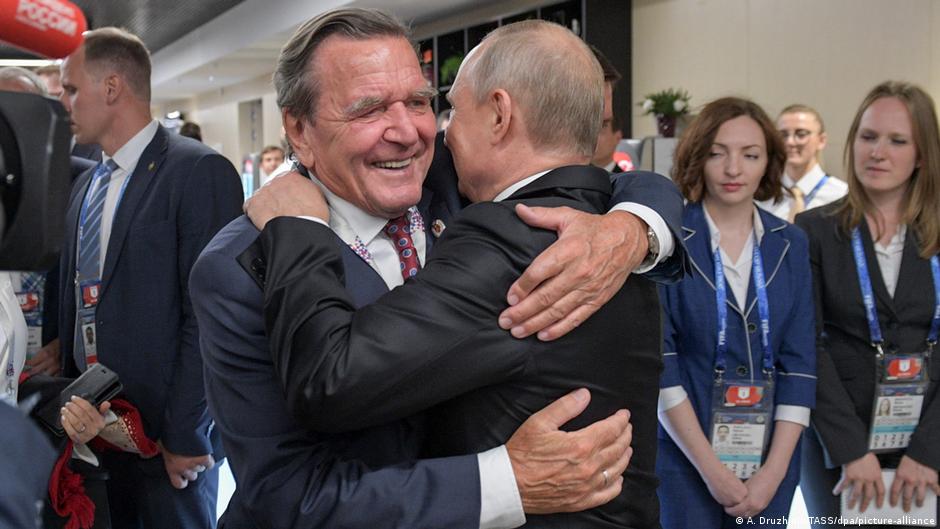
Russian President Vladimir Putin has indicated that the war between Russia and Ukraine is approaching a resolution, expressing Moscow's readiness to engage in negotiations. During a May 9 press conference, Putin named former German Chancellor Gerhard Schröder as his preferred candidate from the European Union to participate in talks aimed at ending the conflict.
The Role of Gerhard Schröder in Diplomatic Talks
In response to a journalist's question about potential Western European interlocutors for dialogue, Putin singled out Schröder, highlighting his longstanding relationship with Russia. Schröder, who served as Germany’s Chancellor from 1998 to 2005, is known for his close ties to Putin and his post-political career engagements with Russian energy companies, including leadership roles in Nord Stream and Rosneft.
"For me personally, the former Chancellor of Germany, Mr. Schröder, is preferable," Putin said, emphasizing the importance of selecting a negotiator who has refrained from derogatory remarks against Russia.
Putin stressed that Russia remains open to dialogue but expects Europe to appoint representatives who respect Moscow. This stance contrasts with Putin’s previous statements during the conflict, which included disparaging comments toward European countries and leaders.
Putin also reiterated Russia’s willingness to meet with Ukrainian President Volodymyr Zelensky in a third country, provided that comprehensive and historically sustainable agreements are reached. However, official negotiations have yet to commence, as confirmed by Russian Foreign Minister Sergey Lavrov in April.
During a recent meeting with Slovak Prime Minister Robert Fico, Putin noted that Zelensky is reportedly willing to hold a summit-level meeting. Putin invited Zelensky to come to Moscow, underscoring Russia’s openness to direct talks without preconditions.
Ukraine, however, has repeatedly rejected meeting proposals on Russian or Belarusian territory, citing concerns about the sincerity and security of such initiatives.
Implications for Fintech and the Digital Economy
The endorsement of Schröder as a mediator signals not only diplomatic nuances but also potential impacts on the broader European economic landscape, including fintech, digital banking, and cybersecurity sectors. As geopolitical tensions influence sanctions and cross-border financial flows, any progress toward negotiation could affect markets related to payments and digital transactions.
Given Schröder’s connections to the Russian energy sector and his reputation as a lobbyist within Germany, his involvement might sway discussions on economic cooperation or sanctions regimes, which directly impact digital economy stakeholders.
Moreover, the ongoing conflict and diplomatic uncertainty have heightened cybersecurity concerns for European fintech firms and digital banks, as cyber threats often escalate alongside geopolitical conflicts. A potential thaw in relations could either alleviate or reconfigure these risks.
Investors in tech stocks linked to payments and digital financial services should watch for developments in the negotiation process that could influence regulatory environments and cross-border financial infrastructure.
In parallel, the Kremlin’s preference for personal connections and business-oriented negotiators—illustrated by past lobbying for figures like Steve Witkoff, a businessman favored for his unconventional approach—reflects a strategic inclination to blend diplomacy with economic interests. This approach may shape how digital economy frameworks evolve in Eastern Europe and beyond.
As the situation develops, the fintech and digital economy sectors remain attentive to the interplay between high-level diplomacy and market dynamics.