EU-Mexico Trade Deal to Boost Digital Economy and Facilitate Cross-Border Fintech Payments
The new EU-Mexico trade agreement eliminates tariffs and bureaucratic hurdles, paving the way for enhanced digital banking, fintech, and investment cooperation.
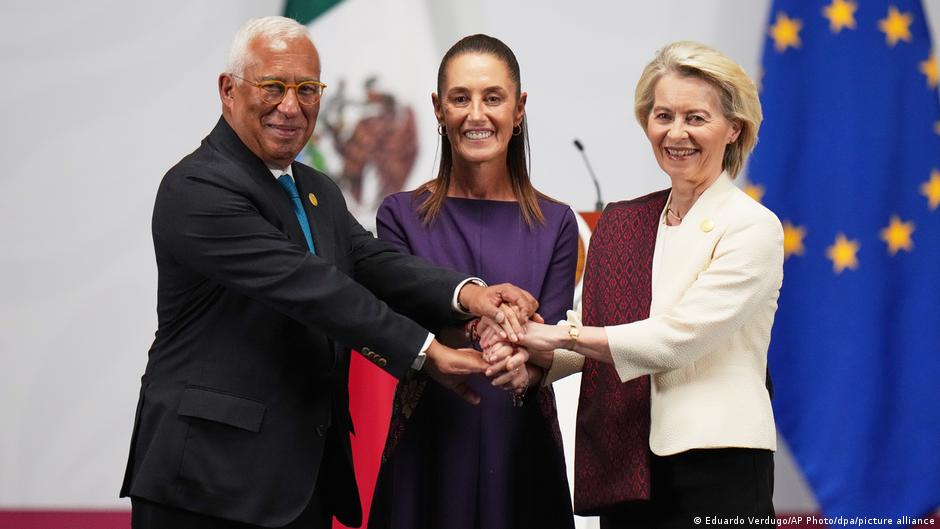
After a decade of negotiations, the European Union and Mexico have signed a comprehensive trade and cooperation agreement that promises to reshape economic ties between the two regions. This landmark deal eliminates nearly all tariffs on imports from the EU into Mexico and addresses bureaucratic barriers, creating favorable conditions for increased trade and investment.
Implications for Fintech and Digital Economy
Beyond traditional trade in goods, the agreement also sets the stage for advancements in the digital economy, particularly in fintech, digital banking, and cross-border payments. By simplifying access to government procurement and harmonizing regulatory frameworks, the deal could accelerate the adoption of innovative payment solutions and financial technologies between the EU and Mexico.
"Given the current geopolitical climate, our partnership is more important than ever," said EU Council President António Costa during the signing ceremony in Mexico City on May 22.
With trade volumes between the EU and Mexico having grown by 75% over the past decade, the new agreement aims to expand annual exports from Mexico to the EU by about 50% by 2030, reaching approximately €31 billion. European exports to Mexico currently total roughly €56 billion annually, reflecting robust and growing demand.
The removal of tariffs will benefit key sectors such as agriculture, including Mexican exports of chicken and asparagus, and European exports like dry milk, cheese, and pork. While some quotas remain in place, overall market access is set to improve significantly. This enhanced trade flow will facilitate the digitalization of payment processes, benefiting fintech companies and digital banks eager to streamline cross-border transactions.
Moreover, the EU plans to invest €5 billion in Mexican infrastructure projects, which may include digital infrastructure upgrades supporting secure financial networks and cybersecurity enhancements critical for fintech growth.
The deal also encompasses commitments on climate change, human rights, and international cooperation, aligning with digital economy priorities such as data protection and sustainable fintech innovation.
Germany Trade & Invest (GTAI) reports that Mexico will gradually remove tariffs on products like poultry, pork, cheese, and chocolate, while the EU secures access to vital raw materials. This mutually beneficial partnership also protects geographical indications for regional products, signaling respect for intellectual property and regulatory standards—factors integral to secure digital commerce.
With Mexico's population exceeding 130 million and its strategic position bolstered by NAFTA (now USMCA), this agreement strengthens its role as a manufacturing hub for European companies, including those in the tech and financial sectors.
As digital payment systems and cross-border fintech solutions continue to evolve in a complex global environment, the EU-Mexico trade agreement offers a framework for deeper collaboration, increased investment, and enhanced security—ultimately advancing the digital economy for both partners.