Russian Drone Strike Damages Residential Building in Kharkiv Amid Ongoing Conflict
A Russian UAV hit a high-rise in Kharkiv causing a fire, while missile strikes in Odessa region result in casualties and infrastructure damage.
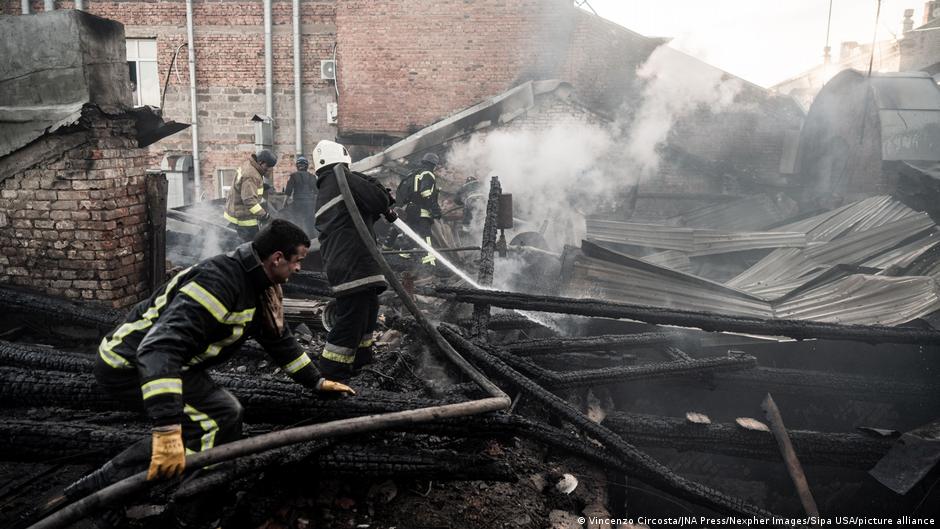
In the early hours of June 22, a Russian unmanned aerial vehicle (UAV) struck a residential high-rise in the Shevchenkivskyi district of Kharkiv, northern Ukraine, igniting a fire on the building's facade at the 22nd floor level. Kharkiv's mayor, Ihor Terekhov, reported the incident via Telegram, noting that around ten windows were shattered, and the fire was rapidly extinguished. Preliminary reports indicate no casualties from the strike.
Simultaneously, Russian forces launched a ballistic missile attack using an "Iskander" missile on a farming enterprise in the Odessa region. According to regional authorities, one person was killed and three others wounded in the strike. The attack caused a blaze involving vehicles and fuel tanks, and destroyed a warehouse facility. Emergency services are actively responding to the incident.
Implications for Digital Infrastructure and Security
While the immediate effects of these strikes are human and infrastructural, the conflict's ongoing escalation poses considerable risks to Ukraine's digital economy and fintech sectors. Urban drone attacks raise concerns about the vulnerability of critical infrastructure, including telecommunications networks and data centers often housed in residential or mixed-use buildings.
"The targeting of urban high-rise buildings by UAVs demonstrates evolving tactics that could disrupt digital services integral to modern banking and payments systems," says cybersecurity analyst Marina Kovalenko.
Ukraine's digital banking platforms and payment processors rely heavily on stable internet and power supplies. Damage to urban infrastructure can cause service outages, impacting millions of users and financial transactions daily. Additionally, missile and drone strikes near agricultural and industrial zones threaten logistical chains crucial for e-commerce and supply payments.
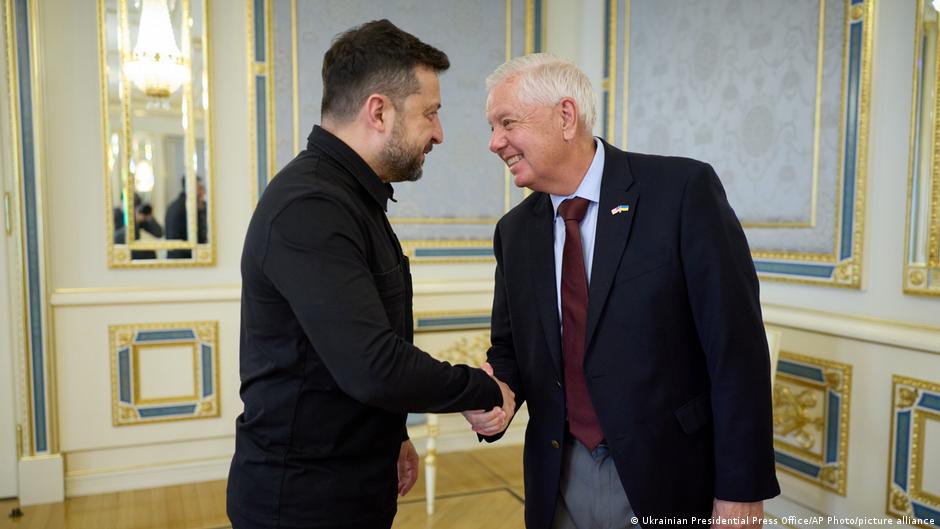
On a strategic level, President Volodymyr Zelensky announced Ukraine's procurement of 600 anti-aircraft missiles from Germany to bolster its aerial defense capabilities. This move may help reduce future UAV and missile incursions, safeguarding both physical and digital assets.
For investors and tech companies tracking the region, these developments underscore the critical intersection of geopolitical conflict and digital economy security. The fintech sector, particularly, needs to factor in enhanced cybersecurity measures and disaster recovery planning to mitigate operational risks in conflict zones.