Explosion at Moscow Restaurant Raises Security Concerns for Top Russian Military Figures
The death of Lieutenant General Igor Yerusalimov and others in a Moscow blast highlights potential risks to high-ranking officials amid ongoing conflict.
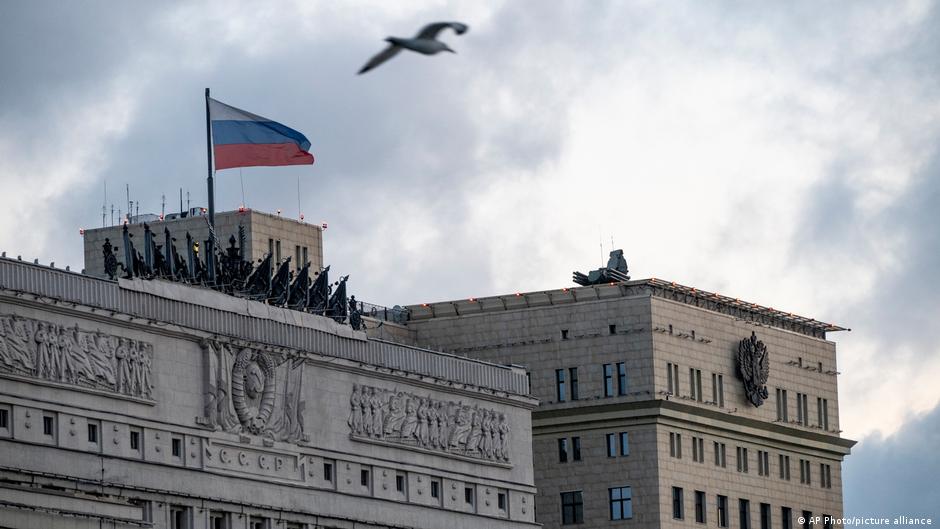
On August 5, Moscow authorities conducted a secret burial for Lieutenant General Igor Yerusalimov, a senior Russian military officer whose cause of death remains undisclosed. Speculation from the Telegram channel "VChK-OGPU" suggests that Yerusalimov may have died in the explosion at Balzi Rossi restaurant on August 1, an incident that has raised significant security alarms for Russian defense leadership.
Implications for Military Cybersecurity and Digital Risk Management
The explosion occurred during a private event at the Balzi Rossi restaurant near Kudrinskaya Square. Official reports confirm three fatalities and 21 injuries of varying severity, yet the identities of the victims are not publicly confirmed. Russian investigative sources indicate that a box carried surreptitiously by a woman detonated unexpectedly, sparking questions about insider threats and vulnerabilities to physical security protocols for high-ranking military personnel.
Notably, the event is linked to the close circle of Alexander Chaiko, the Commander-in-Chief of the Russian Aerospace Forces appointed only recently in May 2026. Ukrainian and Russian sources argue that Chaiko himself was the likely intended target, though he survived unscathed.
"The procession for the fallen general included honor guards flying flags of both the Aerospace and Ground Forces, underscoring the high military significance of the casualty," noted observers tracking the secretive funeral at Troekurovskoye Cemetery.
This incident underscores the growing risk environment for senior military officials, who are increasingly vulnerable not just to battlefield threats but to asymmetric attacks that could disrupt command and control.
From a fintech and digital economy perspective, the blast illustrates emerging security challenges in protecting sensitive military networks and digital identities. The targeting of senior military figures coincides with intensifying cyberwarfare and information operations linked to the ongoing conflict in Ukraine.
Furthermore, the aftermath includes the administrative erasure of victim Daniil Peredriy—identified as Chaiko's son-in-law—from official registries shortly after the explosion. Such rapid data manipulation raises questions about digital identity management and state-level control over personal data in crisis scenarios.
With the increasing integration of digital systems in defense logistics, communications, and personnel management, incidents like this highlight the need for robust cybersecurity frameworks and secure information channels to avoid exploitation by hostile actors.
The attack also sparks broader concerns about the safety of Russian defense leadership amid escalating tensions and targeted acts of aggression. Analysts suggest that unpredictable physical attacks combined with cyber intrusions could destabilize command infrastructure and impact military operations.
As Russian military and political technology ecosystems adapt to these realities, the convergence of physical security and cybersecurity will be essential to safeguarding critical personnel and sensitive information.
In conclusion, the tragic death of Lieutenant General Yerusalimov and the broader consequences of the Balzi Rossi explosion provide a stark reminder of the multifaceted threats facing military leadership, emphasizing the crucial intersection of digital security and physical protection in contemporary conflict environments.