Drone Attacks in Russian Regions Raise Concerns Over Infrastructure Security and Cyber Threats
Recent drone strikes in Russia's Kursk and Belgorod regions cause casualties and highlight vulnerabilities in regional security systems.
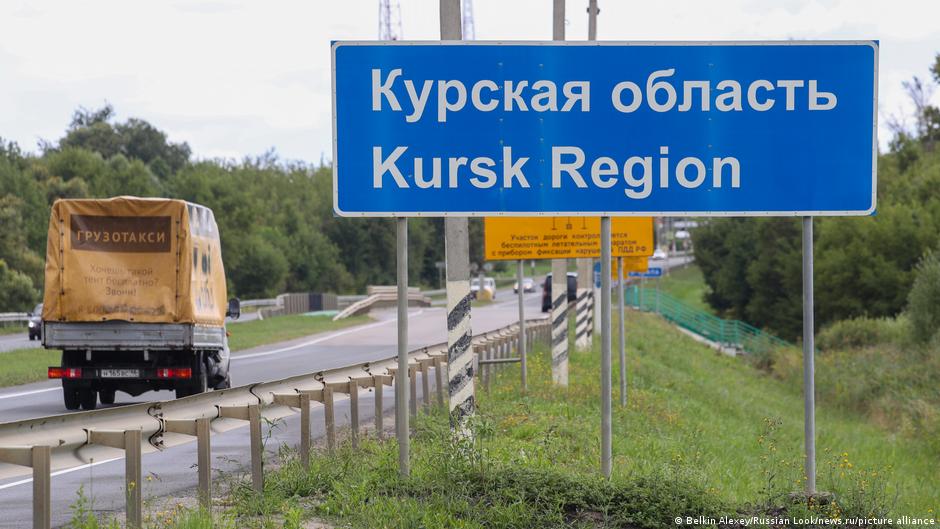
Drone strikes in Russia's Kursk and Belgorod regions have resulted in fatalities and injuries, underscoring emerging security challenges that intersect with concerns about digital and physical infrastructure vulnerabilities.
Drone Incidents Highlight Regional Security Risks
On August 5, a drone struck a private house in the village of Kozyrevka, Bolshesoldatsky District, Kursk Region, killing one person and injuring six others, according to regional authorities. Simultaneously, two individuals were wounded in drone attacks in the Shebekino district of Belgorod Region, including a fighter from the volunteer unit "Orlan." One of the injured also sustained mine-explosive trauma after a drone struck his vehicle.
These attacks illustrate the increasing use of unmanned aerial vehicles (UAVs) in conflict zones and raise questions about the resilience of critical infrastructure and the capacity of regional security systems to detect and neutralize such threats.
"The increasing deployment of drones in hostile actions highlights the urgent need for advanced detection and defense mechanisms," experts note.
In response to the threat, the mayor of Moscow, Sergey Sobyanin, reported the interception and destruction of three drones headed toward the capital on the night of August 6. No injuries or damage were reported from these thwarted attempts.
Meanwhile, the Yaroslavl region has issued travel advisories and temporarily restricted traffic toward Moscow due to heightened drone threat alerts, reflecting precautionary measures taken by regional authorities to mitigate risks.
Implications for Digital Security and Infrastructure Protection
These drone attacks not only pose direct physical threats but also have broader implications for cybersecurity and the digital economy, particularly in the fintech and digital banking sectors. As drones become more accessible and technologically sophisticated, their use in hostile actions can disrupt transportation, supply chains, and communications networks.
From a fintech perspective, the integration of digital payment systems and critical infrastructure heightens the importance of layered security protocols that can withstand both cyber and physical attacks. Financial institutions and digital service providers must consider the potential for drone-enabled disruptions, especially in regions where security is compromised.
Furthermore, the incidents underscore the need for investment in advanced drone detection technologies, cybersecurity frameworks, and coordinated response strategies that involve both public and private stakeholders. Tech companies specializing in AI-driven surveillance, secure communications, and cybersecurity stand to play a pivotal role in strengthening defenses against such hybrid threats.
The evolving nature of drone threats also impacts tech stock valuations as market confidence can fluctuate based on geopolitical and security developments. Investors are increasingly attentive to how companies involved in cybersecurity, AI, and defense technology perform amid rising security challenges.
In conclusion, the recent drone attacks in Russian regions highlight a complex security landscape where physical assaults intersect with digital vulnerabilities. Addressing these challenges requires a comprehensive approach involving technology innovation, infrastructure resilience, and cross-sector collaboration.