Russia Extends Sale of Lower-Grade Fuels Until 2027 Amid Energy Supply Crisis
The Russian government permits production and sale of Euro-2 to Euro-4 fuels until mid-2027 to address supply shortages triggered by infrastructure damage.
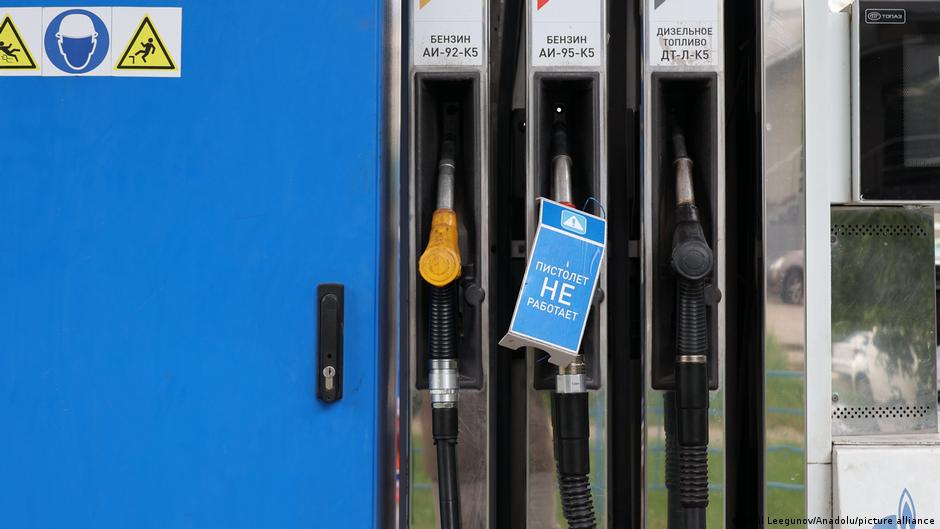
The Russian government has authorized the production and sale of lower environmental standard fuels—specifically Euro-2, Euro-3, and Euro-4 grades—until July 1, 2027. This measure aims to stabilize fuel availability during an ongoing energy supply crisis exacerbated by damage to key oil refining facilities.
The Ministry of Energy clarified that this decision is a temporary, crisis-response measure designed to balance fuel quality requirements with the urgent need to ensure sufficient fuel supplies for consumers. The ministry also announced plans to clearly display the ecological class of fuels at filling stations nationwide to inform consumers.
Context and Impact on Energy and Economy
The directive reverses a previous policy that had permitted only Euro-5 grade gasoline with low sulfur content until the end of 2026. The rollback to lower standards allows refineries to process crude oil with less complex refining technology, thus facilitating the use of capacities that cannot produce higher-grade fuels.
"This decision is temporary and part of anti-crisis measures to guarantee fuel availability while considering quality standards," said the Ministry of Energy.
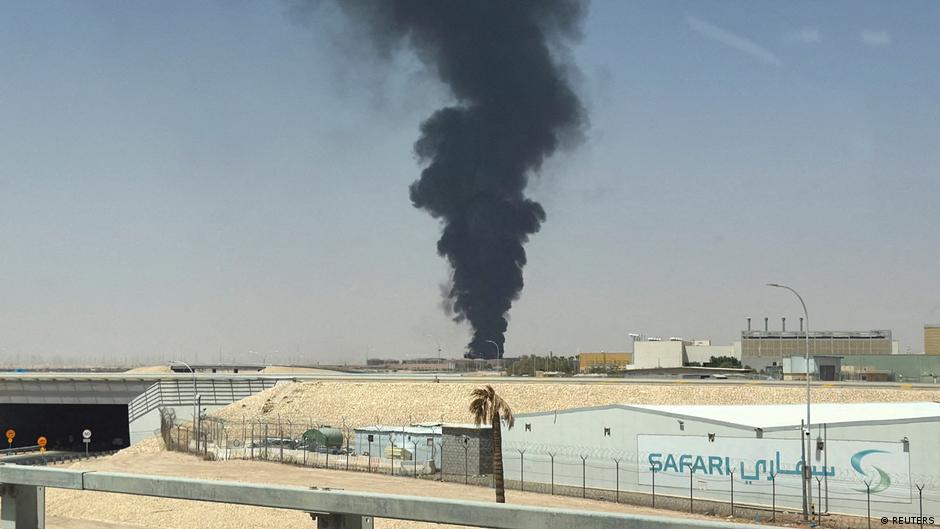
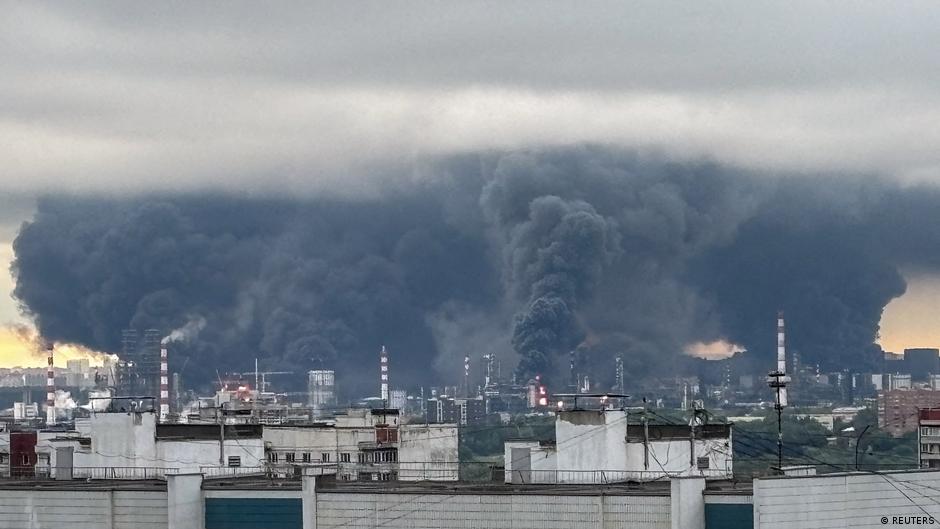
The move comes amid a deepening fuel crisis in Russia, triggered primarily by systematic attacks by Ukrainian armed forces on oil refineries and energy infrastructure. Notably, the Moscow-based Kapotnya refinery, which supplies approximately 40% of the capital's fuel, suffered two strikes within a week in late May and is expected to remain offline until late 2026 or early 2027.
According to Reuters data, Russian gasoline production dropped by 25% year-on-year in June 2026, producing 85,000 tons per day compared to the 110,000 tons daily demand during the summer. More than 40 regions have enforced fuel supply restrictions due to shortages.
Allowing lower-grade fuels is expected to increase gasoline production by hundreds of thousands of tons monthly, although this may not fully compensate for lost volumes. Industry experts caution that the use of such fuels in modern vehicles could pose safety and performance risks, given their higher pollutant levels.
Implications for Fintech and Digital Economy
The extension of lower-grade fuel sales has several implications beyond energy markets, particularly in fintech and digital economy sectors related to payments, supply chain logistics, and digital banking.
Firstly, disrupted fuel supplies and regional restrictions may accelerate the adoption of digital payment solutions at fuel stations, as operators seek to streamline transactions and manage variable inventory levels more efficiently. Enhanced transparency via digital platforms on fuel grades and availability can improve consumer trust and operational resilience.
Secondly, logistics companies reliant on fuel face increased operational risks, potentially increasing demand for fintech products such as dynamic payment systems, fuel cards, and real-time tracking platforms that optimize delivery routes and costs.
Finally, the ongoing energy infrastructure challenges could influence tech stock valuations, particularly companies specializing in digital energy management, cybersecurity for critical infrastructure, and alternative fuels technology. Investors may monitor how government policies balance fuel quality standards with supply stability amid geopolitical tensions.
As Russia navigates this fuel supply crisis, the interplay between traditional energy sectors and digital financial services will likely intensify, underscoring the need for integrated solutions that enhance both operational continuity and consumer protection.