Dual London Rallies Highlight Tensions with Potential Ripple Effects on Fintech Sector
Simultaneous ultra-right and pro-Palestinian marches in London reflect social divides that may impact the digital economy and payment systems.
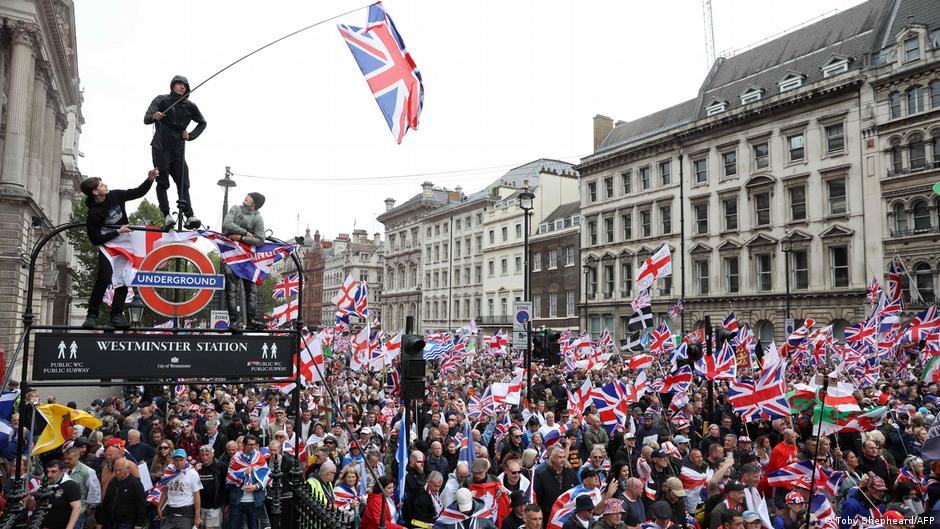
On May 16, London witnessed two large-scale public demonstrations occurring concurrently, drawing tens of thousands of participants. One rally was organized by ultra-right activists opposing immigration, while the other commemorated the Palestinian Nakba, marking the displacement of approximately 700,000 Palestinians in 1948 during the establishment of Israel.
Authorities reported that the combined number of demonstrators was in the tens of thousands, contrasting with organizers’ claims ranging from hundreds of thousands to millions. Despite the charged nature of the events and their coincidence with the English FA Cup final, the Metropolitan Police confirmed that the demonstrations remained largely peaceful, although 43 arrests were made across three related gatherings.
Implications for the Fintech and Digital Economy Landscape
While the rallies primarily addressed immigration and geopolitical issues, their broader social and political tensions may influence the UK's fintech environment and digital economic stability. The ultra-right march, led by activist Stephen Yaxley-Lennon (known as Tommy Robinson), criticized mass immigration and government policies under Prime Minister Keir Starmer. Starmer himself condemned the march's organizers for spreading division and hate speech.
Such politically charged environments can have direct and indirect effects on sectors like digital banking, payments, and cybersecurity:
"Social unrest and public polarization create an uncertain environment for fintech innovation and investment, potentially affecting user trust and regulatory responses," experts note.
Heightened social tensions may lead to increased cybersecurity risks, such as targeted attacks on digital infrastructure or misinformation campaigns affecting financial platforms. Moreover, shifts in public opinion and government policy linked to immigration debates could influence regulatory frameworks governing digital payments and crypto assets.
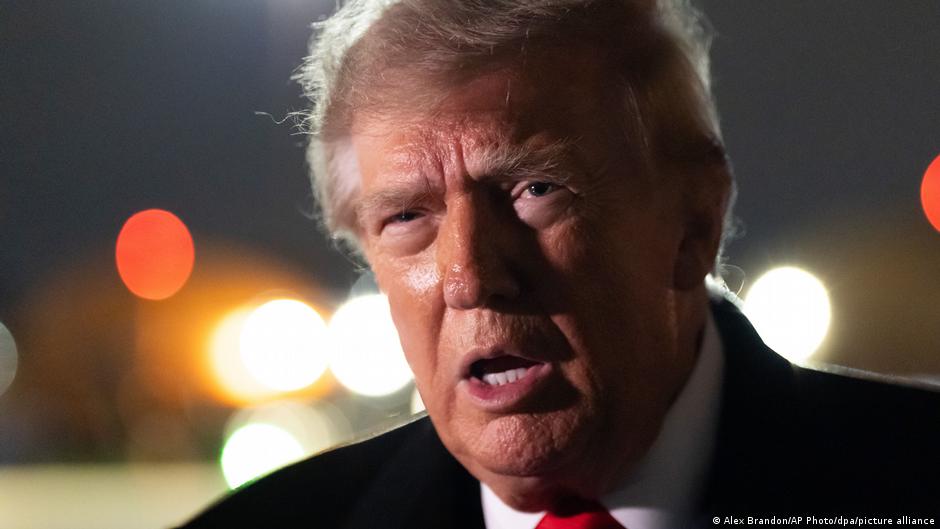
Additionally, the protests coincide with ongoing political dynamics involving figures like former US President Donald Trump and British politician Nigel Farage, whose recent electoral successes underscore a volatile political climate. This volatility can impact tech stocks as investors react to policy uncertainty and social unrest.
In summary, while the immediate focus of London's May 16 rallies was political and social, the ripple effects extend into fintech and digital economy domains, underscoring the interconnectedness of societal developments and technological sectors.