EU Leaders Prepare for Potential Talks with Russia Amid Geopolitical Uncertainty
European Union leaders coordinate strategies for possible negotiations with Russia, while geopolitical tensions impact global digital economy and fintech sectors.
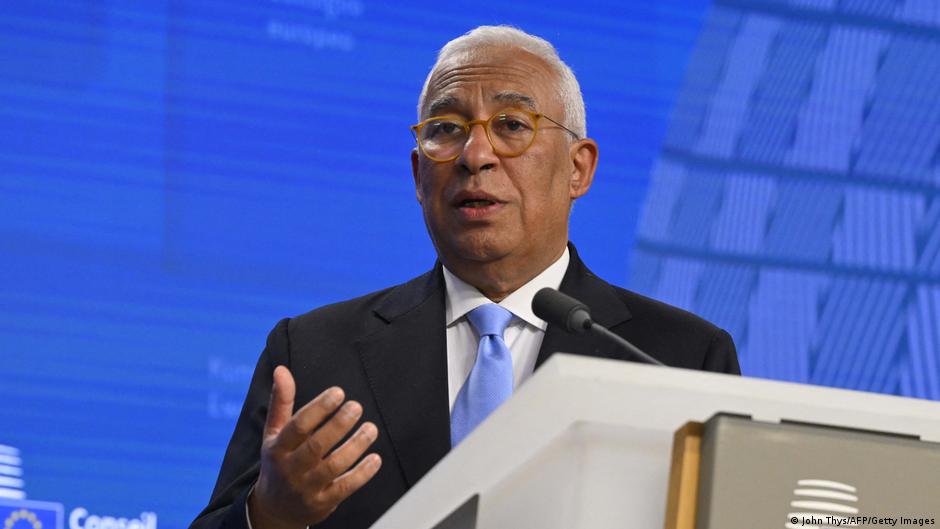
The President of the European Council, António Costa, has announced ongoing discussions with leaders of all 27 European Union member states to prepare for potential negotiations with Russia. Costa emphasized that although there is potential for dialogue, no clear indication of Moscow's readiness for meaningful talks has yet emerged.
Geopolitical Developments and Implications for the Digital Economy
Costa's remarks, delivered at the European University Institute in Florence, come amid a complex geopolitical landscape that affects various sectors including fintech, digital banking, and cybersecurity. As EU leaders strategize on how to engage with Russia, the digital economy is confronted with uncertainties stemming from potential shifts in political relations.
"There is potential to engage in serious discussions, but so far no signs of effective participation from Russia," Costa stated.
During the recent EU summit in Cyprus, Ukrainian President Volodymyr Zelensky called on European representatives to be ready to contribute positively to any negotiation efforts. Ukrainian officials have expressed the need for tighter coordination at the European level, positioning the EU as a potential leader representing collective interests in peace talks.
These diplomatic overtures coincide with an environment of heightened cybersecurity risks and regulatory scrutiny, as geopolitical tensions often trigger increased cyber threats against financial institutions and digital infrastructure across Europe and beyond. The fintech sector, reliant on cross-border transactions and digital payments, remains particularly sensitive to such geopolitical dynamics.
Last significant dialogue between European and Russian officials took place in early February 2026, when French presidential advisors visited Moscow to discuss possible EU participation in peace negotiations concerning the conflict in Ukraine. Reports indicated that Russia rejected these proposals, with sources citing President Putin’s stance that Russia is willing to engage only if other parties are equally committed to constructive dialogue.
Furthermore, interactions between Russian officials and French representatives have been reportedly strained, with the Financial Times reporting the use of profanities by Putin’s aide Yuri Ushakov during negotiations, reflecting the complexity of diplomatic engagement at this stage.
In parallel to EU-Russia dynamics, US special envoy Stephen E. Wittkoff plans to meet with Ukraine’s National Security and Defense Council Secretary Rustem Umerov in Miami. These talks mark the first formal dialogue between the two countries' representatives since the onset of the new conflict involving the US, Israel, and Iran, which has shifted focus away from earlier peace negotiation efforts.
According to Kirill Budanov, head of the Ukrainian presidential office’s negotiation team, despite historical maximalist positions, Moscow and Kyiv are gradually moving closer to a peace agreement, which could materialize sooner than expected.
The evolving geopolitical situation underscores significant implications for the fintech and digital economy sectors. Political instability often results in increased volatility in tech stocks, disruptions in cross-border payment systems, and escalated cybersecurity threats. Financial institutions and digital service providers are therefore urged to enhance resiliency and compliance mechanisms in anticipation of potential sanctions adjustments and regulatory changes arising from these diplomatic developments.