UK Grants Indefinite License to Import Russian-Origin Fuel Amid Rising Energy Costs
London permits import of diesel and kerosene refined from Russian oil in third countries, easing sanctions amid global energy supply pressures.
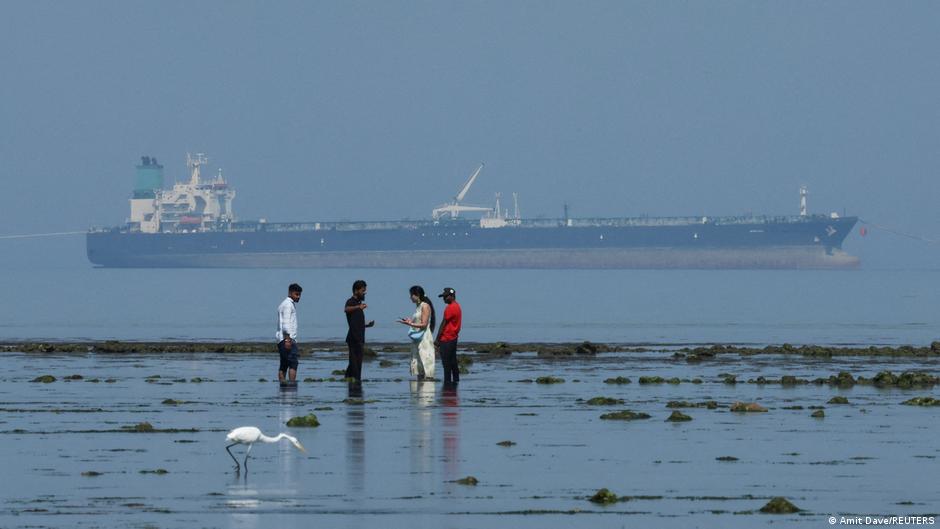
The United Kingdom has issued an indefinite license allowing the import of diesel fuel and aviation kerosene refined from Russian crude oil in third countries, a move set to take effect on May 20. This decision represents a significant shift in the UK's approach to energy imports amid soaring fuel prices and global supply disruptions.
Implications for Energy Markets and Fintech Payment Ecosystems
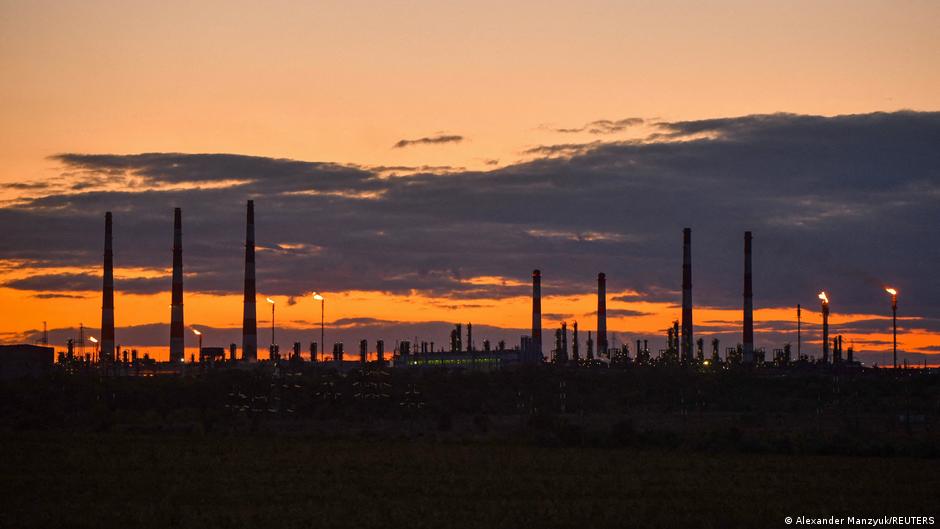
The UK government's license effectively permits the bypassing of existing sanctions on Russian oil products, which had been in place since 2022 following Russia's full-scale invasion of Ukraine. While this license does not have a fixed expiration date, it will be subject to periodic review to address ongoing geopolitical and market developments.
Energy prices in the UK have surged sharply, influenced by conflicts in regions such as Iran, which have disrupted supply chains. These pressures have translated into increased costs for consumers, amplifying the cost-of-living crisis. By allowing imports of Russian-derived refined products from third countries, the UK aims to stabilize fuel availability and prices.
Such regulatory changes also reverberate through the fintech and digital economy sectors, particularly in payments, digital banking, and commodity trading platforms. The expanded import license could lead to increased transaction volumes related to fuel procurement and logistics, necessitating robust cybersecurity and compliance frameworks to manage sanctions risks and fraud.
"The indefinite import license underscores the interplay between geopolitical tensions and energy security, compelling financial and tech sectors to adapt swiftly to evolving regulatory landscapes," analysts observe.
The UK’s decision follows a similar move by the United States, which extended its maritime license for the shipment and sale of Russian-origin oil and petroleum products on May 18. The US Treasury emphasized that this temporary license supports vulnerable countries affected by supply interruptions due to the Iran conflict.
Additionally, the UK has authorized maritime transport licenses for Russian liquefied natural gas (LNG) shipments until January 1, 2027, further signaling a pragmatic approach to energy security challenges despite ongoing sanctions regimes.
Despite the 2022 ban on Russian oil and coal imports and subsequent sanctions targeting Russia's so-called "shadow fleet," the UK's relaxation on refined product imports reflects the complexity of global energy markets and the need to balance economic and strategic interests.
Market analysts report that the combined effect of rising Russian oil product exports and elevated prices amid conflicts involving the US, Israel, and Iran have propelled Moscow’s revenue from petroleum exports to the highest levels since the war began. As of early May, weekly payments for these supplies averaged approximately $2.42 billion (2.07 billion euros).
With the Strait of Hormuz blocked, the US has opened certain markets for Russian oil, effectively easing sanctions and reshaping the global energy supply landscape. This regulatory environment also impacts digital commodity trading platforms and fintech firms involved in cross-border payments related to energy transactions, highlighting the sector's critical role in navigating sanctions compliance and payment security.