US-Iran Negotiations Resume Amid Tensions: Implications for Digital Economy and Cybersecurity
US-Iran talks resume August 3 with postponed strikes, impacting fintech, digital banking, and cybersecurity amid ongoing regional tensions.

US-Iran talks resume August 3 with postponed strikes, impacting fintech, digital banking, and cybersecurity amid ongoing regional tensions.

President Zelensky visits Washington where the US Senate will vote on new sanctions against Russia, underscoring rising geopolitical tensions impacting fintech and global payments.

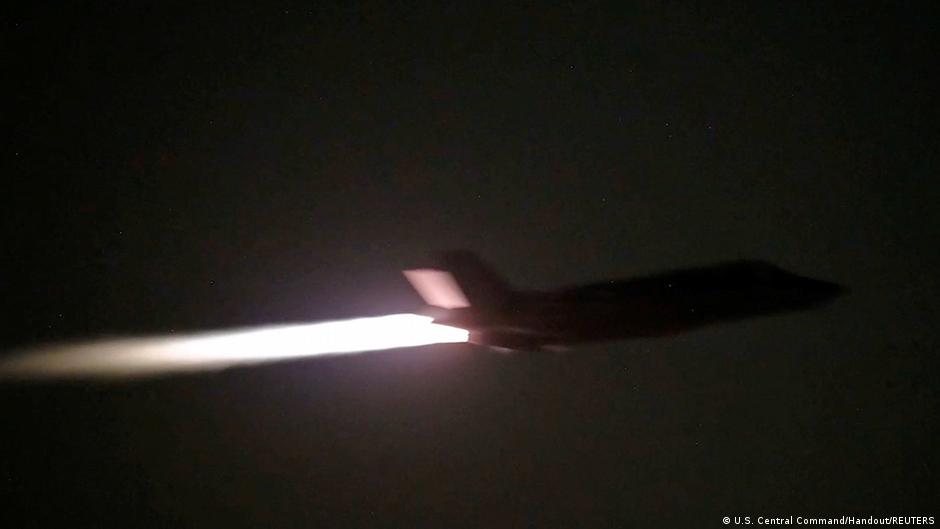
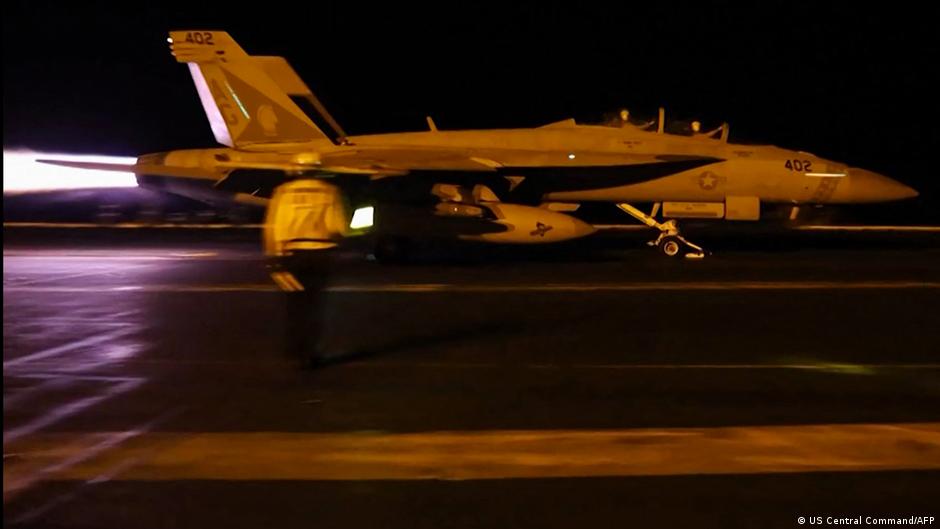
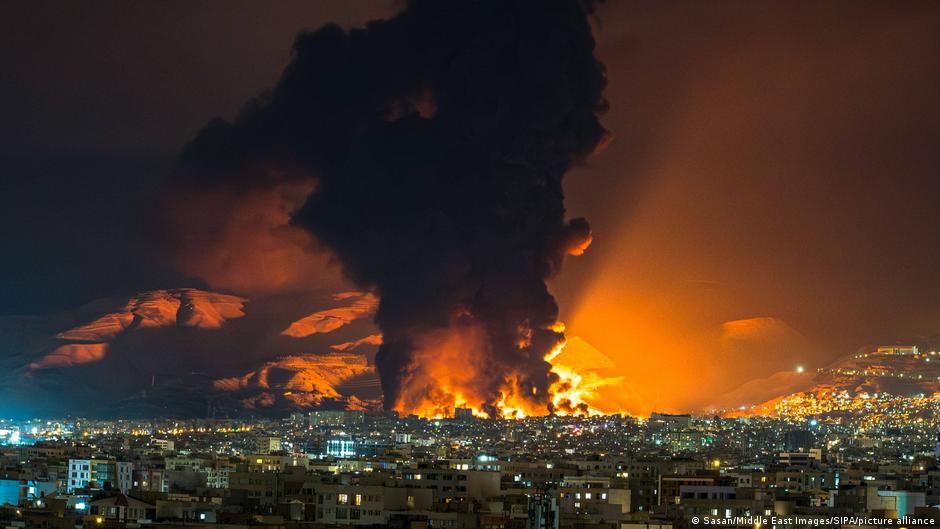
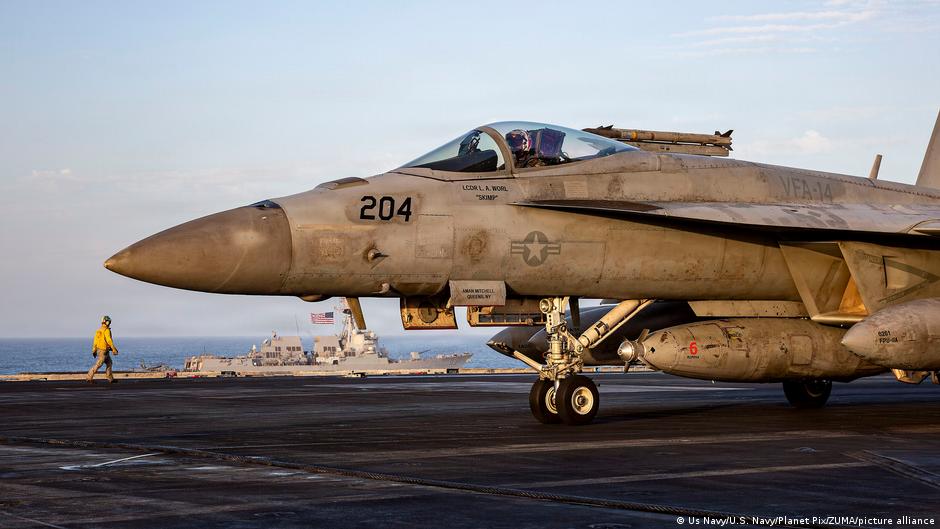
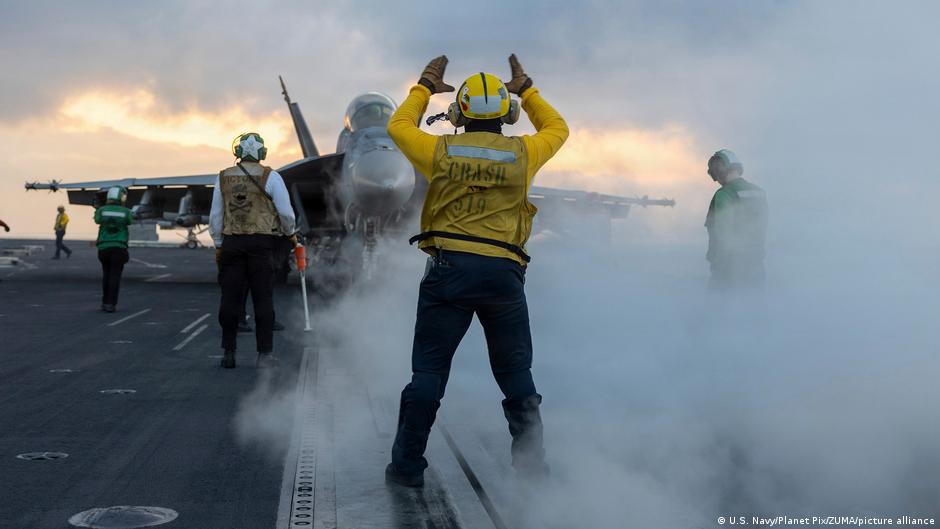
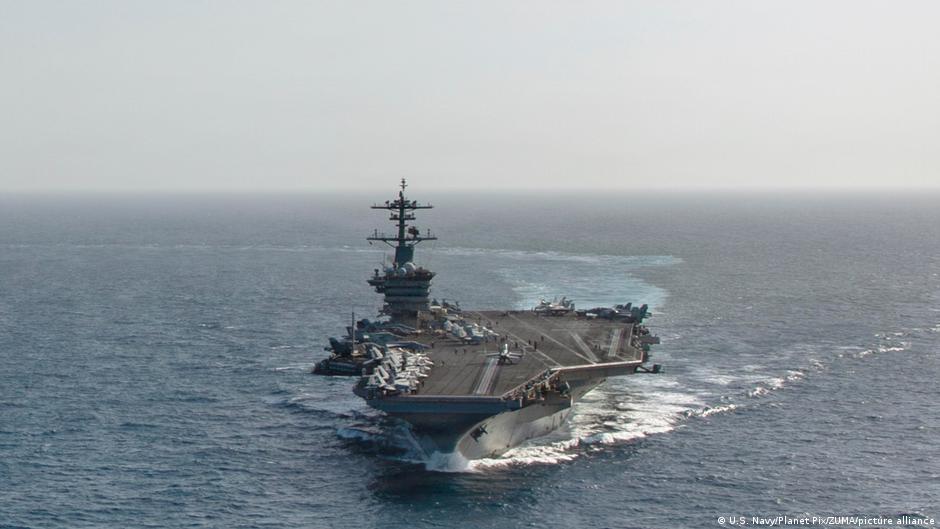
US forces continue 11th night of strikes on Iran, targeting military assets in a bid to secure Strait of Hormuz shipping lanes amid rising regional tensions.

US military strikes on Iran enter tenth day, targeting missile sites and air defenses, escalating regional tensions with implications for global trade, fintech, and cybersecurity.

US strikes on Iran continue for the ninth night, disrupting Gulf trade routes and impacting energy supply chains, with significant implications for fintech and cybersecurity sectors.

June 2026 saw the highest civilian casualties in Ukraine since the Russian invasion, highlighting escalating risks to the country’s digital economy and fintech infrastructure amid conflict.
The death of Iran’s Supreme Leader Ali Khamenei and subsequent regional tensions pose risks to digital banking, payments, and cybersecurity in the Middle East’s fintech sector.

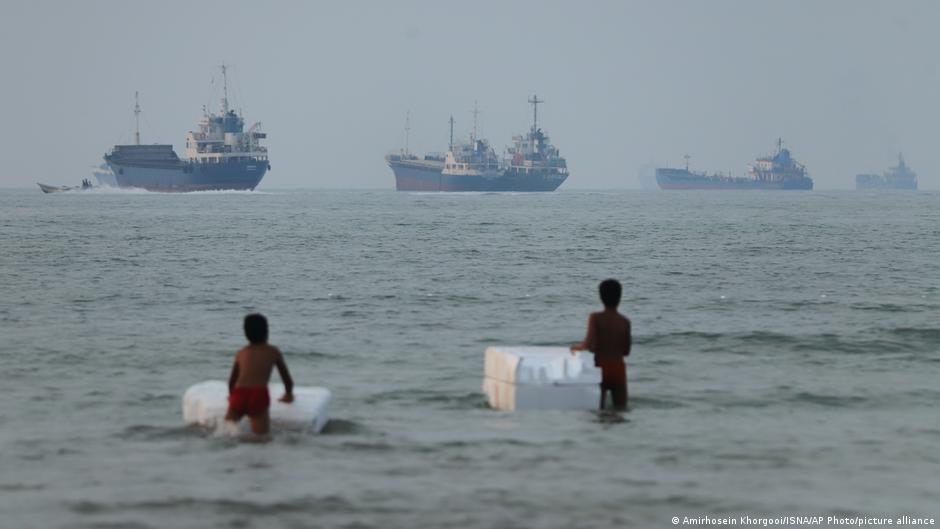
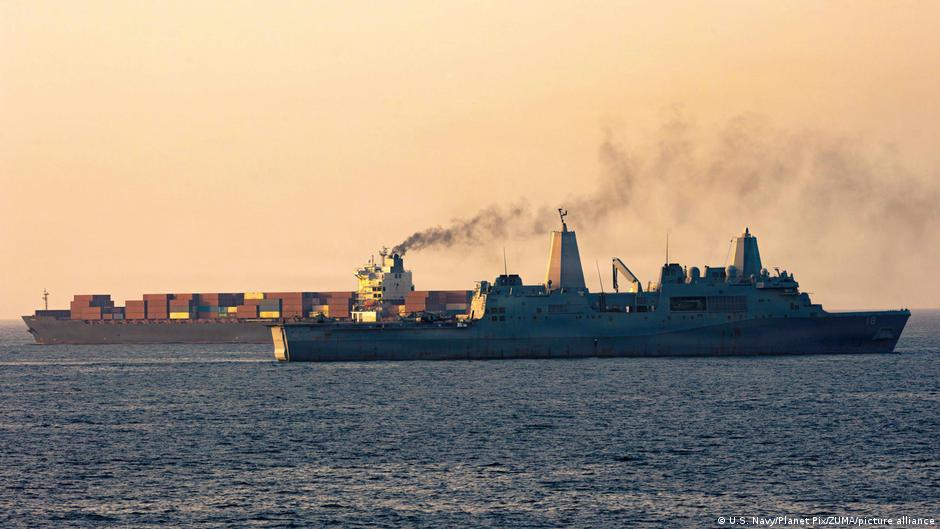
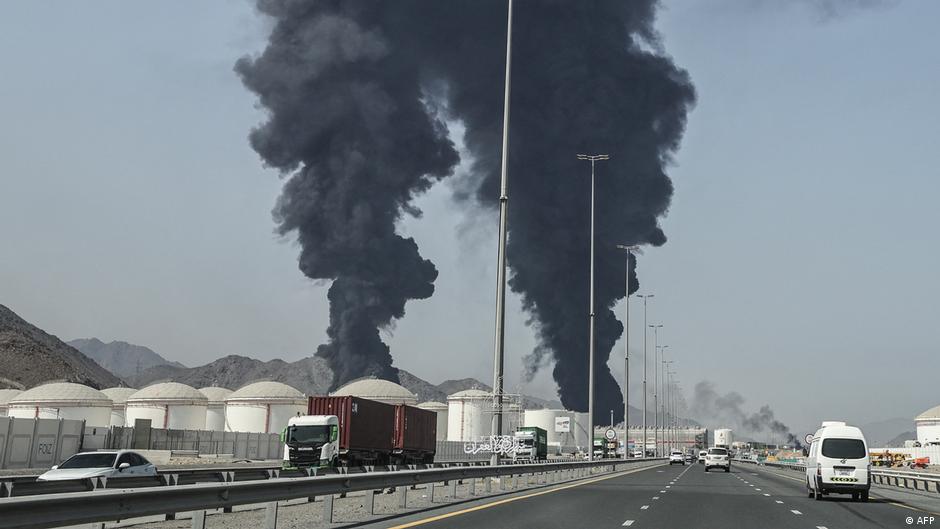
US military strikes on Iran target maritime infrastructure in the Strait of Hormuz, raising risks for global trade, energy markets, and fintech payment ecosystems amid escalating tensions.

US military strikes on Iran retaliate against tanker attacks in the Strait of Hormuz, raising risks for maritime trade, energy markets, and digital financial ecosystems.

German and US foreign ministers reaffirm the critical partnership to address global economic instability and strengthen cooperation ahead of key NATO and Mercosur summits.

The US and Iran agree to halt attacks until June 30 ahead of talks on reopening the Strait of Hormuz, impacting energy markets and fintech sectors.

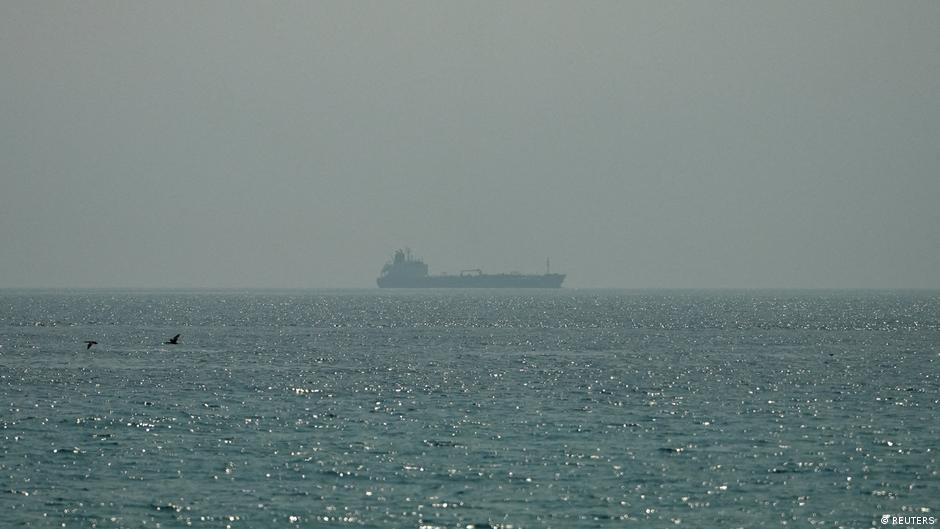
US air strikes targeted Iranian military sites following drone attacks on commercial tankers in the Strait of Hormuz, raising concerns over cybersecurity and digital trade risks.

US airstrikes on Iranian military sites followed Iran's drone attack on a commercial vessel in the Strait of Hormuz, escalating risks to maritime security and impacting global trade and fintech sectors.

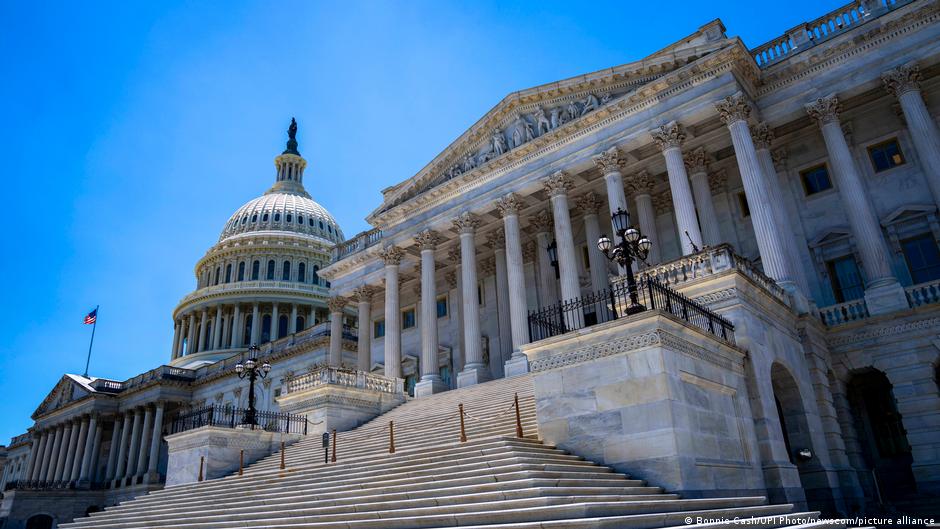
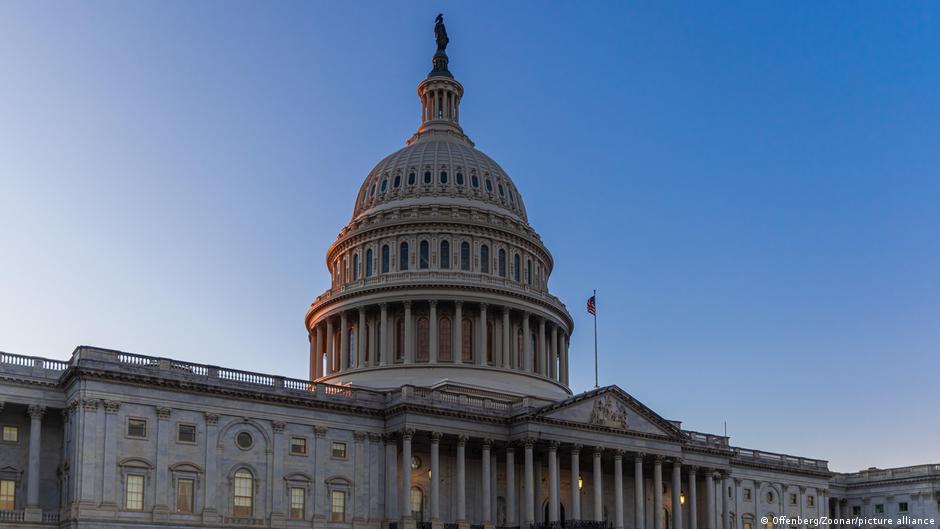
The US Senate approved a resolution urging troop withdrawal from Iran conflict zones amid peace talks, highlighting potential impacts on sanctions, digital payments, and fintech sectors.

The US and Iran agreed on a communication channel to prevent incidents in the Strait of Hormuz, aiming to finalize broader agreements within 60 days, impacting regional security and fintech sectors.

The US may impose fees on ships passing through the Strait of Hormuz amid Iran deal uncertainty, affecting energy trade and digital payment systems in a key maritime corridor.

US intelligence warns that Israeli Prime Minister Netanyahu may try to disrupt the US-Iran deal, raising concerns about regional stability and potential impacts on fintech and digital economy sectors.

US envoy Stephen Whitlock arrives in Switzerland to resume Iran nuclear deal talks amid regional conflicts affecting financial and digital economy prospects.

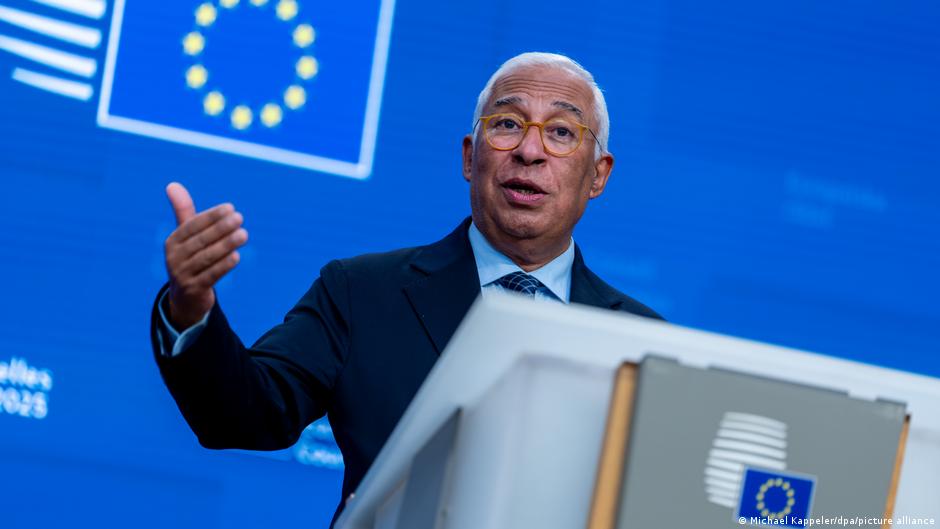
The EU has initiated discreet talks with Kremlin officials to prepare for future peace negotiations, a move that could impact digital economy sectors like fintech and cybersecurity.

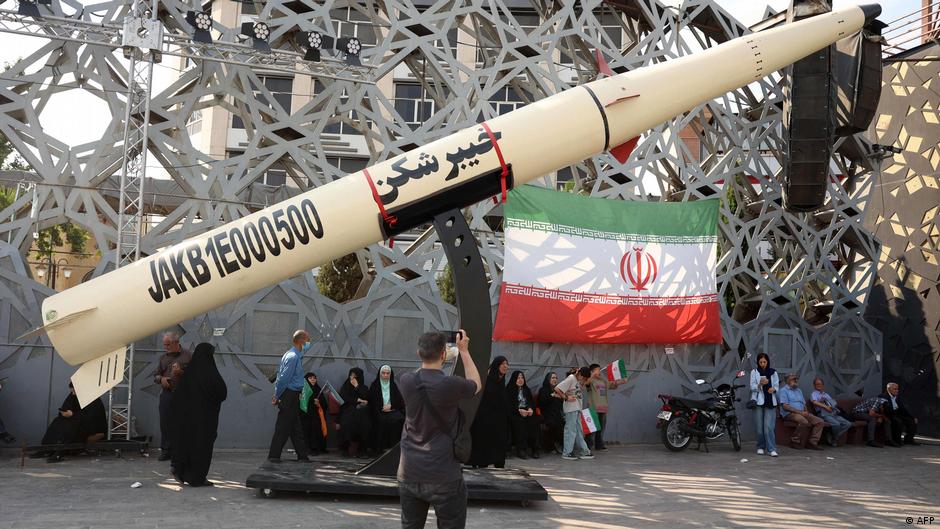
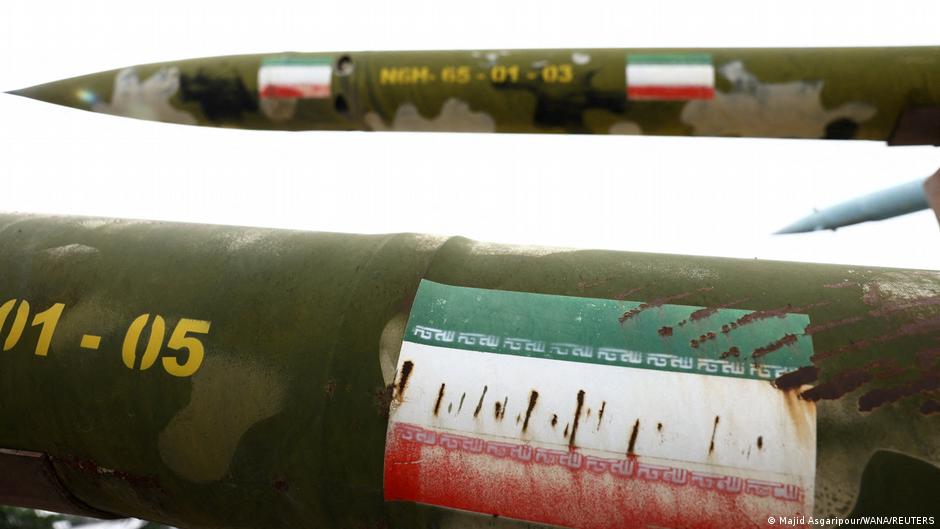
Iran has replenished its missile arsenal to three-quarters of pre-conflict levels, likely aided by Russian weapons transfers during a truce with the US, impacting regional security and energy markets.

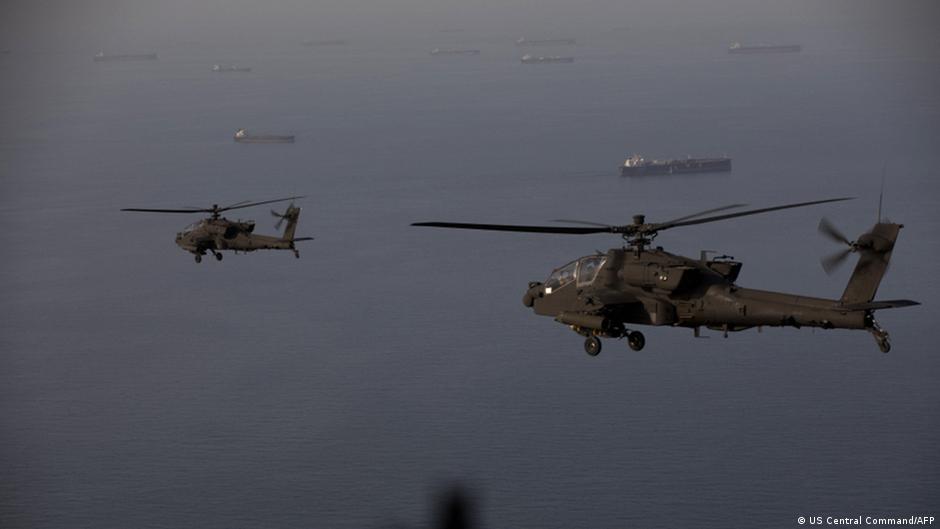
US forces struck Iranian air defenses after Iran downed a US Apache helicopter near the Strait of Hormuz, heightening regional security and financial market risks.

US Central Command intercepted four Iranian drones targeting the Strait of Hormuz, highlighting risks to maritime security and the technological dynamics shaping regional conflicts.

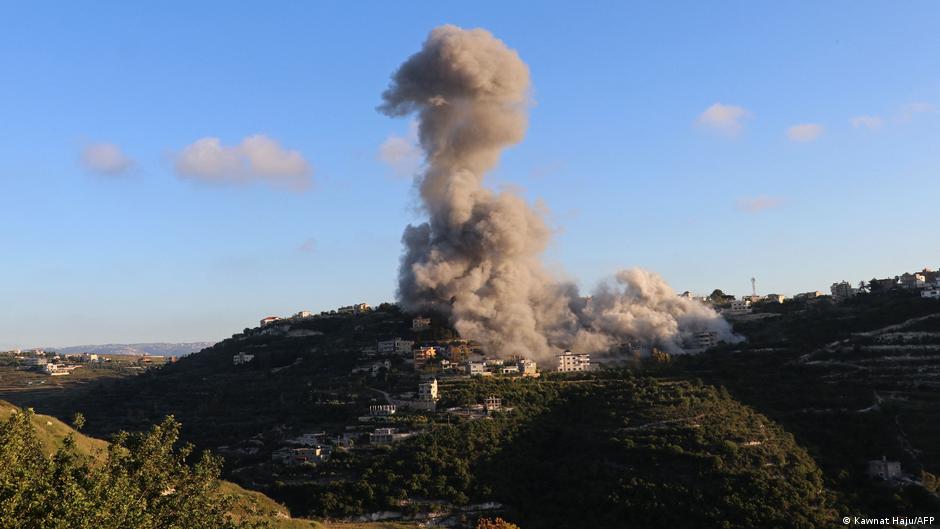
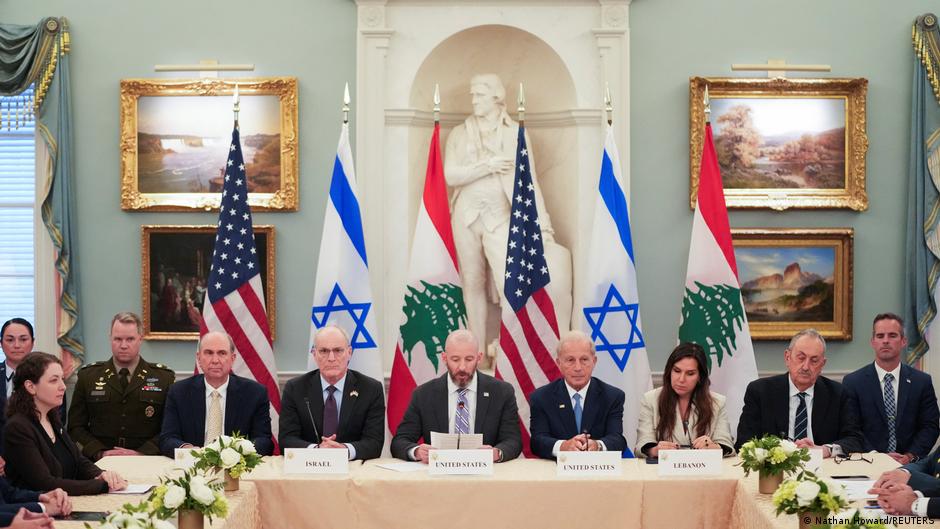
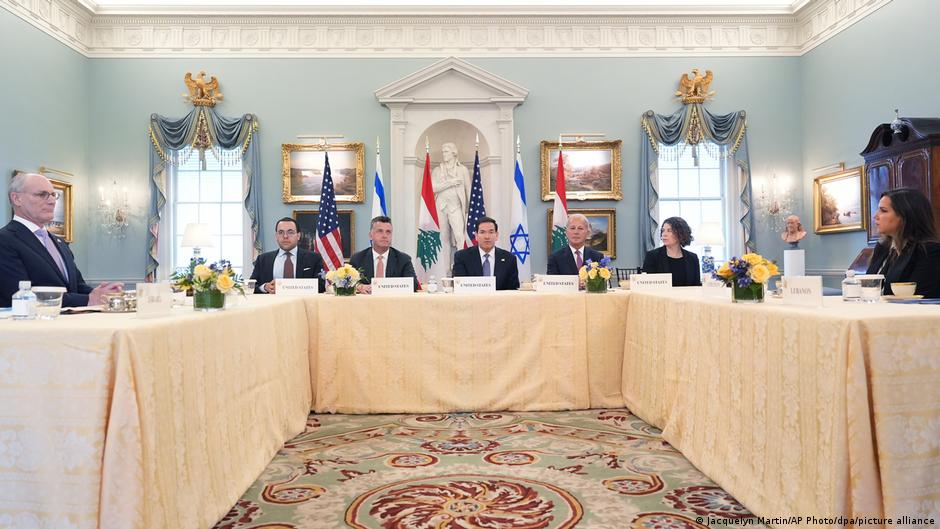
Israel and Lebanon, with US mediation, agreed on a ceasefire requiring Hezbollah’s withdrawal and new security zones, aiming to stabilize the region and support economic resilience.

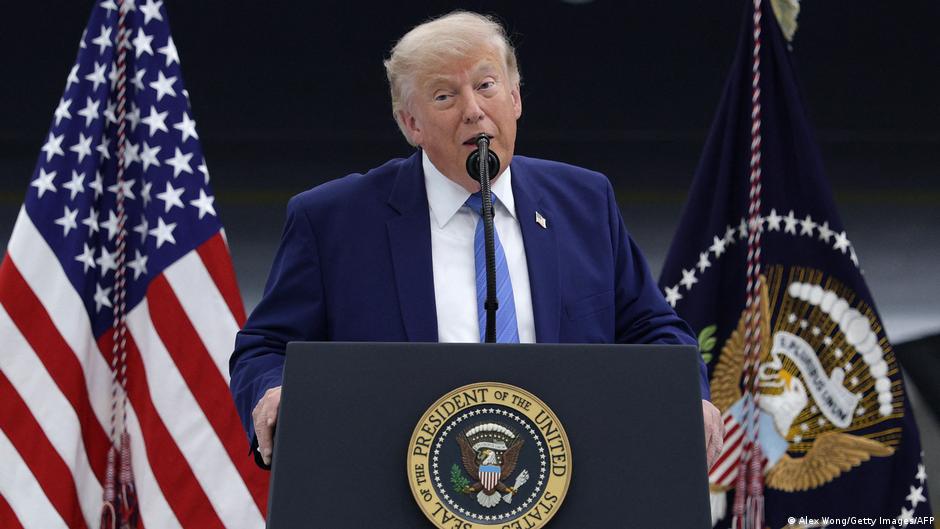
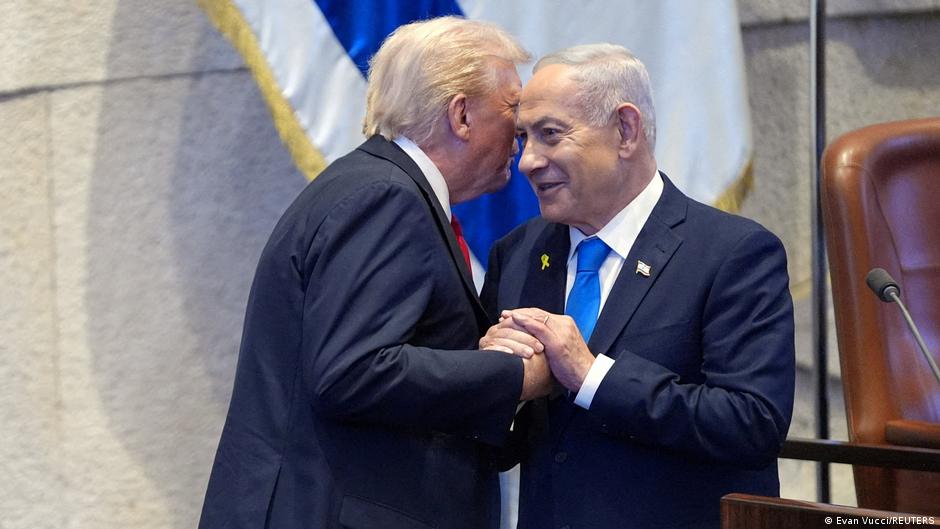
Donald Trump harshly criticized Israeli PM Netanyahu over Lebanon strikes, highlighting risks to regional stability and US diplomatic efforts amid escalating conflict.

The US disabled a Gambian-flagged vessel heading to Iran after repeated warnings amid ongoing blockade enforcement in the Strait of Hormuz, affecting regional trade and digital finance.

US military launched defensive strikes on Iranian missile sites and mine-laying vessels amid a fragile ceasefire, raising implications for fintech, cybersecurity, and tech stocks.

UN peacekeeping forces have fallen to their lowest levels since 2000 due to funding shortfalls and geopolitical tensions, threatening global conflict resolution efforts and impacting security across sectors.

The US Senate advanced a resolution requiring President Trump to seek Congressional approval for military action against Iran, impacting geopolitical stability and fintech sectors.

Donald Trump postponed a planned May 19 military strike on Iran after Gulf leaders intervened, as serious negotiations aim to prevent conflict and impact fintech sectors.

The UAE conducted secret military strikes on Iran’s oil facilities, escalating Gulf tensions and impacting regional economic and security stability amid ongoing drone attacks.

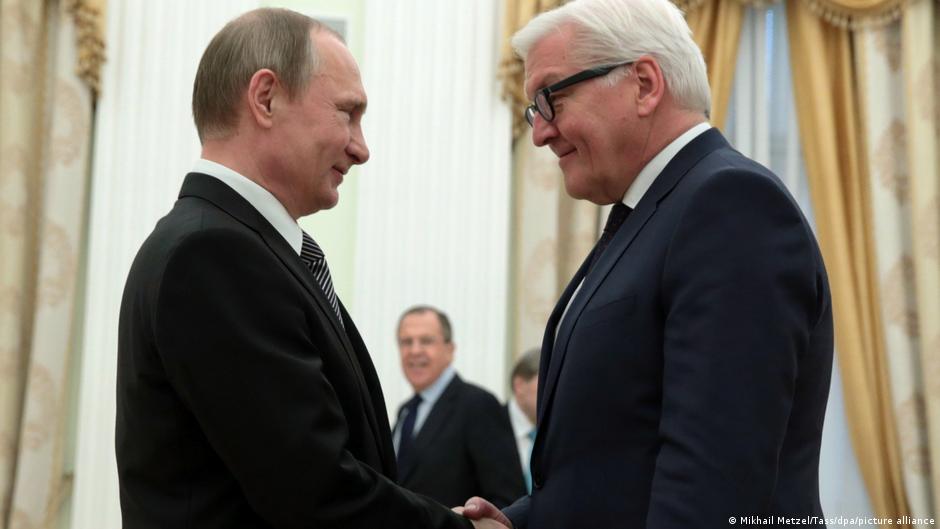
Germany considers President Steinmeier alongside ex-Chancellor Schröder to represent the EU in peace talks with Russia, a move with potential fintech and digital economy ramifications amid the Ukraine conflict.

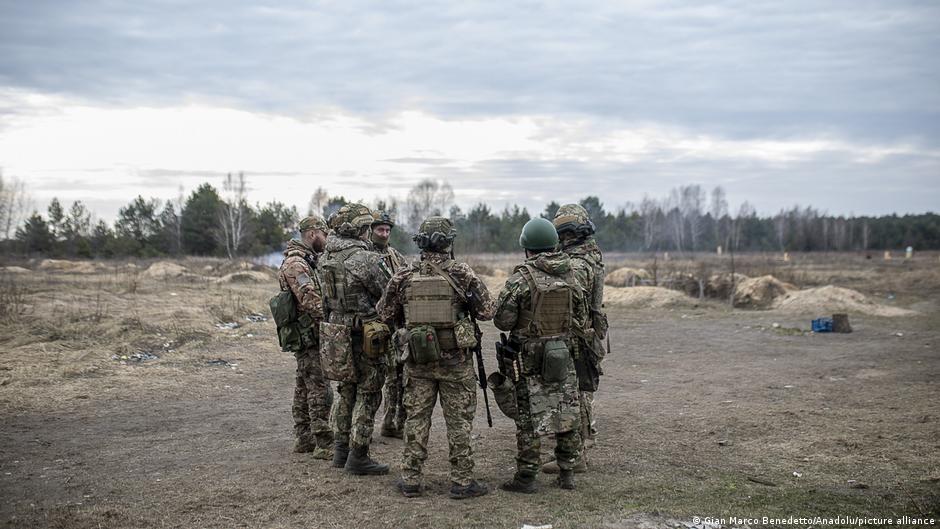
Russia and Ukraine use the May ceasefire for troop rotations amid ongoing hostilities, affecting military logistics and raising cybersecurity and digital communication concerns.

Russia continues military strikes across Ukraine despite Kyiv's ceasefire offer starting May 6, heightening regional instability and raising concerns for digital and fintech sectors.

Renewed Iranian missile and drone strikes on the UAE threaten regional security, trade routes, and the stability of the Gulf's burgeoning fintech and digital economy sectors.

Iran has submitted a 14-point peace plan to the US demanding sanctions relief and naval guarantees, with significant implications for fintech, digital payments, and regional stability.

Italy and Germany call for adherence to international law after Israel intercepts a humanitarian flotilla bound for Gaza, highlighting challenges in aid delivery and digital economy impacts.

Israel detains humanitarian aid ships to Gaza, revealing digital communication disruptions and prompting fintech and cybersecurity concerns amid maritime blockades.

The US stops sending negotiators to Pakistan for talks with Iran, shifting to secure digital communications amid ongoing ceasefire discussions in the Middle East.

The US-mediated truce extension between Israel and Lebanon offers potential stability to enhance fintech and digital economy growth in the region.

US forces seized an Iranian cargo ship in the Gulf of Oman, escalating tensions and impacting regional fintech, digital payments, and cybersecurity amid ongoing maritime conflicts.

Trump rejects NATO help securing Strait of Hormuz, calling alliance ineffective. European nations lead peaceful mission to protect vital shipping lanes amid Middle East tensions.

Germany authorized millions in arms exports to Israel during its conflict with Iran, raising issues around export restrictions and implications for defense and fintech sectors.