Russia and Ukraine Rotate Troops Amid Ceasefire, Raising Security and Digital Communications Concerns
Both Russia and Ukraine use the May ceasefire to rotate troops and prepare offensives, impacting military logistics and digital communications security.
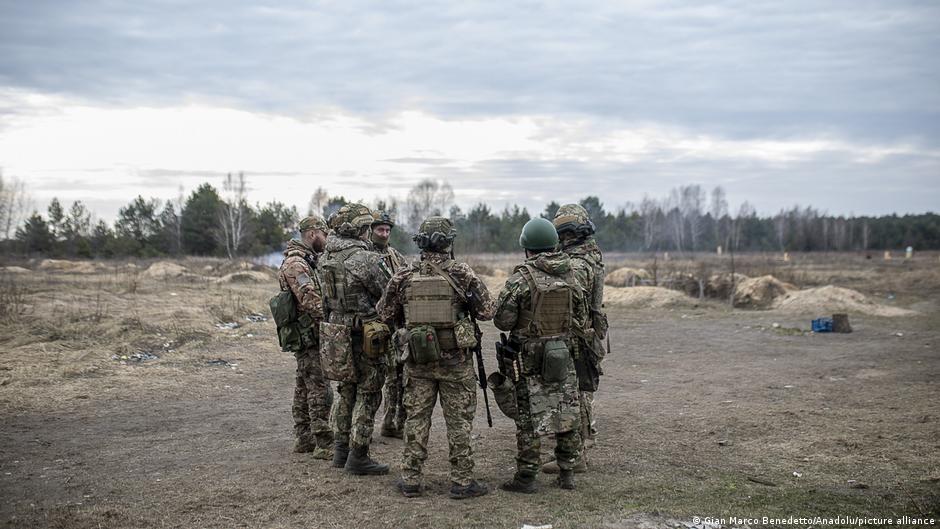
On May 9, both Russian and Ukrainian armed forces engaged in troop rotations during a temporary ceasefire, which was intended to last from May 9 to May 11. The ceasefire was announced by then US President Donald Trump as part of an effort to facilitate a prisoner exchange and pause hostilities, yet military activity and preparations continue to challenge the stability of the truce.
Ceasefire Used to Reorganize and Strengthen Forces
According to Victor Tregubov, spokesperson for the Ukrainian Joint Forces Group, the Russian military has largely paused offensive operations during the declared ceasefire, utilizing this pause to rotate units, resupply, and restore their offensive capabilities. He noted that the Ukrainian military is also taking advantage of this period to optimize logistics and troop rotations to enhance their readiness.
"They are currently silent. At this moment, they are using the pause for rotations, resupply, and to renew their offensive capabilities," Tregubov stated during a Ukrainian televised marathon.
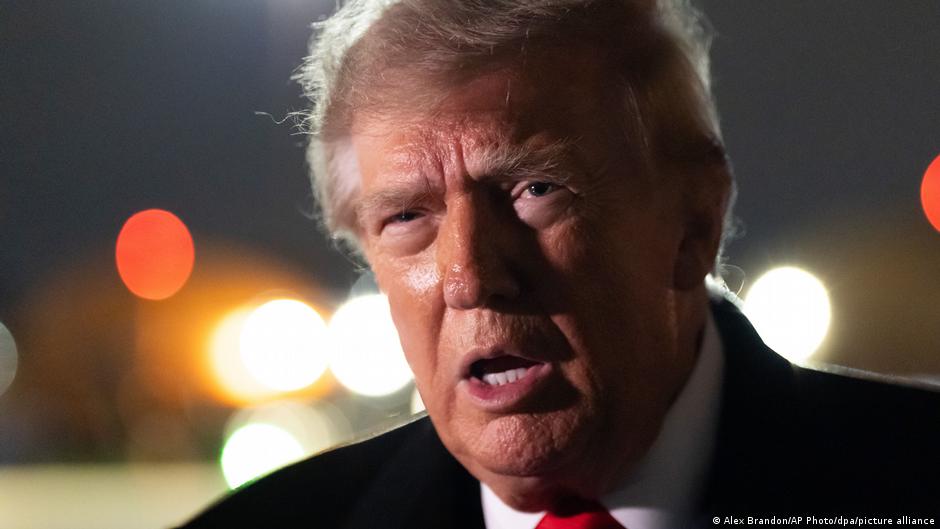
The ceasefire was proposed by Donald Trump on the evening of May 8, aiming not only to halt fighting but also to enable a prisoner swap reportedly involving 1,000 detainees on each side. However, Russian President Vladimir Putin later questioned the feasibility of the exchange, citing Ukraine’s reluctance to accept Russia’s list of 500 Ukrainian soldiers proposed for release. Kremlin aide Yuri Ushakov confirmed that prisoner lists are still being compiled and that hostilities would resume after May 11.
Ongoing Hostilities and Digital Security Implications
Despite the partial ceasefire, both sides have accused each other of violating the truce. The Russian Ministry of Defense accused Ukrainian forces of drone attacks and attempts to storm Russian positions in occupied Ukrainian territories. Meanwhile, the Ukrainian General Staff reported that Russian forces conducted 121 attacks on Ukrainian territory as of May 9 evening, including shelling border areas in Sumy region.
This ongoing volatility has significant implications for military communications and cybersecurity. The need to conduct rapid troop rotations and logistics adjustments relies heavily on secure digital communication networks and real-time data exchange. Both sides likely leverage advanced cyber capabilities to protect their operations and intercept adversary communications, heightening the cyberwarfare dimension of the conflict.
Furthermore, the partial ceasefire period underscores the challenges in securing digital payment systems and financial transactions related to military logistics and aid deliveries. Disruptions or breaches in these systems could delay crucial supplies and impact the broader digital economy in the region.
As hostilities continue alongside diplomatic efforts, the conflict remains a crucial case study in how modern warfare integrates conventional military tactics with cybersecurity, digital banking security, and information warfare, emphasizing the critical role of fintech and digital infrastructure resilience.