Lukoil’s Nizhny Novgorod Refinery Halves Output After Ukrainian Drone Attack
Ukrainian drone strikes force suspension of over half of the refinery’s primary processing capacity, impacting Russia’s oil production and fuel supply.
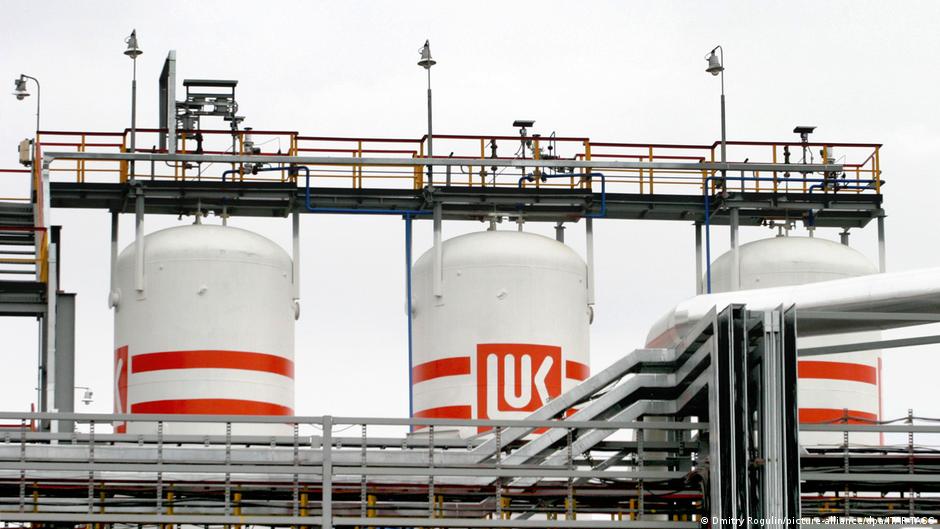
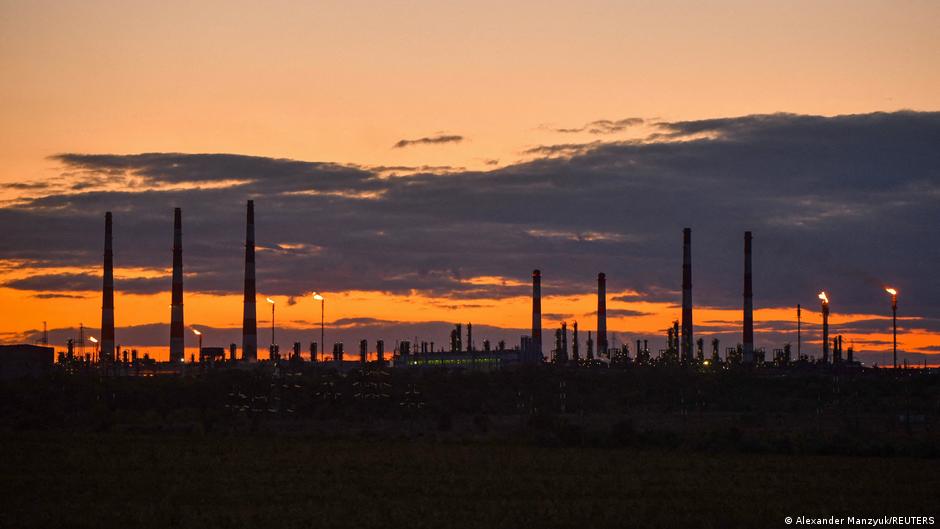
One of Russia’s largest oil refineries, Lukoil’s Nizhny Novgorodnefteorgsintez (NORSi), has significantly reduced its operational capacity following Ukrainian drone attacks on May 20, industry sources reported. The refinery, located in Kstovo, Nizhny Novgorod region, halted its primary processing unit, impacting over half of its total refining throughput.
Impact on Refinery Operations and Fuel Production
According to sources cited by Reuters, the drone strikes targeted the AVT-6 primary processing unit, which accounts for 53% of NORSi’s capacity — approximately 25,700 tons per day. Before the attack, the refinery processed up to 16 million tons of crude oil annually, or roughly 320,000 barrels per day, making it the fourth-largest refinery in Russia and the second-largest gasoline producer.
The plant’s shutdown follows a similar incident in early April, when drone strikes also caused operational disruptions. Local authorities have remained reserved in confirming details, although open-source intelligence and media reports corroborate the occurrence of fires and production halts at the facility.
"The suspension of the primary processing unit represents a critical blow to the refinery’s output and Russia’s fuel supply chain," industry insiders noted.
These attacks have led to a broader disruption across key refineries in central Russia. Official data and anonymous sources reveal that nearly all major oil refineries in this region have either halted or curtailed production, resulting in a combined output loss exceeding 83 million tons annually, or about 238,000 tons daily. This reduction corresponds to approximately a quarter of the nation's refining capacity, impacting over 30% of gasoline and 25% of diesel fuel production.
Broader Implications for Energy and Digital Economy Sectors
The disruption at NORSi and other refineries not only affects Russia’s traditional energy market but also has downstream effects on the financial and digital economy sectors, including fintech and digital payments. The volatility in fuel supply can lead to fluctuations in energy prices, influencing commodity trading platforms and the valuation of energy-related tech stocks.
Furthermore, the increased reliance on drone technology in modern warfare highlights evolving cybersecurity challenges. Energy infrastructure, increasingly integrated with digital control systems and IoT devices, faces heightened risks from cyber-physical attacks. This evolution underscores the importance of robust cybersecurity measures to protect critical assets and ensure stability in digital banking and payment ecosystems that depend on uninterrupted energy supplies.
Market observers also note potential ripple effects in cryptocurrency markets and fintech solutions tied to energy trading, as uncertainty in supply chains can drive speculative activity and impact transaction volumes across digital platforms.