Putin's Inner Circle Warned Against Internet Restrictions Amid Economic Concerns
Russian elites express growing discontent over internet blocks and their negative impact on the economy and public sentiment.
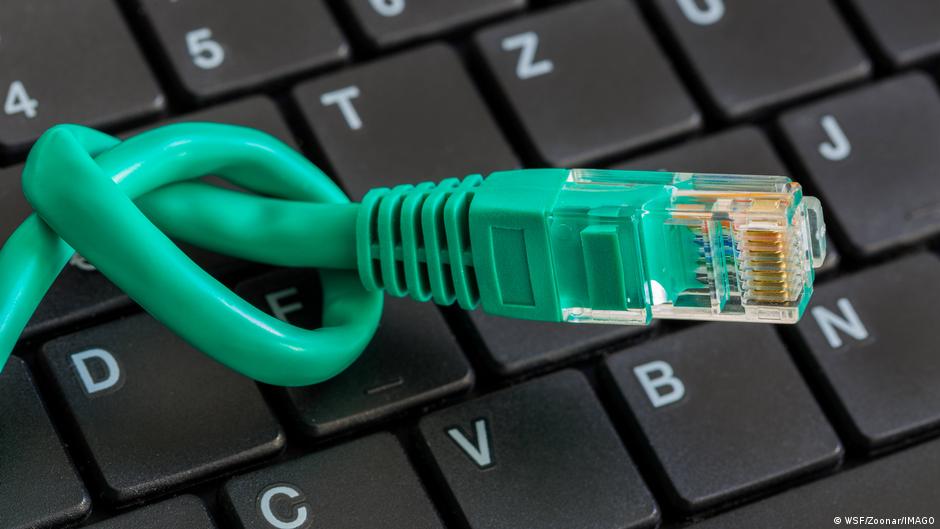
Senior officials close to Russian President Vladimir Putin attempted to dissuade him from implementing stricter internet restrictions scheduled to intensify in 2025, citing concerns over their detrimental effects on the economy and social mood. This internal resistance highlights rising tensions within the Kremlin's elite regarding the digital governance approach in Russia.
Economic and Social Impact of Internet Restrictions
The proposed internet shutdowns and increased digital controls are projected to inflict multibillion-dollar losses on Russian businesses, stirring alarm among influential circles. According to unnamed insiders, Putin's press secretary Dmitry Peskov and the first deputy head of the presidential administration Sergey Kiriyenko were among those advising against imposing harsher online constraints.
These internet disruptions are part of a broader wave of digital limitations that began intensifying in 2025, closely linked to the Kremlin's efforts to consolidate control over information amid the ongoing conflict with Ukraine. The measures have been championed primarily by the FSB's Second Service, which received carte blanche from the Kremlin to enforce extensive digital censorship and surveillance policies.
"Initially mocked as a symbol of censorship, China's internet control model is now discussed among Russian elites with a degree of envy," said a source familiar with Kremlin deliberations.
The comparison to China underscores a significant shift in Russia’s approach to digital governance, moving from skepticism to reluctant admiration of authoritarian internet control mechanisms.
Broader Socioeconomic Discontent and Digital Policy
Experts note that the crackdown on internet freedom coincides with other unpopular government policies, including tax hikes, rising costs of living, and controversial agricultural practices such as mass livestock culling in Siberia. Collectively, these actions have fueled growing dissatisfaction among Russian citizens, disrupting the tacit social contract that allowed many to overlook the war's impact on daily life in exchange for relative domestic stability.
Public opinion metrics reflect this unrest. In April, government-controlled polls registered a 15-year low in the population's overall happiness index alongside the lowest trust rating for Putin since the war began. The subsequent revision of polling methodologies by state statisticians temporarily improved the president's approval ratings, though digital restrictions remain a contentious issue.
Putin has justified the internet blocks as necessary for national security, emphasizing the threat environment amid the military conflict. Nevertheless, the economic fallout and public dissatisfaction raise questions about the long-term viability of these policies, especially as fintech and digital economy sectors face disruption.
Implications for Russia's Digital Economy and Fintech Sector
The intensification of internet censorship risks hindering the development of Russia’s fintech and digital banking industries by restricting access to global platforms, impairing cybersecurity cooperation, and dampening investor confidence in tech stocks. Increased digital isolation could also stifle innovation and exacerbate economic losses incurred from the broader geopolitical tensions.
As the Russian government doubles down on controlling online spaces, industry experts warn that the country’s positioning within the global digital economy may weaken, further complicating the evolution of payment systems, cryptocurrency adoption, and digital financial services.