US Imposes Up to 100% Tariffs on Imported Drones and Critical Components
New tariffs target drone imports to enhance national security and reduce reliance on foreign tech supply chains.
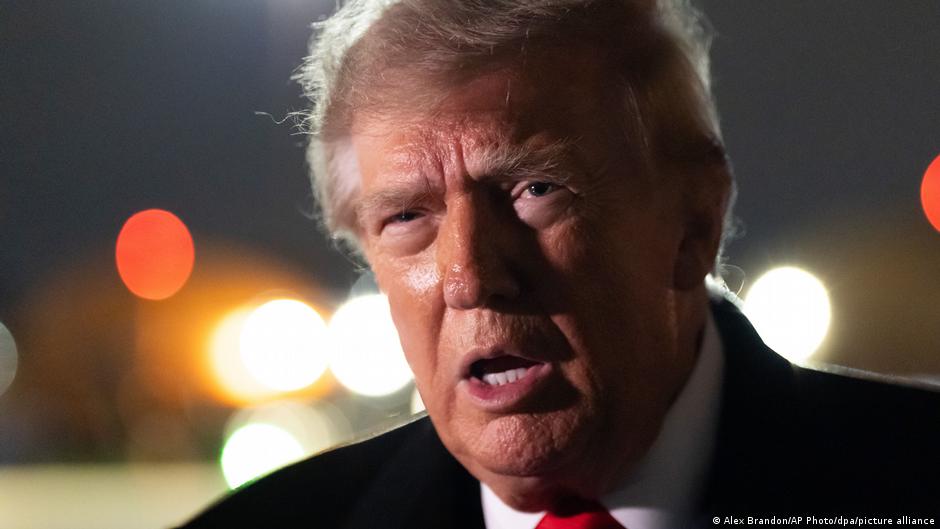
On August 13, 2025, US President Donald Trump signed a proclamation imposing tariffs on imported drones and their critical components, marking a significant policy shift aimed at strengthening national security and domestic drone manufacturing capabilities.
Tariffs Designed to Address Security and Supply Chain Risks
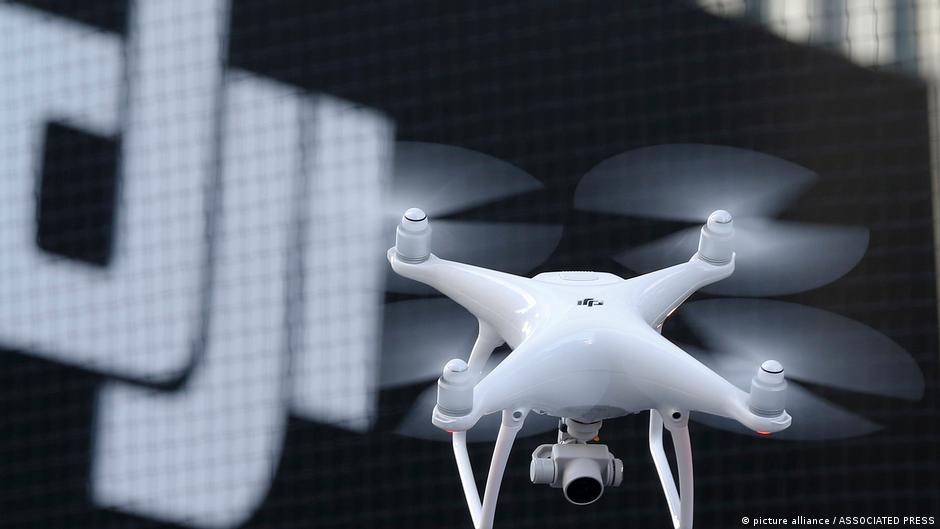
The tariffs introduce a 100% duty on drones with a maximum takeoff weight exceeding 25 kilograms and equipped with thermal imaging systems, as well as on associated docking stations and certain key components essential for these unmanned aerial vehicles (UAVs). For drones weighing 25 kilograms or less, a 25% tariff will apply.
Notably, imports of drones and components from the European Union, Japan, South Korea, Switzerland, Taiwan, and Liechtenstein are subject to a reduced tariff rate of 15%, while products from the United Kingdom incur a 10% tariff. These rates come into effect 21 days after the proclamation's signing, with less critical components facing tariffs 180 days later.
"Drones represent a pivotal technology in modern conflicts and are essential for current and future US military operations. Dependence on foreign suppliers for critical drone components poses significant national security and cybersecurity risks," the White House statement explained.
This move reflects growing concerns over supply chain vulnerabilities and foreign influence over drone technology, which plays an increasingly critical role in defense and intelligence operations.
Impact on Fintech, Digital Economy, and Tech Supply Chains
The tariffs are expected to have broad implications beyond defense, particularly in the fintech and digital economy sectors reliant on advanced drone technologies for applications such as logistics, infrastructure inspection, and data collection. Disruptions in drone supply chains can affect payment platforms, digital banking operations, and cybersecurity frameworks that leverage drone data.
Industry observers note that the dominance of Chinese manufacturers in the global drone market has prompted US policymakers to curtail reliance on foreign drone components. Recent reports highlighted instances where UK naval reconnaissance drones transmitted data back to China due to installed Chinese parts, raising cybersecurity alarms.
Furthermore, investigations have revealed that China has been supplying drones to Russia through third-party countries such as Thailand, with imports valued at $125 million over 11 months in 2025. China has simultaneously reduced exports of key drone components to western buyers while increasing shipments to Russia, exacerbating geopolitical tensions.
For digital economy stakeholders, the tariffs may catalyze increased domestic drone production, potentially fostering innovation and investment in US tech stocks related to drone manufacturing and cybersecurity solutions. However, companies heavily dependent on foreign drone imports may face short- to medium-term supply constraints and cost increases.
Looking Ahead
The introduction of these tariffs underscores the intersection of national security concerns with the fintech and digital economy landscape, where drones are integral to emerging business models and security infrastructures. As the US seeks to bolster its drone production capabilities, industry players will need to navigate evolving trade policies while addressing cybersecurity risks posed by foreign technologies.
Ultimately, the tariffs reflect a strategic effort to safeguard critical technological supply chains and promote resilience in digital and defense-related sectors.