Over 40 Countries Call for 24-Hour Advance Notice on Ballistic Missile Tests to Enhance Global Security
A joint statement urges transparent notifications to reduce risks amid rising ballistic missile activities, highlighting implications for international stability.
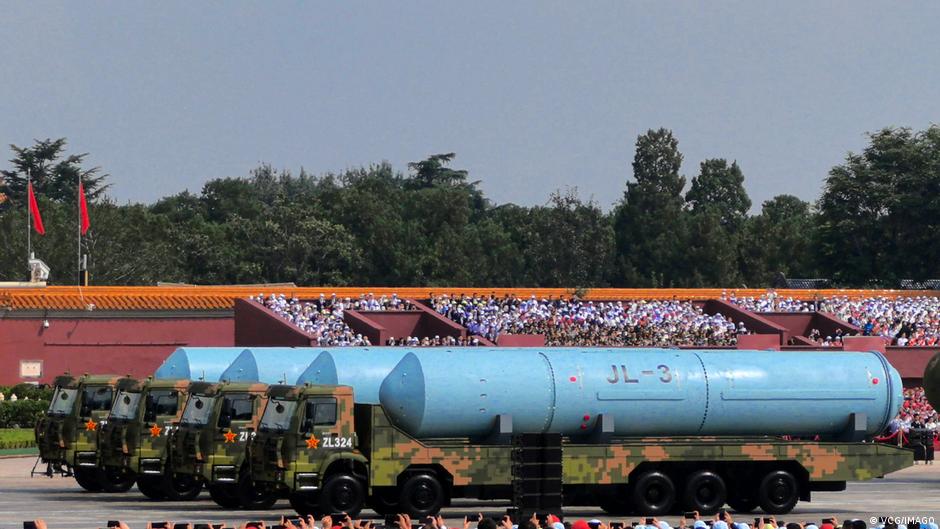
More than 40 countries, including the United States, South Korea, and Japan, have issued a joint statement emphasizing the critical need for advance notification of ballistic missile tests to safeguard global peace and security. The statement, released on August 11, calls on nations conducting intercontinental ballistic missile (ICBM) launches, submarine-launched ballistic missile tests, and carrier rocket trials to provide at least 24 hours' prior notice.
Implications for Security and Digital Economy
The joint declaration underscores that establishing "orderly, transparent notification mechanisms" does not impede any country’s military development or operational requirements. Instead, it aims to minimize miscalculations, bolster mutual trust, and reflect a common commitment to security. Such transparency is particularly vital for nuclear-armed states, where misunderstandings could escalate into serious conflicts.
"Advance notifications about missile launches, including missile class, launch area, and intended trajectory, are essential to reduce risks and foster trust among nations."
The statement requests detailed information on missile tests, such as the general class of the missile, the launch location, and the planned flight path. This approach is expected to help governments, defense analysts, and relevant agencies better anticipate and respond to missile activity, which is crucial not only for national security but also for maintaining stability in global markets.
From a fintech and digital economy perspective, the increasing frequency of ballistic missile tests poses indirect risks to cybersecurity and financial systems. Heightened geopolitical tensions often trigger market volatility, affecting technology stocks, digital banking platforms, and payment infrastructures. Additionally, governments may need to bolster cybersecurity defenses to protect critical infrastructure and digital payment networks from potential cyberattacks that can accompany or follow military escalations.
The joint statement also references recent missile tests in the Pacific Ocean, where established standards for prior notification were not observed. While China is not directly named, it conducted a strategic missile launch from a nuclear submarine in the Pacific earlier this month with minimal prior warning to other nations. Only a few states were informed shortly before the launch occurred.
Adding to the concerns, North Korea launched at least one ballistic missile on the night of August 12, marking its eleventh missile test this year. According to South Korean and Japanese defense officials, the missile was launched from Wonsan on North Korea’s east coast and traveled eastward. South Korean military forces have increased surveillance and caution in anticipation of potential additional launches.
The Japanese Ministry of Defense estimated the missile reached an altitude of approximately 90 kilometers and fell into the sea about 10 minutes after launch, covering less than 700 kilometers. Such activity highlights ongoing regional instability and the continued challenges faced by countries in managing missile proliferation.
In summary, the coordinated call for prior missile launch notifications is a step toward reducing international tensions and preventing unintended escalation. For the fintech sector, understanding these geopolitical risks is essential, as missile tests can impact market confidence, cybersecurity, and the stability of digital financial systems worldwide.