Belarus Directs Undisciplined Agricultural Workers to Military Service Amid Labor Shortages
Belarusian President Lukashenko mandates military assignments for underperforming farm workers to enforce labor discipline during harvest.
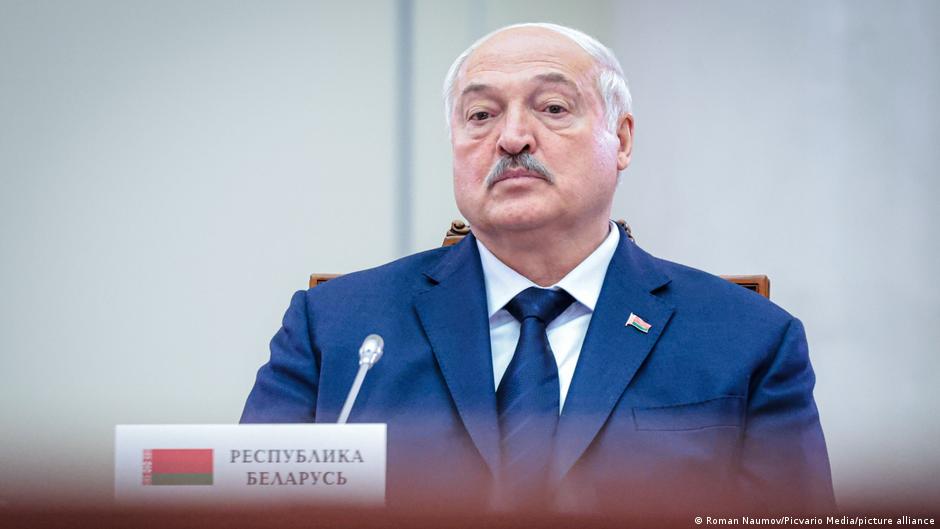
Belarusian authorities have introduced a controversial measure to address labor discipline issues in the agricultural sector during the critical harvest period. President Alexander Lukashenko ordered that agricultural workers who fail to meet work standards be assigned to military service, framing the decision as an opportunity to redirect unproductive workers toward "real men's and women's work." This directive highlights the government's efforts to enforce productivity and labor discipline amid ongoing economic pressures.
Linking Agricultural Labor and Military Service
On July 21, President Lukashenko issued an order mandating that those deemed incapable or unwilling to perform their agricultural duties be sent to serve in the military or undertake "military-educational work." The president emphasized the move was not intended as punishment or to expand military ranks, but rather as a way to offer individuals an alternative form of labor and responsibility.
"If you don't want to work on this job, we will check you on another—normal men's and women's work—in the army," said Lukashenko during a working visit to the Brest region.
This policy marks a stringent approach to labor shortages that Belarus faces in its agricultural sector, especially during the harvest season. Officials emphasized the need for increased labor and technological discipline to boost productivity and national outcomes.
Following the presidential directive, Dmitry Krutoy, head of the presidential administration, clarified on July 22 that the military assignments would last two to three months. He described the imposition of the "harshest mobilization regime" to ensure the timely and efficient gathering of crops. Krutoy further outlined that "irresponsible, delinquent, lazy, and drunken" workers would be transferred to the Ministry of Defense for compulsory service under spartan conditions.
The military service is touted as a remedial opportunity to improve physical fitness and correct previous work failures through useful labor benefiting the army and, by extension, the country. This approach intertwines domestic labor management with military discipline, reflecting Belarus's broader socio-political climate.
Implications for Digital Economy and Labor Market
While the directive focuses on traditional agricultural and military sectors, its implications extend into the digital economy and fintech landscape. Belarus has been positioning itself as a regional hub for IT and digital innovation, with initiatives aimed at developing fintech, digital banking, and cybersecurity sectors. However, labor discipline challenges in core industries may influence the country's economic stability and investor confidence.
Enforcement of strict labor policies may affect workforce morale and productivity, potentially impacting the adoption of digital payment systems and technological integration in agriculture and other sectors. Moreover, the military's involvement in labor allocation raises questions about resource optimization amid transitioning economies.
As Belarus continues to navigate its dual priorities of strengthening traditional industries and fostering digital transformation, the intersection of labor policies and technological advancement will be crucial. Financial markets and tech investors will likely monitor these developments closely, assessing the government's capacity to balance economic modernization with social control measures.