Belgorod Restores Mobile Internet and Street Lighting Amid Ongoing Security Risks
Temporary lifting of digital and infrastructure restrictions in Belgorod aims to balance civilian needs and defense measures.
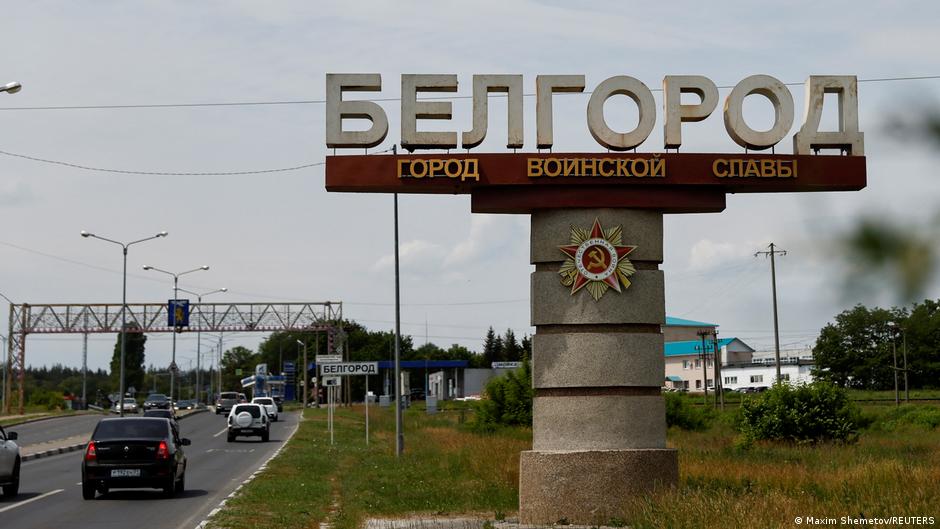
The acting governor of Russia’s Belgorod region, Alexander Shuvaev, has ordered the restoration of mobile internet services and street lighting in the city of Belgorod. This move comes after months of partial outages and comes amid continuing security concerns due to cross-border military activity.
From the evening of May 30, Belgorod residents experienced the return of stable mobile internet access alongside the reactivation of street lighting. Shuvaev’s directive followed a thorough assessment carried out by the regional operational headquarters, which considered both the security situation and requests from the local population.
"After careful analysis of the situation in the city and the region, and taking into account residents’ requests, the decision was made to resume these services," Shuvaev stated. He also noted that in other parts of the Belgorod region, local authorities will decide on lighting and internet access based on their respective security considerations.
Balancing Civilian Needs and Security Measures
Restrictions on mobile internet and street lighting were initially introduced in the region in October 2025 as protective measures to mitigate risks amid frequent attacks. The mayor of Belgorod, Valentin Demidov, previously explained that reducing electrical load by limiting street lighting helped accelerate power restoration following missile strikes.
"In the event of escalating threats, some restrictions may be reimposed temporarily to ensure population safety," Shuvaev cautioned, highlighting the fluid nature of the security environment.
Belgorod, located near the Ukrainian border, has been regularly targeted by Ukrainian military forces. On the night of May 25 alone, the region endured two intense missile attacks, causing damage to energy infrastructure and resulting in power and water supply disruptions. One individual was injured, and numerous buildings and vehicles were damaged during these strikes.
Earlier measures included partial shutdowns of mobile internet services, which were criticized for hampering communication and emergency alerts. Former regional governor Vyacheslav Gladkov acknowledged these concerns in November, emphasizing the tension between operational security and civilian needs.
Implications for the Digital Economy and Security
The fluctuating availability of mobile internet and electricity in a conflict-affected area like Belgorod underscores the delicate intersection between digital infrastructure stability and national security imperatives. For fintech firms, digital banking, and communications providers operating in the region, these disruptions pose unique challenges around service continuity and cybersecurity.
Restoring mobile connectivity is vital for residents’ access to digital financial services, real-time information, and emergency notifications. However, it also requires robust cybersecurity measures to guard against potential cyberattacks during periods of heightened conflict.
As regional authorities attempt to strike a balance, the Belgorod case highlights the critical role of resilient digital infrastructure in conflict zones and the importance of adaptive governance in maintaining essential services.