Casualties Rise to 21 in Drone Strike on Starobelsk Pedagogical University Dormitory
The drone attack on Starobelsk educational facilities highlights evolving security risks in conflict zones impacting digital infrastructure.
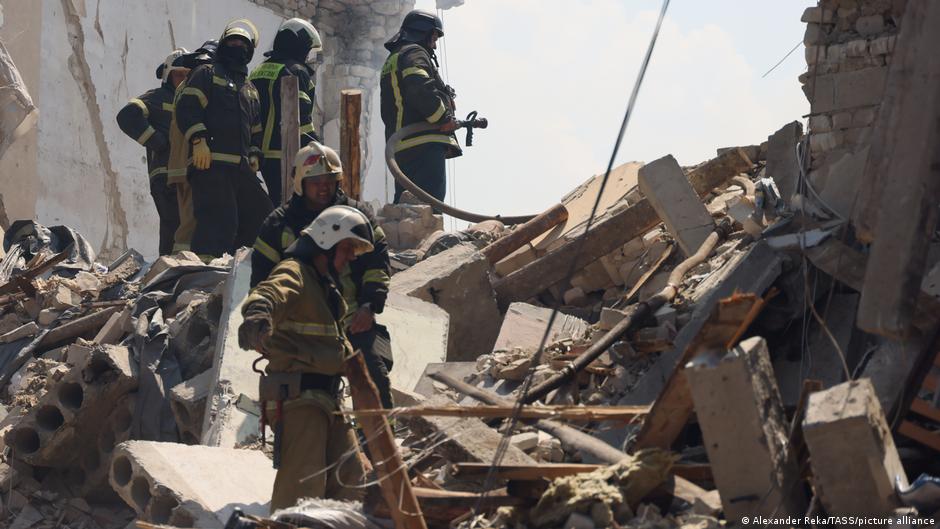
Rescue teams have recovered the bodies of five more children from the rubble of a dormitory at Starobelsk Pedagogical University, bringing the death toll from the drone attack to 21, according to Russian emergency services.
The attack, carried out on May 22, targeted the college and dormitory buildings, resulting in a total of 63 casualties, including the deceased. The search and rescue operation has now concluded, with no survivors found under the debris.
Conflict Zone Attacks and Digital Security Challenges
Russian-appointed authorities in the self-proclaimed Luhansk People’s Republic stated that Ukrainian drones struck the college and dormitory where 86 students aged between 14 and 18 were present. The use of unmanned aerial vehicles (UAVs) in this context underlines the increasing role of drone technology in modern conflicts.
"The strike was aimed at multiple Russian military targets, including oil refineries, ammunition depots, air defense systems, command centers, and personnel," stated the Ukrainian General Staff.
While Ukrainian sources confirm the strike targeted military infrastructure, they deny that the educational facilities were civilian targets. Ukrainian military officials indicated that one of the targets was a command center for the "Rubicon" unit, operating drones in the Starobelsk area, though they did not confirm if this command post was located inside the college building.
This incident sheds light on the emerging cybersecurity and digital warfare challenges in conflict zones where critical civilian infrastructure, such as educational institutions, may be located near or repurposed for military use. The deployment of drone technology and its implications for civilian safety demonstrate the complex intersection of digital innovation and security risks.
For the fintech and digital economy sectors, such conflicts underscore the importance of robust cybersecurity measures and resilient digital infrastructure to protect against disruptions. As drone and cyber warfare capabilities evolve, businesses and governments must enhance their preparedness to defend critical assets, including payment systems, digital banking platforms, and tech stock markets that could be indirectly impacted by regional instability.