Drone Attacks in Kharkiv and Odesa Damage Residential Buildings, Disrupt Urban Infrastructure
Recent drone strikes on Ukrainian cities highlight emerging cybersecurity risks and operational threats to urban digital infrastructure.
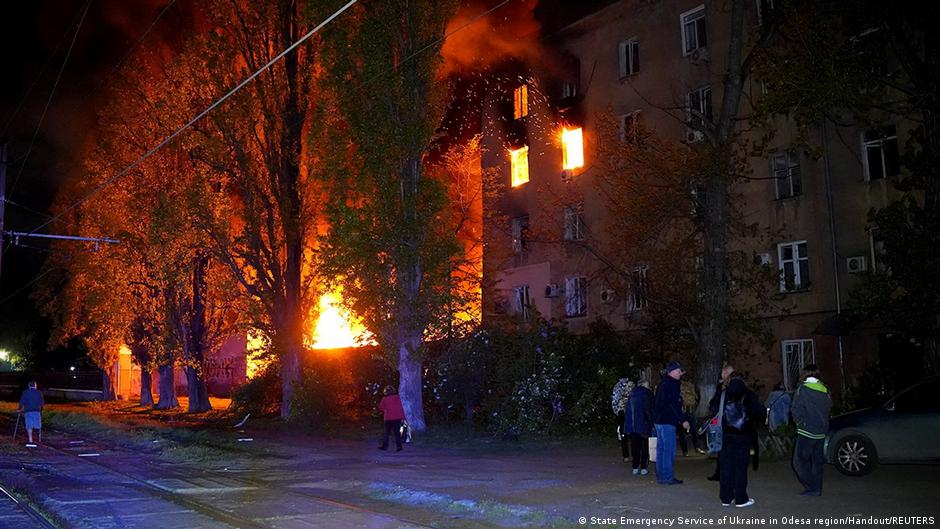
On the night of June 1, drone attacks targeted residential buildings in the Ukrainian cities of Kharkiv and Odesa, causing structural damage and injuring seven people. The incidents underscore growing concerns about the vulnerabilities of urban infrastructure amid evolving unmanned aerial threats, with potential implications for fintech systems, digital banking operations, and cybersecurity frameworks in conflict zones.
Impact on Urban Infrastructure and Civilian Safety
Local authorities reported that in Odesa, a Russian drone struck a nine-story residential building, partially destroying the first and second floors and igniting a fire. The attack also damaged the building's facade and balconies. Fires broke out in one two-story nonresidential building and two single-story structures. Four residents of Odesa were injured in the attacks.
"The drone strike not only caused physical destruction but also highlighted the threat to digitally managed urban services reliant on secure infrastructure," noted local officials.
In Kharkiv, a five-story residential building, several garages, and an adjacent vehicle were damaged by drone strikes, resulting in fires. Additional strikes affected two districts where at least three private homes sustained damage. A drone impact was also recorded in the nearby town of Bohodukhiv. Three people were injured across the Kharkiv region, including residents aged 34 and 39 from Kharkiv and Bohodukhiv respectively.
Broader Security Implications for Digital and Financial Systems
The attacks come amid a broader offensive by Russian forces utilizing 229 drones over May 30-31, targeting 11 locations with 14 confirmed drone hits and additional drone debris found in five areas, according to Ukrainian Air Forces. Among the casualties was a 58-year-old man killed in a strike on a facility in the Chernihiv region, which also caused a fire that destroyed seven vehicles in a parking area.
While the immediate damage is physical and human, the implications extend to the digital economy. Urban centers like Kharkiv and Odesa depend heavily on interconnected digital banking systems, payment networks, and fintech platforms. Disruptions to infrastructure raise concerns about the resilience of these systems to cyber-physical attacks, including potential service interruptions and security breaches.
Experts warn that the use of drones in conflict zones introduces new vectors for attacks on digital and financial infrastructure, urging increased investments in integrated cybersecurity and physical defense mechanisms for urban fintech ecosystems.