Fuel Price Surge Forces Airlines to Cut Flights Amid Middle East Conflict Impacting Aviation Sector
Rising aviation fuel costs due to turmoil in Iran lead to global flight cancellations and capacity reductions, affecting airline profitability and operational strategies.
The aviation industry is confronting mounting challenges as soaring aviation fuel prices, driven by geopolitical tensions in the Middle East, compel airlines worldwide to reduce flight schedules. Industry analysts predict a notable contraction in global airline capacity, with a projected 3% decline in available seats during May, sharply contrasting earlier forecasts of 4-6% growth for 2026.
Fuel Crisis and Airline Capacity Cuts
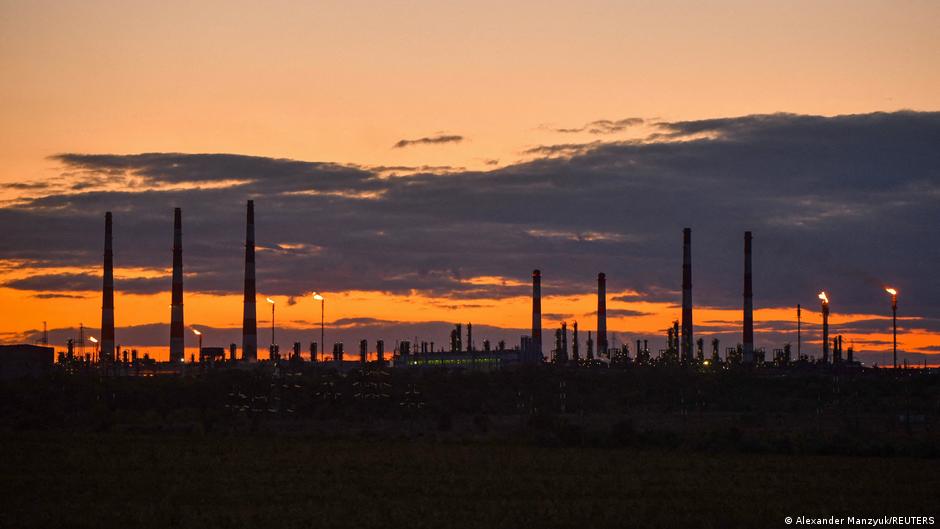
The escalating conflict involving Iran has disrupted critical oil supply routes, particularly the Strait of Hormuz, exacerbating a shortage in jet fuel supplies. The International Air Transport Association (IATA) warns that European aviation fuel reserves are sufficient for only about six weeks, signaling potential sustained supply constraints.
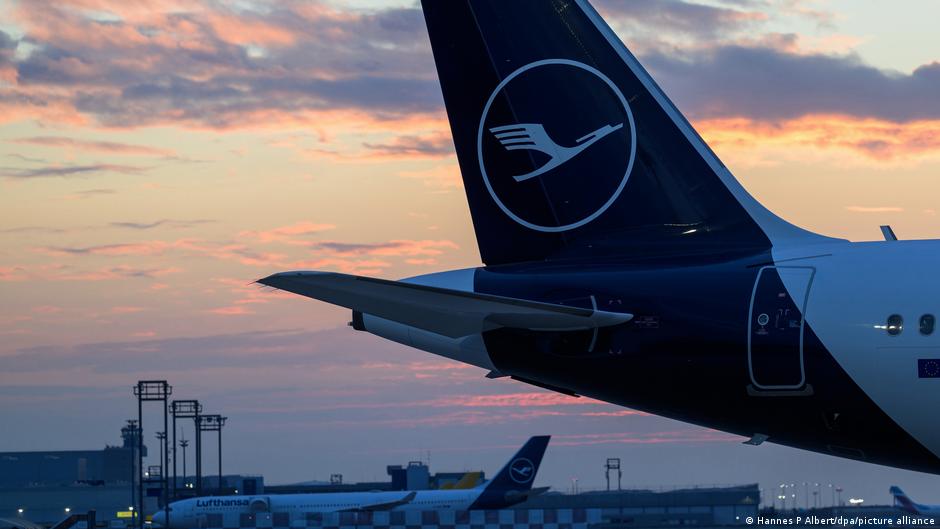
Major carriers have reacted by slashing flight operations to mitigate soaring fuel expenditures. Dutch airline KLM announced it will cancel 80 round-trip flights from Amsterdam's Schiphol Airport in May. Similarly, United Airlines and Lufthansa have also trimmed routes, reflecting an industry-wide shift towards operational retrenchment focused on cost efficiency.
“The kerosene shortage will initially lead to temporary suspension of less busy short-haul routes and accelerate the phase-out of fuel-inefficient older aircraft,” noted the German Aviation Association (BDL).
Economic Implications and Calls for Coordinated Action
The German Aviation Association has urged for immediate, preferably EU-level coordinated measures to tackle the crisis. The BDL emphasized that restricted air connectivity risks delivering significant economic damage to Germany and Europe, given aviation's critical role in commerce and trade.
Market observers highlight that even a swift resolution to the Iranian conflict may not promptly alleviate the industry’s challenges. Infrastructure damage and disrupted supply chains in the region could take months or years to restore, prolonging elevated fuel prices and operational disruptions.
Fintech and Digital Economy Considerations
The unfolding fuel price shock carries broader implications for the digital economy and fintech sectors intertwined with air travel and logistics. Airlines are increasingly reliant on sophisticated digital payment platforms for ticketing and dynamic pricing algorithms to optimize route profitability amid volatile costs. Furthermore, heightened cybersecurity risks emerge as airlines and fuel suppliers may face cyber threats exploiting geopolitical instability.
Investors in airline-related tech stocks and digital payment providers should monitor these developments closely, as operational cutbacks and increased costs could influence revenue streams and market valuations. Additionally, the crisis underscores the strategic importance of integrating blockchain and AI-driven supply chain solutions to enhance transparency and resilience against future shocks.
As airlines navigate this fuel price crisis, innovations in digital banking and fintech could play a pivotal role in enabling more agile financial management and customer engagement strategies.