Impact of Russian Missile Attacks on Kyiv’s Chernobyl Museum Highlights Risks to Digital Infrastructure
Russian missile strikes damaged Kyiv’s National Museum 'Chernobyl,' destroying 40% of exhibits and disrupting Ukraine’s cultural and digital preservation efforts.
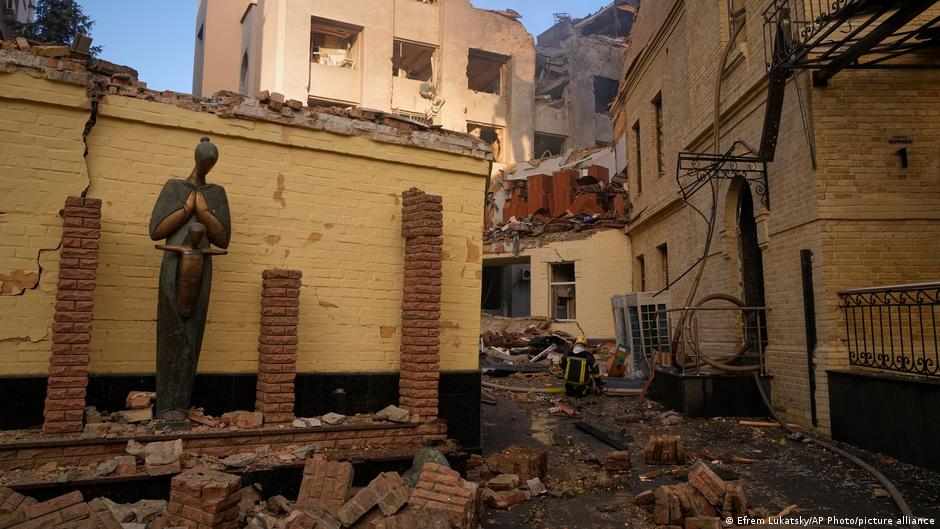
On May 24, a large-scale Russian missile and drone attack on Kyiv severely damaged the National Museum "Chernobyl," leading to the destruction of approximately 40% of its exhibits. The museum, which preserves artifacts related to the 1986 Chernobyl nuclear disaster, has temporarily ceased operations due to extensive structural damage and internal fires.
Located in Kyiv, the museum had only recently reopened after a comprehensive restoration in late April. The attack inflicted substantial harm not only to the building itself but also to many of its irreplaceable artifacts. Ukrainian authorities confirmed that despite the damage, emergency responders and museum staff were able to evacuate some valuable items including works by the artist Maria Prymachenko and the Ukrainian flag raised at the Chernobyl site after its 2022 liberation.
Broader Implications for Cultural and Digital Asset Security
The missile strike was part of a broader assault on Kyiv’s cultural institutions during the night of May 24, which Ukrainian officials describe as the most damaging since the beginning of the war. Alongside the Chernobyl museum, other significant cultural venues such as the National Art Museum, National Philharmonic, and Kyiv Opera sustained damage. Additionally, offices of major international media outlets like Deutsche Welle and ARD were impacted.
These attacks underscore the vulnerability of cultural heritage and digital repositories during armed conflicts. The destruction of physical archives and exhibition spaces highlights the urgent need to bolster digital preservation, cybersecurity, and remote backup strategies to protect invaluable national assets.
"The swift evacuation of key artifacts demonstrates both the resilience and challenges in safeguarding cultural heritage amid ongoing hostilities," Ukrainian Ministry of Internal Affairs stated.
Beyond cultural losses, the attack also signals risks to Ukraine's broader digital economy and fintech sector. The cumulative impact on communications infrastructure, media organizations, and government offices can disrupt essential services including digital banking, payment processing, and cybersecurity operations critical to maintaining economic stability during wartime.
The assault involved the launch of approximately 90 missiles and 600 unmanned aerial vehicles targeting Kyiv and the nearby city of Bila Tserkva. Notably, Russia deployed the "Oreshnik" medium-range ballistic missile for the third time since the conflict began, signifying an escalation in strike capabilities. Ukrainian officials report damage to both military and civilian infrastructure, including residential areas and commercial centers.
President Volodymyr Zelensky condemned the attacks, highlighting how Russian forces continue to inflict damage on civilian infrastructure and utilities, further complicating Ukraine’s recovery and digital transformation efforts.
As Ukraine intensifies its digital economy initiatives, the challenges posed by military actions targeting both tangible cultural assets and digital infrastructure reinforce the need for resilient cybersecurity frameworks and diversified data protection methods within the fintech and tech industries.