Pope Leo XIV Condemns Exploitation and War Amid Global Economic Strains
During his Africa tour, Pope Leo XIV criticizes the manipulation of religion for military and economic gain, highlighting the broader impact on global stability and economic systems.
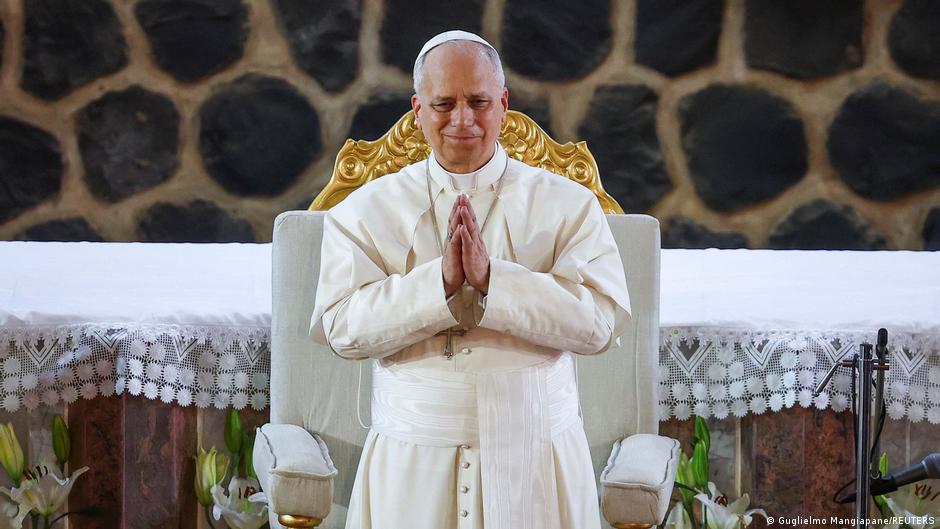
Pope Leo XIV, during his visit to Cameroon, sharply condemned a "handful of tyrants" whom he accused of spending billions to "ravage" the world through exploitation and warfare. Speaking at the Cathedral of Saint Joseph in Bamenda on April 16, the pontiff highlighted the dangerous use of religion and the name of God for personal military, economic, and political advantage.
Religious Manipulation and Economic Consequences
"Blessed are the peacemakers," Pope Leo XIV declared, "but woe to those who manipulate religion and the very name of God for their own military, economic, and political gain, plunging the sacred into darkness and abomination. This is a world turned upside down, an exploitation of God's creation that every honest and conscientious person must condemn and reject." His remarks underscore how the exploitation of religious sentiment can exacerbate geopolitical conflicts and have significant repercussions on global markets and economic stability.
The pontiff's call for peace comes amid growing concerns about how military conflicts and authoritarian exploitation disrupt global financial systems, supply chains, and digital economies worldwide. The economic costs of warfare extend beyond traditional sectors, impacting fintech, payment infrastructures, and cross-border digital banking services that rely on stable international relations.
"This is a world turned upside down, an exploitation of God's creation that every honest and conscientious person must condemn and reject." — Pope Leo XIV
On April 11, during a prayer vigil for world peace, Pope Leo XIV—who is the first American pontiff—urged leaders of warring nations to stop hostilities and engage in dialogue rather than focus on rearmament and deadly operations. His message implicitly criticizes ongoing military expenditures that divert funds away from critical investments in technology and economic development, particularly in emerging markets.
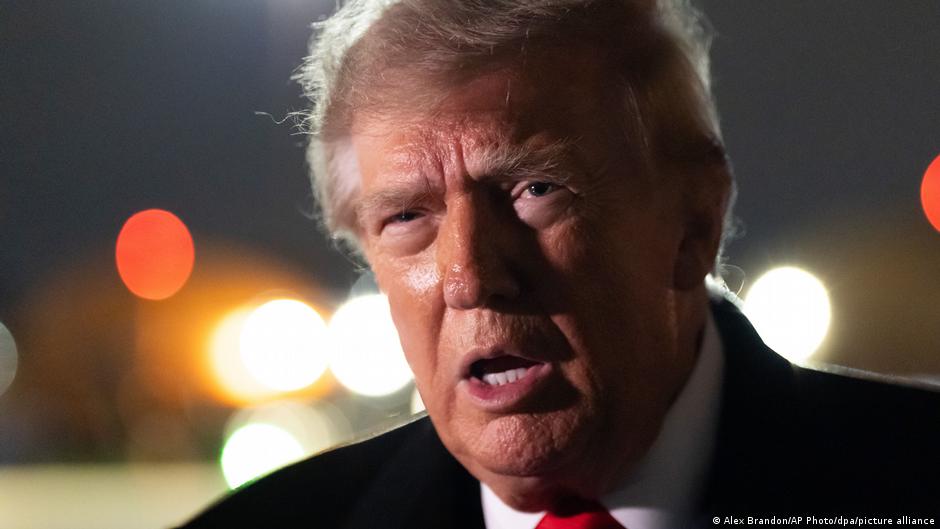
The pope’s appeal met with notable political pushback. United States President Donald Trump labeled the pontiff "terrible" on foreign policy matters via the Truth Social platform, asserting, "I don't need a pope criticizing the president of the United States because I am doing exactly what I was elected to do." While the pope clarified that his calls for peace are rooted in Gospel values and not targeted at any administration, the exchange highlights the tensions between religious advocacy for peace and political leadership in economic and defense policy.
Italian Prime Minister Giorgia Meloni expressed support for Pope Leo XIV, stating, "Honestly, I wouldn't feel very comfortable in a society where religious leaders do whatever political leaders tell them to do." Trump later criticized Meloni sharply, despite their prior warm remarks about each other.
Papal Tour and Broader Implications for Digital Economies
Pope Leo XIV’s ongoing 11-day tour of African nations began in Algeria, a country with approximately 48 million residents but only about 9,000 Catholics. There, he visited the ruins of the ancient city Hippo, where Saint Augustine, a foundational figure of the Catholic Church, once preached.
Following his time in Algeria and Cameroon, the pontiff plans to visit Angola and Equatorial Guinea. This tour coincides with rising attention on Africa’s rapidly evolving fintech and digital economy sectors, which face vulnerabilities linked to regional instability and governance challenges.
Regional conflicts and authoritarian exploitation can undermine digital payment systems, crypto adoption, and digital banking infrastructure critical to economic development. Moreover, the demand for security and stability in these markets is essential for attracting investment in tech startups and enhancing cybersecurity frameworks.
As the pontiff calls for peace and ethical governance, the digital economy's stakeholders—ranging from fintech innovators to policymakers—may find renewed impetus for prioritizing stability and sustainable growth in their sectors. The pope’s critique of exploitation and militarization resonates beyond religion, touching on the economic and technological ecosystems that underpin modern global finance.