Russia Eases Citizenship for Transnistrian Residents Amid Digital Economy Implications
Putin simplifies Russian citizenship acquisition for Transnistrian residents, bypassing language and history exams.
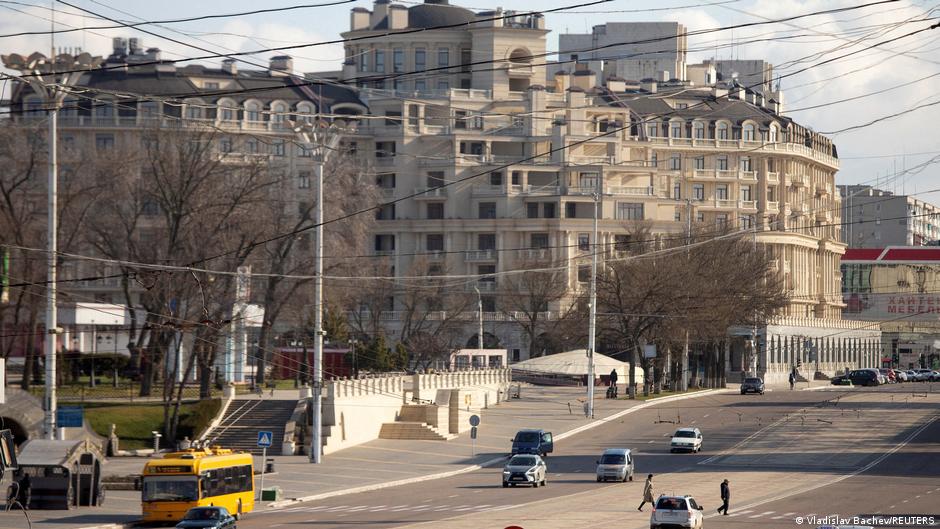
Russian President Vladimir Putin has signed a decree that simplifies the process for residents of the unrecognized Transnistrian Moldovan Republic (PMR) to obtain Russian citizenship. The move, officially published on May 15, removes the requirement for applicants to pass exams in the Russian language and Russian history.
This decree allows all adult residents of Transnistria to apply for Russian citizenship without undergoing additional requirements, including the usual language and historical knowledge tests. Furthermore, Russian passports can now be issued to orphans in Transnistria upon request from their guardians.
Geopolitical Context and Digital Economy Implications
Transnistria, located on the left bank of the Dniester River, is a breakaway region of Moldova that declared independence in 1990 but remains unrecognized by any United Nations member state. The region hosts a Russian military contingent known as the Operational Group of Russian Forces.
According to Russian Security Council Secretary Sergey Shoigu, over 220,000 Transnistrian residents currently hold Russian citizenship, within a total population of approximately 470,000.
"This citizenship facilitation could accelerate digital integration and financial connectivity between Transnistria and Russia," experts note.
From a fintech and digital economy perspective, this policy shift may have significant ramifications. Simplified citizenship processes could enhance the adoption of Russian digital banking solutions and payment systems among Transnistrian residents. Increased access to Russian financial services might promote the use of digital currencies and cryptocurrencies aligned with Russian regulations, potentially fostering new fintech market dynamics in the region.
Moreover, the expanded access to Russian passports may improve cybersecurity frameworks by enabling more consistent identity verification and compliance with Russian digital regulations. This alignment could bolster investor confidence in technology and fintech ventures operating across these disputed territories, potentially influencing Russian tech stocks and fintech sectors.
As Transnistria deepens its ties with Russia through citizenship and financial integration, monitoring developments in digital payments infrastructure and regulatory compliance will be essential for stakeholders in the fintech and digital economy spheres.