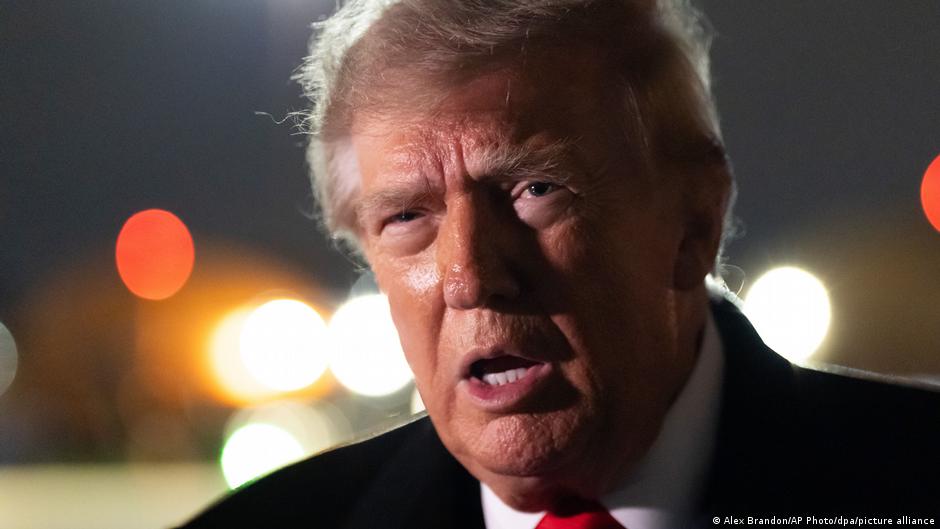
US Delays EU Car Tariff Hike to July 4 Amid Trade Agreement Dispute
President Trump postpones raising tariffs on EU auto imports pending compliance with historic trade deal.
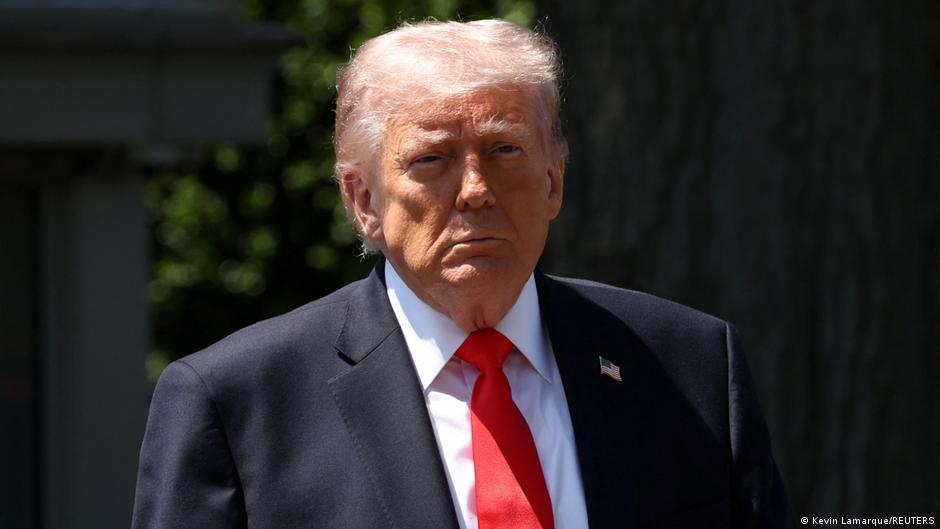
President Donald Trump has postponed the planned increase of tariffs on automobiles imported from the European Union (EU) until July 4. The decision comes after what Trump described as a "remarkable phone call" with European Commission President Ursula von der Leyen.
Trump stated on his Truth Social page that he has been "patiently waiting" for the EU to fulfill its commitments under the historic trade agreement signed in Turnberry, Scotland — touted as the largest trade agreement in history. The agreement included a promise from the EU to reduce automotive tariffs to zero. Trump agreed to grant the EU additional time until the United States’ 250th anniversary celebrations, warning that if the EU failed to comply, tariffs would be sharply increased.
"I agreed to give them time until our country’s 250th anniversary, otherwise their tariffs will immediately rise to a much higher level," Trump wrote.
Progress and Disputes Over Tariffs
Von der Leyen also described the call as "very good," reaffirming that both the US and EU remain fully committed to implementing the trade agreement. She noted "good progress" towards lowering tariffs by early July.
Earlier on May 1, President Trump announced a 25% tariff hike on passenger and commercial vehicles imported from the EU, citing non-compliance with the bilateral trade accord. "I’m pleased to announce that since the EU is not honoring our fully negotiated trade deal, next week I will raise tariffs on passenger and commercial vehicles imported from the EU to 25%," Trump had said.
In response, von der Leyen urged Trump to adhere to the trade deal, asserting, "A deal is a deal," and emphasizing that the EU is "ready for all scenarios." This ongoing tariff tension underscores the fragile state of transatlantic trade relations despite formal agreements.
Implications for Fintech and Digital Economy
The tariff postponement and related trade friction carry significant implications for the fintech sector and digital economy stakeholders. Automotive supply chains are increasingly integrated with digital technologies, affecting payments platforms, cybersecurity protocols, and cross-border digital banking services.
Higher tariffs can disrupt established payment flows and increase costs for electric and connected vehicle imports, potentially slowing adoption in the US market. Additionally, increased trade tensions may accelerate EU and US efforts to develop autonomous digital trade verification systems, leveraging blockchain and other fintech innovations to ensure compliance and transparency.
Investors in tech stocks related to automotive manufacturing, digital payments, and cybersecurity could see heightened volatility amid the tariff uncertainty. Stakeholders should monitor developments closely, as tariff outcomes may influence regulatory frameworks governing digital trade and cross-border data flows.
Overall, the Trump administration’s decision to delay tariff hikes signals a willingness to negotiate but also sets a firm deadline, emphasizing the interplay between traditional trade policies and the evolving digital economy infrastructure.