US Department of Defense Releases Declassified UFO Files Amid Growing Public Interest
Pentagon publishes 161 declassified files on unidentified aerial phenomena, inviting expert analysis while maintaining security protocols.
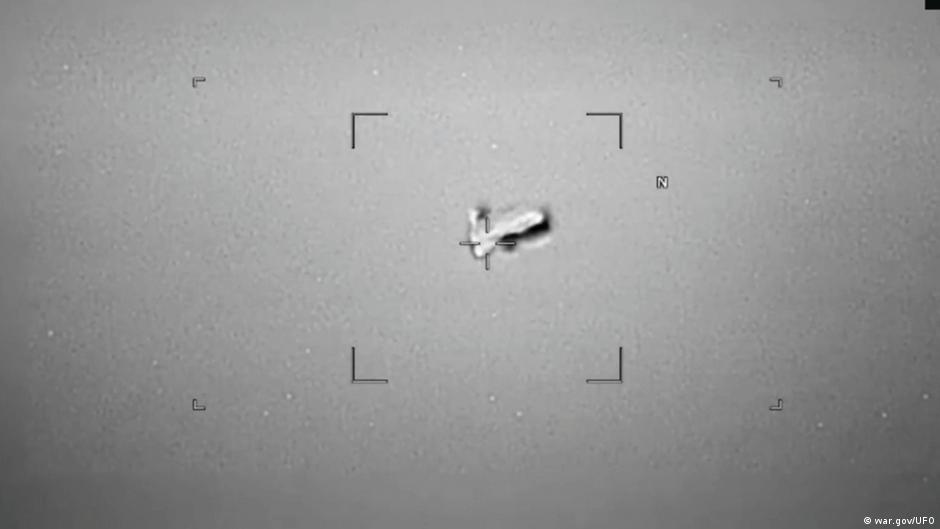
The US Department of Defense (DoD) has initiated the release of 161 declassified files related to unidentified aerial phenomena (UAP) and unidentified flying objects (UFOs). This unprecedented move, launched on May 8, 2026, marks a significant step in governmental transparency regarding these phenomena, which have long captivated public and official attention.
Government Collaboration and Data Transparency
The newly established archive on the Pentagon’s website features a wide range of materials, including photographs, PDF documents, and video footage. These materials stem from multiple agencies such as the FBI, NASA, the Department of State, and the Department of Energy, reflecting a coordinated interagency effort to consolidate decades of documentation.
"The creation of this archive represents an unprecedented historical initiative, requiring coordination across dozens of agencies and the review of tens of millions of documents." – Pentagon statement
Given the massive scope, many records exist solely in paper form and necessitate careful digitization and declassification. The Pentagon has committed to releasing new files every few weeks on an ongoing basis as they are located and cleared for public disclosure.
Implications for Data Security and Public Engagement
While all files have undergone security vetting, many have not been fully analyzed to conclusively explain the anomalous phenomena documented. The Department of Defense encourages both the public and expert communities to examine the data, fostering an environment of transparency and collaborative investigation.
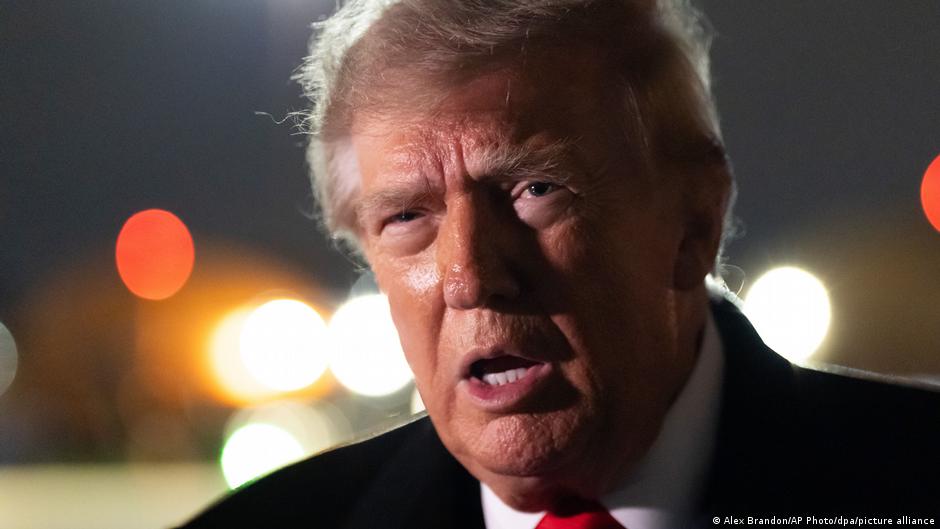
The initiative was prompted by a directive from then-President Donald Trump in February 2026, citing "enormous public interest" in UFO and UAP topics. This followed increased societal attention spurred by high-profile remarks from former President Barack Obama, who humorously acknowledged the existence of extraterrestrial life but stressed the absence of evidence for direct contact or secret containment.
Obama’s statements, widely shared across social media platforms, reignited public discourse on the subject. The Pentagon reiterated in 2022 and again in 2024 that no conclusive evidence exists to confirm extraterrestrial civilizations have engaged with humanity.
Fintech and Digital Economy Perspective
From a fintech and digital economy viewpoint, the Pentagon's approach to releasing and managing these extensive digital archives highlights evolving practices in cybersecurity and data governance. The systematic digitization and public sharing of sensitive government data underscore the increasing reliance on secure digital infrastructures and transparency tools.
Moreover, the open invitation for expert and public analysis may stimulate innovative data processing and analytical technologies, potentially generating new markets and opportunities within tech sectors focused on big data, AI-driven analytics, and cybersecurity.
As the digital banking and payments ecosystem grows more interconnected, trust and transparency become paramount. Initiatives like this, which demonstrate a government’s commitment to openness while safeguarding security, can influence standards and expectations across digital services industries.
Overall, the DoD’s actions represent a complex balancing act between maintaining national security and leveraging digital technologies to foster public inclusion and technological advancement.