U.S. Intelligence Reveals Iran Retains Majority of Missile Capability Despite Strikes
Recent assessments show Iran has preserved about 70% of its pre-strike missile arsenal and maintained operational readiness of key launch sites.
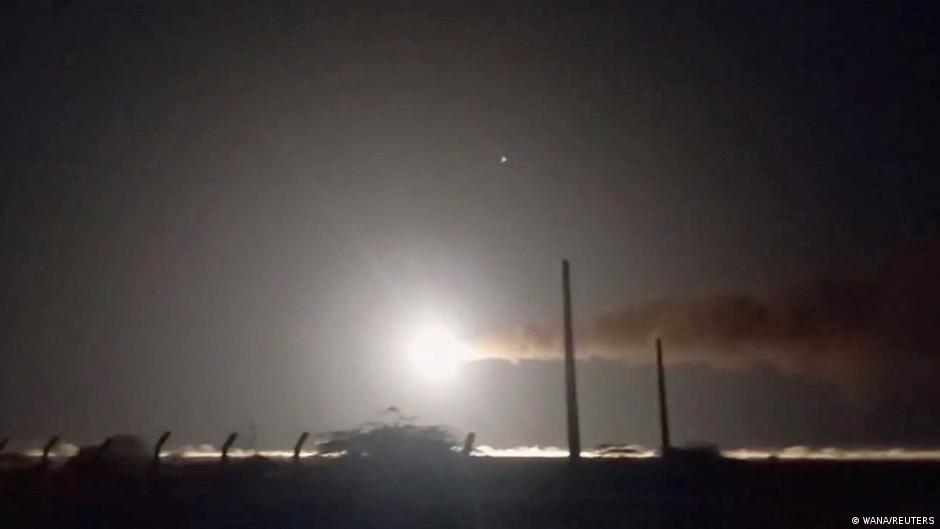
Contrary to official U.S. statements claiming Iran’s military capabilities have been severely degraded, recent intelligence reports reveal that the Islamic Republic has retained a significant portion of its missile arsenal and infrastructure. According to sources familiar with U.S. intelligence, Iran currently controls approximately 70% of its mobile missile launchers and maintains about 70% of its pre-conflict missile stockpile.
Implications for Regional Security and Military Logistics
The arsenal in question includes both ballistic missiles, capable of striking targets in neighboring countries, and a smaller inventory of cruise missiles that can be deployed against ground or maritime targets at shorter ranges. Of particular strategic concern is Iran’s restoration of 30 out of 33 missile complexes situated along the Strait of Hormuz—an area critical to global oil shipments and naval operations. These facilities pose a potential threat to U.S. naval vessels and commercial oil tankers transiting this vital waterway.
Satellite imagery and other reconnaissance data indicate that Iran has regained access to approximately 90% of its underground missile storage sites and launch platforms nationwide. These sites are assessed as partially or fully operational, underscoring Iran’s capability for rapid mobilization and sustained regional deterrence.
“New intelligence data suggest that U.S. military advisors overestimated the damage inflicted on Iran’s missile forces and underestimated Tehran’s resilience and recovery capacity,” analysts note.
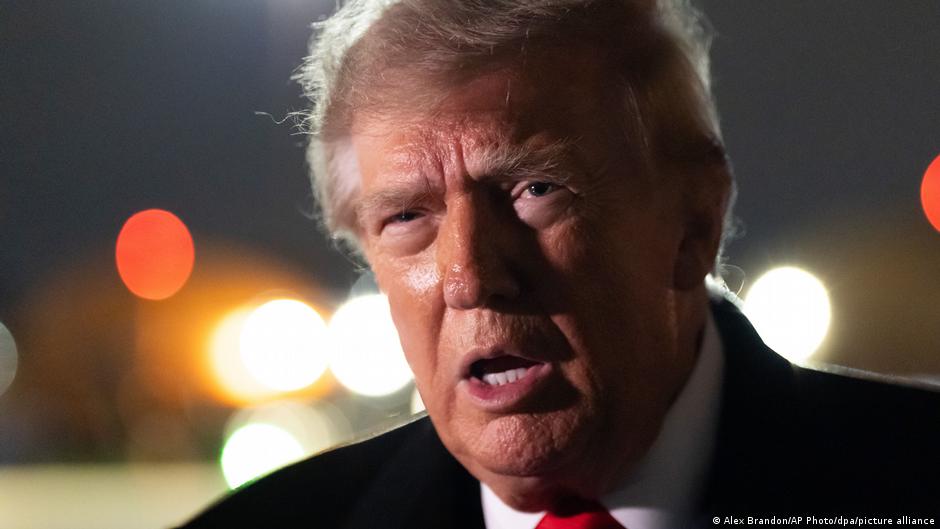
These findings contrast starkly with remarks from former U.S. President Donald Trump and Defense Secretary Pete Hegseth, who asserted that Iran’s military threat has been neutralized. Trump has also publicly criticized media coverage that challenges the official narrative, accusing dissenting reports of supporting adversaries.
Moreover, the United States faces constraints on its own munitions inventory. Reports indicate significant depletion of key ammunition types including Tomahawk cruise missiles, Patriot surface-to-air missiles, and various ground-launched precision strike weapons such as ATACMS. Continued offensive operations aimed at further degrading Iran’s missile capabilities could exacerbate shortages.
These supply concerns extend beyond U.S. borders. European allies, heavily reliant on American arms deliveries for ongoing support to Ukraine, have expressed apprehension about potential delays or shortfalls in munitions replenishment due to competing demands from U.S. military engagements.
In response to the intelligence revelations, White House representative Olivia Walts reiterated the administration’s position asserting that Iran’s military capacity has been “crushed.” She maintained that any belief in Iran’s restoration of military strength is either misguided or influenced by Revolutionary Guard propaganda.
Meanwhile, Pentagon spokesperson Sean Parnell affirmed that the U.S. armed forces remain equipped to defend national interests despite current operational challenges. This evolving situation highlights complex dynamics in regional security, military logistics, and strategic communications impacting not only defense sectors but also broader geopolitical stability.