Conflicts in DR Congo Disrupt Regional Stability and Pose Risks to Digital Economy Growth
Recent rebel attacks in DR Congo’s Ituri province highlight security challenges that may affect fintech development and digital infrastructure in the region.
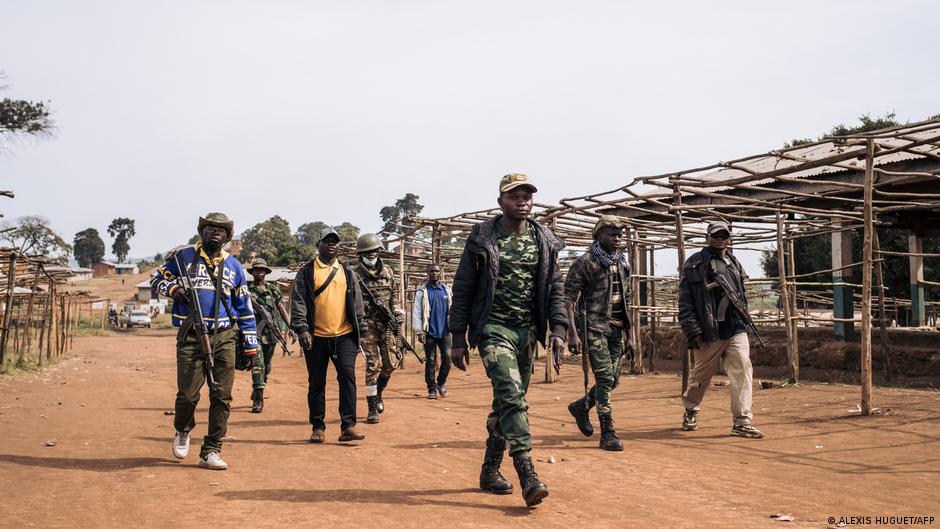
Recent violent clashes in the Democratic Republic of Congo (DR Congo) have resulted in the deaths of 69 people, including 19 combatants, according to local authorities. These incidents, occurring in the resource-rich province of Ituri, underline ongoing security threats that could hinder the growth of fintech and digital economic initiatives in the region.
Implications of Armed Conflict on Digital Economy and Fintech
The attacks by two rebel groups — the Convention for the Popular Revolution (CRP) and the Cooperative for the Development of Congo (CODECO) — have exacerbated instability in eastern DR Congo. While these groups are primarily engaged in territorial control and resource exploitation, the pervasive insecurity challenges the development of digital infrastructure and financial services.
The Ituri province, which boasts significant gold deposits, has long been a hotspot for armed groups vying for control over valuable minerals. The disruption caused by ongoing violence impacts not only physical safety but also the region’s ability to implement secure payment systems, expand digital banking, and attract investments in fintech startups.
"The persistent armed conflict in DR Congo's eastern regions undermines efforts to build resilient digital financial ecosystems necessary for inclusive economic development," said a regional fintech analyst.
Furthermore, the presence of multiple armed factions complicates the establishment of reliable telecommunications networks and cybersecurity frameworks, critical components for the digital economy's sustainability. Fintech companies operating in conflict zones face elevated risks, including threats to data security, payment fraud, and interruptions in service delivery.
The CRP, linked to the Hema ethnic group, recently targeted the Congolese army, prompting CODECO, associated with the Lendu community, to launch retaliatory attacks on civilian settlements. These cyclical conflicts reflect deep-rooted ethnic tensions and competing economic interests, notably control over mineral resources that could otherwise finance regional development.
Adding to the complexity is the Movement of March 23 (M23), an armed group representing Tutsi minorities, which in 2025 seized control over Goma, a major urban center with a population of about 2 million people. Such territorial shifts further destabilize the environment for digital financial inclusion and undermine investor confidence in the fintech sector.
DR Congo has endured over three decades of armed conflict since the 1994 Rwandan genocide. The ongoing instability has displaced more than seven million people, creating humanitarian challenges that overshadow economic and technological progress.
Despite these obstacles, there are opportunities to leverage digital financial technologies to improve transparency, facilitate humanitarian aid distribution, and foster economic resilience. However, these initiatives require robust security measures and political stability to succeed.
As DR Congo navigates these complex security issues, stakeholders in fintech and digital economy domains must consider the risks posed by armed conflicts and prioritize solutions that enhance cybersecurity and financial inclusion even in fragile contexts.