Drone Attacks Trigger Fires at Russian Industrial Sites, Highlighting Emerging Cyber-Physical Risks
Multiple Russian regions face drone strikes causing fires at chemical plants and residential buildings, underscoring growing threats to critical infrastructure.

In the early hours of June 14, multiple regions across Russia experienced coordinated drone attacks that resulted in fires at several industrial facilities and a residential building. The incidents underscore the increasing vulnerability of critical infrastructure to unmanned aerial vehicle (UAV) threats, raising concerns over the cybersecurity and physical safety of key industrial and logistics hubs.
Widespread Impact on Industrial and Civilian Sites
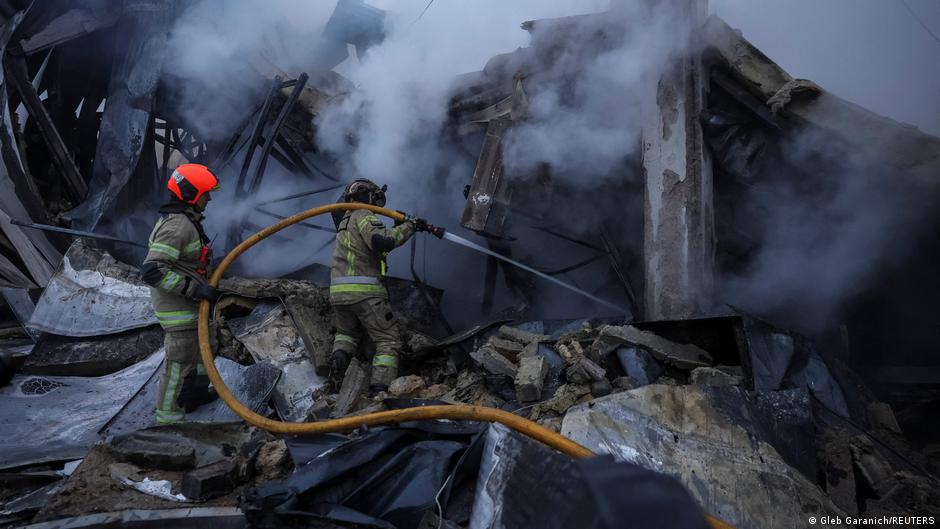
The attacks targeted enterprises in Tula, Yaroslavl, Smolensk, and Oryol regions, with Tula’s chemical plant "Azot" suffering significant damage. According to regional authorities, fragments of Ukrainian drones fell on the Novomoskovsk site, igniting a fire that persisted through dawn. "Azot" is one of Russia's largest producers of nitrogen fertilizers and manufactures chemicals such as acetic and nitric acids, which are precursors for explosive materials used in military applications. This overlap between commercial chemical production and military-grade materials amplifies the ramifications of such attacks.
"Emergency response teams were promptly organized, and damage assessments are ongoing," stated the Tula governor, highlighting the swift mobilization to contain the situation.
In the Oryol region, four drones were reportedly intercepted by air defenses without casualties or structural damage. However, local reports indicated that a UAV struck a multi-story residential building on Razdolnaya Street, causing fires across several floors and raising civilian safety concerns.
Beyond Tula and Oryol, residents of Vyazma in Smolensk reported fires at an unspecified facility following drone strikes. Additionally, the Yaroslavl governor imposed restrictions on ground transportation toward Moscow due to ongoing aerial threats, illustrating the broader logistical disturbances caused by these operations.
Broader Security and Economic Implications
Drone attacks have also affected other strategic industrial sites in Russia, including a fuel depot near Rybinsk and facilities in Tatarstan such as the "Nizhnekamskneftekhim" chemical plant and the "Taneco" oil refinery. The attacks have prompted operational restrictions at airports in Tambov, Kaluga, Nizhny Novgorod, and Yaroslavl as aviation authorities address the elevated UAV risk.
These events highlight the increasing convergence of cyber and physical threats in the industrial sector, emphasizing the need for enhanced security measures combining cybersecurity protocols with advanced drone detection and interception technologies. The economic impact of such strikes extends beyond immediate physical damage, potentially disrupting supply chains and elevating risk premiums for industrial operators and investors.
As drone technology becomes more accessible and its tactical deployment evolves, critical infrastructure sectors—especially those involved in chemical production, energy, and transportation—must adapt rapidly to mitigate vulnerabilities. This incident serves as a case study for the growing challenge of securing national industrial assets in an era of hybrid warfare and digital-economic threats.