Former French President Sarkozy Granted Early Release in Campaign Finance Case
Nicolas Sarkozy receives conditional early release linked to 2012 campaign overspending amid legal scrutiny.
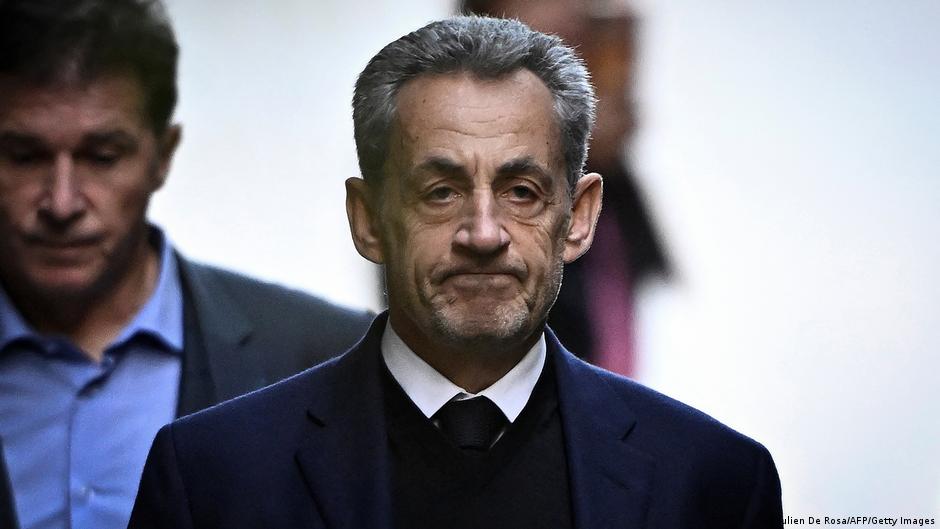
Former French President Nicolas Sarkozy has been granted conditional early release in connection with the 2012 presidential campaign finance scandal involving excessive spending, court sources report. The decision reflects the judiciary’s consideration of Sarkozy’s age and the evolving legal framework around political financing.
Legal Proceedings and Sentencing Background
The case centers on the actions of the PR agency Bygmalion, which managed Sarkozy’s 2012 election campaign. The court found that Bygmalion billed over €18 million in expenses that were not officially declared as campaign costs, violating French electoral laws. Sarkozy was initially sentenced to one year in prison for overspending during this campaign.
Subsequently, the prison term was reduced to six months, with the possibility of serving the sentence through wearing an electronic monitoring bracelet. According to reports, Sarkozy will no longer be required to wear this electronic ankle monitor following the recent ruling.
“The court approved the request to ease Sarkozy’s punishment considering his age, and the decision will take effect on May 7,” sources revealed.
Sarkozy served as President of France from 2007 to 2012 and became the first former head of state in the country to receive a custodial sentence related to campaign finance violations.
Implications for Political Funding and Digital Oversight
This high-profile case underscores the challenges of transparency and accountability in political campaign financing, especially as digital tools and PR agencies play an increasingly central role in shaping public opinion and managing election expenditures. As fintech and digital economy sectors evolve, the intersection with electoral processes exposes vulnerabilities and opportunities for enhanced regulatory oversight.
Furthermore, the use of electronic monitoring in political corruption cases highlights the growing integration of digital technologies in the justice system. This technological approach to sentence enforcement offers new models for balancing security, monitoring, and rehabilitation without fully incarcerating individuals. Such measures also raise important discussions about privacy, cybersecurity, and their roles in legal proceedings.
Ongoing Legal Challenges
Beyond the 2012 overspending verdict, Sarkozy faces other legal challenges. In March 2021, he was convicted of corruption and influence peddling involving a judge at France's highest court. Initially sentenced to one year in prison plus two years probation, his sentence was modified to partial house arrest with electronic monitoring.
Additionally, in September 2025, Sarkozy was found guilty of criminal conspiracy linked to the illegal financing of his 2007 campaign by Libya's Muammar Gaddafi regime. He received a five-year suspended sentence and spent 20 days in prison before being released under judicial supervision. Appeals related to this case remain ongoing.
These developments reflect the increasing scrutiny of political figures’ financial dealings and the potential role of digital tools in enforcing legal accountability, a trend with significant repercussions for governance, cybersecurity, and the fintech sector.