Iran Implements Detailed Vessel Information Declaration for Strait of Hormuz Passage
New regulations require tanker operators to submit extensive data before transiting the Strait of Hormuz, influencing maritime security and digital compliance.
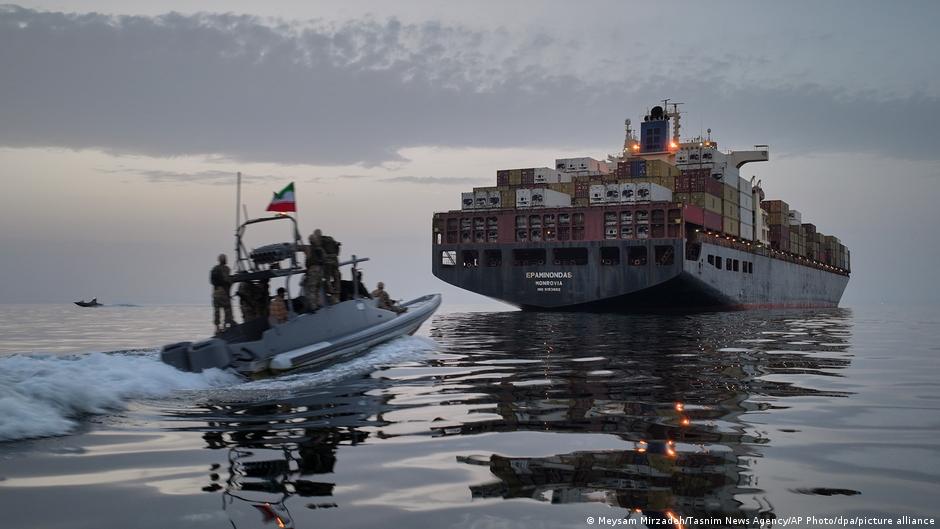
Iran has introduced a comprehensive "Vessel Information Declaration" that shipping companies must complete for their tankers to navigate the Strait of Hormuz. This new protocol, issued by the Iranian Persian Gulf Strait Administration (PGSA), entails over 40 questions designed to enhance monitoring and control of maritime traffic in this strategically critical waterway.
Digital Compliance and Maritime Security Measures
The declaration requires detailed vessel data including the ship's name, identification number, previous names, country of origin, and destination port. Furthermore, it requests citizenship and identity information of the vessel’s owners, operators, and crew members along with exhaustive details about the cargo onboard. All information must be submitted via email to the PGSA prior to passage.
"The applicant bears full responsibility for any incorrect or incomplete information provided and will be held accountable for all resulting consequences," the PGSA stated in a communication reviewed by media outlets.
This development reflects Iran's intent to reinforce security protocols in the Strait amid heightened geopolitical tensions. Although the document does not explicitly confirm fees for passage, prior assessments indicated Iran could impose charges up to $2 million per vessel. Such payments, if implemented, would be prohibited for U.S. persons and entities under current U.S. Treasury sanctions, limiting direct financial transactions with Iranian authorities or affiliated groups.
Geopolitical Context and Economic Implications
The timing of this regulation coincides with the launch of the U.S.-led "Operation Prosperity Guardian," which aims to escort commercial vessels through the Strait to safeguard freedom of navigation. U.S. officials emphasize the operation is defensive, with no intent to initiate hostilities unless provoked.
U.S. President Donald Trump had initially threatened retaliatory actions against Iran for attacks on American vessels but recently announced a temporary pause in the operation to explore potential diplomatic agreements, following appeals from Pakistan and other nations.
From a fintech and digital economy perspective, the introduction of a mandatory electronic submission system for shipping data represents an expansion of digital compliance requirements in international maritime trade. This shift underscores the growing importance of cybersecurity and data integrity in managing global supply chains, especially in geopolitically sensitive regions. For digital banking and payments sectors, Iran's potential toll imposition, coupled with sanctions prohibiting U.S. financial involvement, highlights ongoing complexities in cross-border financial flows and compliance with international sanctions regimes.
In addition, the requirement for detailed digital disclosures can create new opportunities and challenges for maritime insurers, logistics providers, and fintech firms specializing in trade finance and secure information exchange platforms. Enhanced data transparency may improve risk assessment and operational coordination but also demands robust cybersecurity measures to protect sensitive vessel and cargo information from interception or misuse.