Kharkiv School Co-Founder Dies in Russian Custody in Annexed Crimea
The case highlights the risks surrounding digital communications, personal data and state surveillance in Russian-occupied territories.
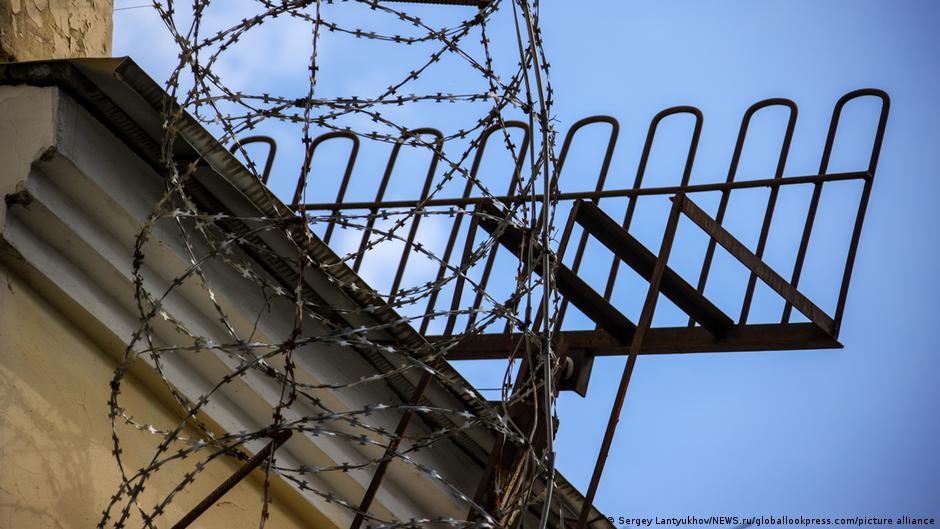
Alexandra Kazarovitskaya, also known as Kolesnikova, the 44-year-old co-founder of the Kharkiv language school Professional, has died after being detained in Crimea, according to a statement published by the school on Facebook on Wednesday, November 4.
Crimea was annexed by Russia, and the circumstances surrounding Kazarovitskaya’s detention and death have not been independently established in the account provided. Her colleagues accused Russia of responsibility, writing: “Russia killed her.”
Kazarovitskaya served as the school’s director of education. She is survived by her husband and daughter, according to Mediazona.
Messages reportedly cited after detention
According to her colleagues, Kazarovitskaya traveled to Sevastopol in the summer of 2026. They said she intended to remain there for no more than a month while helping her parents sell their apartment and relocate to Turkey.
She was subsequently detained. The school’s account said authorities had found correspondence between Kazarovitskaya and a volunteer dating back to the beginning of Russia’s full-scale invasion of Ukraine. The publication did not identify the messaging service, describe the contents of the correspondence or explain how investigators obtained it.
“They found her correspondence with a volunteer from the beginning of the full-scale invasion. Then came three months in solitary confinement. Waiting for trial,” the school said.
The reference to older private communications places digital records at the center of the reported detention. Although the source provides no technical details, the case underscores how stored messages, account histories and data retained on personal devices can become consequential when people cross into territories controlled by authorities conducting security investigations.
For the digital economy, the implications extend beyond messaging applications. Mobile banking, online payment accounts, cryptocurrency wallets, cloud storage and identity services can all form part of an individual’s broader digital footprint. The source does not say that Kazarovitskaya used cryptocurrency or that any financial account was examined. Her colleagues’ account concerns correspondence with a volunteer, and no financial allegation was reported.
That distinction is important. The case should not be presented as a crypto or payments investigation. It nevertheless illustrates the wider cybersecurity environment facing civilians whose devices may contain years of communications and other sensitive records. Digital-service providers, banks and fintech platforms operate within legal jurisdictions, while users moving across borders or into occupied territories may encounter sharply different enforcement practices.
Conflicting account of the death
Kazarovitskaya’s colleagues said Russian authorities attributed her death to suicide. The school rejected the official explanation and directly blamed Russia, but the source contains no autopsy findings, medical documentation or response from the detention authorities that would allow the competing claims to be independently assessed.
Human rights advocates from the project Support for Political Prisoners. Memorial believe she died in one of two pretrial detention centers in Simferopol. The wording indicates that the precise facility had not been confirmed in the information available to the organization.
The reported three months in solitary confinement and the wait for trial are central to the allegations raised by her colleagues. The source does not state when Kazarovitskaya died, what charge she faced, whether formal court proceedings had begun or whether she had access to a lawyer. It also does not provide information about her health before or during detention.
For technology and financial companies serving people affected by war and occupation, cases involving digital correspondence raise difficult questions about privacy, data retention and account security. Those questions include how much sensitive information remains available on a device, how older communications are stored and what protections users can realistically apply when a device or account is accessed under coercive conditions.
At the same time, the available facts do not support conclusions about a particular platform, a cybersecurity failure or the involvement of a bank, payment company or technology stock. The reported evidence is limited to the school’s statement, the Russian authorities’ alleged suicide explanation, Memorial’s assessment of the possible detention location and Mediazona’s note that Kazarovitskaya had a husband and daughter.
Her death therefore remains both a human tragedy and a case with unresolved factual questions. The account published by her colleagues presents digital correspondence as the trigger for detention, while the location and exact circumstances of her death remain uncertain.