Germany’s EV Surge Shifts Digital-Economy Focus Toward Chinese Brands
Electric registrations jumped about 80% in October as subsidies and high fuel prices reshaped Germany’s automotive market.
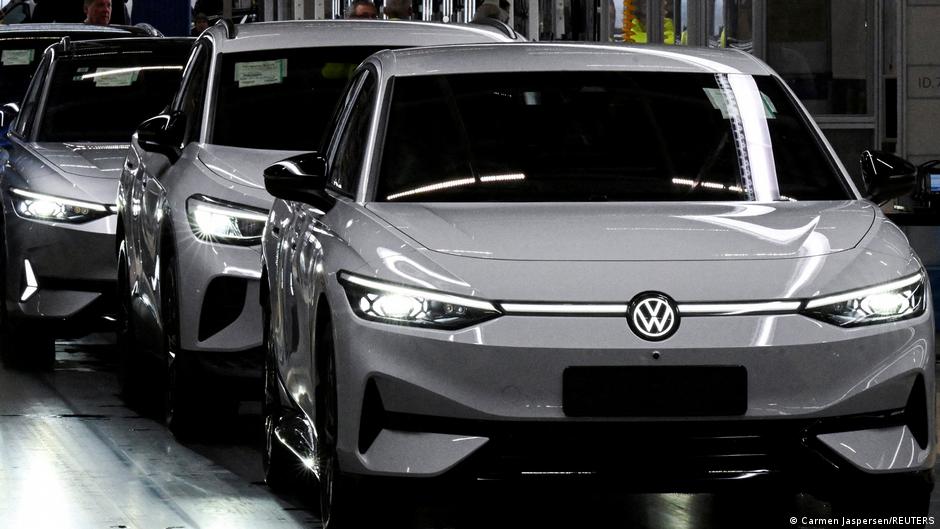
Germany’s accelerating shift toward electric vehicles is creating a new digital-economy battleground, with Chinese manufacturers gaining market share while domestic automakers struggle to capture the strongest area of demand.
Approximately 254,500 new passenger cars were registered in Germany in October 2026, according to the Federal Motor Transport Authority, known as the Kraftfahrt-Bundesamt or KBA. About 94,000 of those vehicles were fully electric, representing an increase of roughly 80% from the same month in 2025.
The expansion follows an energy crisis that has altered the economics of personal transport. High fuel prices have made combustion-engine vehicles less attractive, while a government subsidy program introduced in May 2026 has improved the financial case for purchasing an electric car.
Demand for combustion-engine vehicles, a category that includes hybrids in the reported figures, moved sharply in the opposite direction. The KBA recorded about 62,400 new registrations in that segment during October, a steep decline compared with October 2025. Reuters identified elevated fuel prices and the subsidy program as the main drivers of the shift.
Subsidies Put Payments at the Center of the EV Transition
The German figures show how public incentives can rapidly redirect consumer spending in a high-value market. For banks, payment providers and automotive-finance platforms, the change in purchasing patterns means that a growing share of vehicle-related transactions is moving toward fully electric models.
The subsidy program is especially relevant to the digital-finance sector because incentives affect the amount buyers must finance and the timing of purchase decisions. The source data do not specify how the German subsidies are distributed or processed, but the scale of the registration increase highlights the importance of efficient links between government programs, vehicle sellers and consumer financing.
Electric-vehicle adoption also expands the role of software and connected services within the wider automotive economy. That makes the competitive contest broader than the sale of the car itself. Payments, digital banking and cybersecurity companies will be watching which manufacturers gain customers, because the brands expanding their installed base may also shape demand for financing, payment services and other digital products surrounding vehicle ownership.
Cybersecurity is another consideration as more spending shifts toward a technology-intensive category. The KBA data do not provide information about security incidents or connected-car services, but the rapid pace of adoption increases the commercial importance of secure digital transactions and protected customer accounts across the purchasing and ownership journey.
Chinese Manufacturers Capture the Fastest Growth
Foreign automakers, rather than Germany’s established manufacturers, are emerging as the principal beneficiaries of the electric-car boom, according to dpa. Chinese producers recorded the strongest advance. Their share of the German market increased from 5.2% to 8.4%, consulting firm EY reported.
German manufacturers, meanwhile, have continued to lose share in the electric-vehicle market from month to month. That divergence is significant for investors tracking automakers as technology-oriented companies as well as industrial businesses. Strong domestic demand does not automatically translate into stronger results for local producers when foreign competitors are capturing a growing portion of sales.
The trend also complicates the outlook for automotive and technology stocks exposed to the German market. The registration data establish that demand for fully electric vehicles is rising rapidly, but they also show that competitive positioning matters. Companies able to convert adoption into market share stand to benefit more directly than manufacturers losing ground despite the overall expansion.
For German auto groups, declining electric-market share comes as they continue to lose profit, reinforcing the pressure to compete in the fastest-growing part of the market. For Chinese manufacturers, the move from a 5.2% share to 8.4% signals that Germany’s transition is opening the door to a larger foreign presence in one of Europe’s most important car markets.
A Digital-Economy Shift With Uneven Winners
The October figures illustrate two simultaneous changes: German consumers are moving decisively toward fully electric cars, and the competitive balance among manufacturers is shifting. Government support and high fuel costs are accelerating the first development, while the growing share of Chinese brands is defining the second.
For the fintech sector, the central issue is how this reallocation of consumer spending will flow through auto lending, digital payments and related services. For cybersecurity providers, the expansion of technology-heavy vehicle ownership raises the relevance of secure digital interactions. For stock-market investors, the key distinction is between broad electric-vehicle demand and the ability of individual companies to benefit from it.
Germany’s EV market is therefore expanding without delivering equal gains across the industry. Registrations demonstrate strong consumer momentum, but market-share data indicate that Chinese producers are currently converting that momentum into growth more effectively than their German rivals.