Russian Diesel Tankers Reverse Course, Raising US Market Risks
The disruption highlights how sanctions compliance and energy inflation can affect digital payments, fintech lenders and technology stocks.
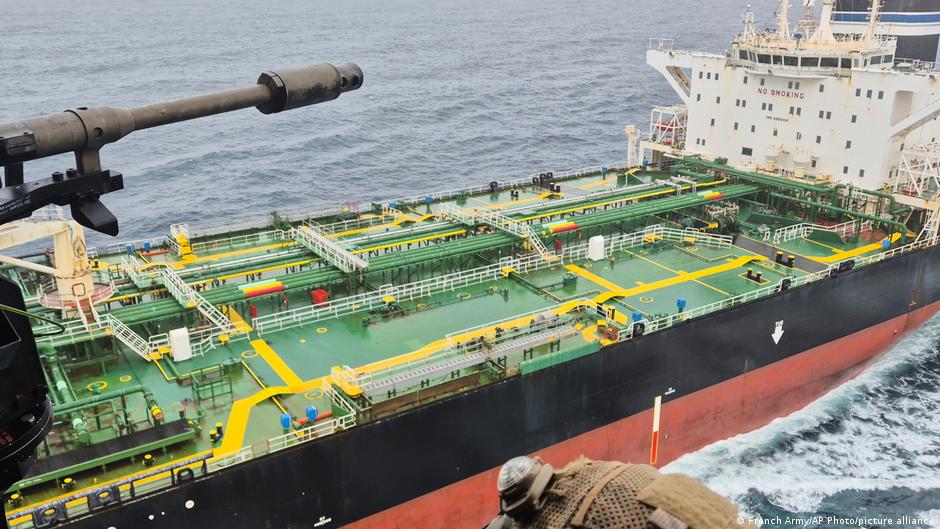
Two of three tankers carrying Russian fuel to the United States have changed course, threatening an agreement between US President Donald Trump and Russian President Vladimir Putin to purchase and import Russian diesel, the Financial Times reported on Wednesday, November 4.
The apparent disruption has implications extending beyond physical energy markets. With US diesel prices already elevated, a failure to deliver additional supplies could sustain inflation across freight, retail and data-intensive industries. That would increase payment volumes in nominal terms while squeezing household budgets, merchant margins and borrowers’ ability to service debt—an uncomfortable combination for digital banks, payment companies and online lenders.
Sanctions Risks Complicate the Tanker Trade
The Russian tanker Talisman and the Hong Kong-owned Leruo, which sails under the flag of Sierra Leone, no longer list the US Atlantic coast as their destination. Leruo changed course toward Brazil on November 2, while Talisman entered the Mediterranean and is now off Algeria, transmitting a “for orders” signal.
In shipping markets, that signal indicates that a cargo does not yet have a confirmed buyer or destination port. Both vessels are subject to European Union sanctions, a factor that could complicate transactions involving banks, insurers, brokers and payment intermediaries even when a shipment is intended for the United States.
The compliance challenge illustrates how sanctions can propagate through digital financial infrastructure. Cross-border commodity deals depend on screening systems, bank transfers, trade-finance documentation and insurance approvals. Any uncertainty about the counterparties, vessels or cargoes can prompt financial institutions to delay or reject transactions rather than accept regulatory exposure.
A third tanker, Agioi Fanendes, owned by Greek shipping company Eastern Mediterranean Maritime, is continuing toward the United States but is also transmitting “for orders.” It is due to reach New York this weekend.
“However, given the evident caution among US buyers because of regulatory, legal and sanctions risks, it would not be surprising if this tanker also changed course and declined to call at the United States,” Kpler analyst Matt Smith said.
Meanwhile, the sanctioned tanker Beast, owned by companies in the Seychelles, loaded at the Russian port of Primorsk on October 27 and continues to head toward the US Atlantic coast.
Energy Inflation Reaches the Digital Economy
Diesel futures have risen by more than 60% since the start of the war in Iran. At the beginning of November 2026, the average price of diesel at US filling stations was approximately $6.30 a gallon, equivalent to $1.66 a liter.
Persistently high fuel costs can reach fintech balance sheets through several channels. Logistics operators and small merchants may require more working capital, increasing demand for digital credit just as repayment risks rise. Consumers facing larger transport and delivery costs may shift spending toward credit products or reduce discretionary purchases, affecting transaction growth at payment processors and digital banks.
E-commerce businesses and technology companies are also exposed because higher freight expenses can erode margins and weaken demand for goods delivered through online platforms. For technology stocks, the central concern is whether energy-driven inflation keeps broader price pressures elevated and influences expectations for interest rates. Higher financing costs typically weigh most heavily on companies whose valuations depend on future growth.
Cybersecurity and transaction-monitoring providers could face a different effect. The movement of sanctioned cargoes and the uncertainty surrounding their buyers increase the importance of vessel screening, beneficial-ownership checks and real-time sanctions controls. Banks and payment firms facilitating commodity trade must identify not only direct counterparties but also potentially exposed intermediaries across several jurisdictions.
Political Deal Fails to Deliver Immediate Relief
Several weeks before the US congressional midterm elections, Trump reached the diesel-purchase agreement with Putin in an effort to lower prices and strengthen political support. The initiative did not help the Republican Party at the ballot box. In the November 3 elections, Democrats won majorities in both the Senate and the House of Representatives.
The changed political balance adds another layer of uncertainty for markets assessing the future of the import arrangement. Even if individual cargoes continue toward the United States, buyers must weigh the commercial benefits of expensive diesel against regulatory, legislative and sanctions-related risks.
For the digital economy, the tanker movements are therefore more than a shipping story. They demonstrate how geopolitical decisions can quickly affect payment screening, bank compliance, credit quality, consumer spending and technology valuations. Until buyers and destinations are confirmed, the vessels’ status will remain a visible test of whether financial infrastructure can support the proposed trade without exposing participants to unacceptable legal risk.